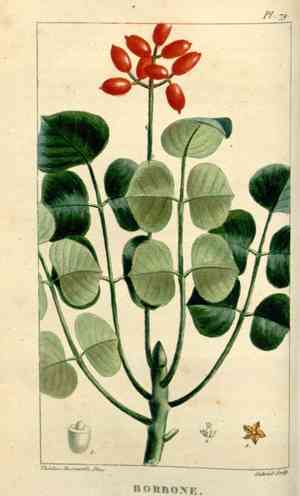
Browne's poisonwood (Metopium brownei)
Also known as: Poisonwood, Coral Sumac
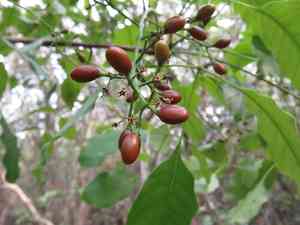
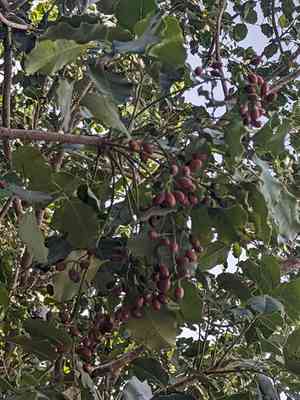
Browne's poisonwood, or Metopium brownei, is a tropical deciduous tree notable for its sturdy trunk and wide, dense canopy. This tree features compound leaves that resemble feathers, which turn vibrant red before they fall. It blooms with small, greenish-white flowers and yields yellowish, rounded fruits. The bark of this tree is known for secreting a sap that can cause significant skin irritation. Typically found in dry forest environments, Browne's poisonwood is well-adapted to endure heat and drought conditions.
In This Article
Attributes of Browne's poisonwood
Lifespan
Perennial
Plant Type
Tree
Plant Height
10–15 meters
Spread
6–9 meters
Leaf Color
Dark Green
Flower Size
0.5–1 cm
Flower Color
Yellowish-green
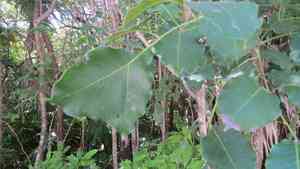
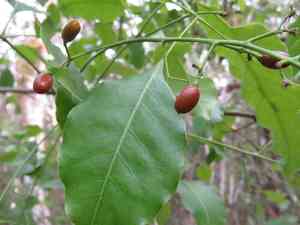
Images of Browne's poisonwood
Quickly Identify Browne's poisonwood
1
Identification of Metopium brownei can be done by observing its bark, which is reddish and exudes a black sap when cut. Its compound leaves are glossy and dark green, usually with 5 to 7 leaflets.
Scientific Classification of Browne's poisonwood
Phylum
Vascular plants
Class
Dicotyledons
Order
Sapindales
Family
Cashew
Genus
Poisonwoods
Species
Browne's poisonwood
Planting and Growing of Browne's poisonwood
Care Difficulty
Hard
Watering Schedule
Every 2 days
Sunlight Requirements
Partial sun
Sunshine Duration
4-8 hours
Ideal Temperature
75-85℉
Soil Type
Potting Mix, Peat Mix
Soil pH
6.5-7.5
Fertilizer Type
Balanced
Pruning Season
Spring, Summer
Pruning Area
Branches, Leaves
Pruning Frequency
2 times a year
Repotting Season
Spring
Pot Type
Plastic, Ceramic
 How to Water Browne's poisonwood?
Water the Metopium brownei with approximately 500 milliliters of water each time. The goal is to moisten the soil without making it soggy. Ensure that water drains well to prevent root rot.
What are the symptoms of an underwatered Browne's poisonwood?
›
What should I do if my Browne's poisonwood is not getting enough water?
›
What are the symptoms of an overwatered Browne's poisonwood?
›
How to save an overwatered Browne's poisonwood?
›
 What Are the Sunlight Requirements for Browne's poisonwood?
Metopium brownei thrives with partial to full sun exposure. Ideal light promotes lush growth, strong photosynthesis, vibrant leaf color, and increased resistance to pests and diseases.
What is the best lighting condition?
›
Solution for achieving ideal lighting?
›
What benefits come from ideal lighting?
›
 What Is the Ideal Temperature Range for Browne's poisonwood?
The ideal temperature range for Metopium brownei is between 75°F and 85°F. This range is optimal because it supports robust growth and healthy foliage. Ensuring a stable environment within this temperature bracket can enhance the plant's natural growth processes, as it mimics the warm and moderate conditions of its native habitat.
 What Soil is Best for Browne's poisonwood?
Metopium brownei thrives in well-drained soil, allowing roots to breathe and preventing waterlogging. This reduces the risk of root rot and supports healthy growth. This plant requires soil of moderate fertility. Incorporating organic matter can improve fertility without overwhelming the plant, promoting steady and sustainable growth. Neutral pH levels help Metopium brownei absorb nutrients efficiently from the soil. This balance fosters optimal growth and maintains the plant's vibrant foliage.
 How to Fertilize Browne's poisonwood?
When fertilizing Metopium brownei, it is essential to provide a balanced amount of nutrients. Generally, 20 grams of liquid fertilizer diluted in a liter of water is ideal for bi-weekly applications. For slow-release fertilizer, use roughly 100 grams distributed evenly around the base of the plant yearly.
 How to Prune Browne's poisonwood?
Before pruning, spend time examining the tree to identify which branches need attention. Look for broken, diseased, or dead branches that can be removed to enhance the tree's overall health and appearance. Use sharp, sterilized pruning shears to make clean cuts at a 45-degree angle, just above a leaf bud or main branch. This angle helps rainwater run off, preventing moisture buildup that can lead to rot or disease. Regularly remove any suckers, or small shoots, that appear at the base of the tree or from the roots. These can divert nutrients away from the main tree, hindering growth and overall vitality.
More About Pruning Techniques→
 How to Propagate Browne's poisonwood plant?
1
Collect seeds from mature Metopium brownei plants, ensuring they are free of pests and diseases. Clean the seeds thoroughly and let them dry before planting.
2
Choose healthy and semi-hardwood branches for cuttings, cutting them at a 45-degree angle, ideally with a length of 10-15 centimeters during early morning for better moisture retention.
3
Prepare a well-draining rooting medium using a mixture of sand and peat moss. Plant seeds or insert cuttings into the medium, ensuring they are stable and standing upright.
 How to Repot Browne's poisonwood plant?
1
Metopium brownei requires repotting when you observe roots coming out of the drainage holes, or the plant's growth becomes stunted. These signals mean the roots need more space or fresh soil nutrients to thrive.
2
Select a pot that is slightly larger than the current one, with sufficient drainage holes to ensure excess water can escape. A larger pot with good drainage promotes healthy root aeration and prevents root rot.
3
Opt for a well-draining sandy loam soil mix, which supports Metopium brownei's need for adequate moisture retention while preventing waterlogging. This soil type mimics its natural habitat, promoting robust growth.
Toxicity
Contact, Ingestion
WARNING
The judgment on toxicity and danger is for reference only. We DO NOT GUARANTEE any accuracy of such judgment. Therefore, you SHALL NOT rely on such judgment. It is IMPORTANT TO SEEK PROFESSIONAL ADVICE in advance when necessary.



