How to Propagate Wild mint?
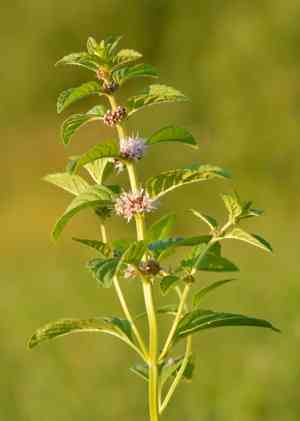
During springtime, wild mint can be reproduced by planting seeds. This method of propagation poses a moderate challenge. Indicators of success are the emergence of fresh leaves and the formation of roots. Choose the seeding spot meticulously to guarantee ideal light and hydration levels.
Optimal Period for Wild Mint Propagation
Propagation Method
Seeding
Propagation Season
Spring
Essential Tools for Wild Mint Propagation
Seed trays or flats
These offer a regulated space for planting seeds. They assist in maintaining proper seed spacing for wild mint, ensuring good air circulation and preventing excessive crowding, which could lead to fungal issues.
Peat pots or biodegradable containers
Peat pots are advantageous for wild mint as they can be directly planted into the ground, minimizing root disturbance during transplantation. This is beneficial for wild mint as it lessens transplant shock.
Sterile seed starting mix
This substrate is pathogen-free and provides the ideal texture for wild mint seed germination. It promotes robust root development and prevents diseases in the initial propagation stages.
Fine mist spray bottle or watering can with a gentle shower head
These implements are crucial for watering wild mint seeds without dislodging them. Gentle misting or a soft water flow is vital for keeping the soil moist without causing compaction or washing away seeds.
Plastic dome or clear cover
A cover helps maintain high moisture levels and consistent temperatures around wild mint seedlings, encouraging strong and even germination.
Grow lights or a bright location
Wild mint needs sufficient light for germination and growth. Grow lights or placing seed trays in a naturally well-lit spot ensures seedlings get enough light, preventing etiolation (spindly, weak growth).
Heat mat (optional)
For wild mint, consistent warmth can accelerate germination. A heat mat beneath seed trays provides steady bottom heat, especially useful for propagation in cooler environments.
Labels and markers
These are important for tracking sowing dates and wild mint varieties, which is essential for monitoring growth progress and planning subsequent care.
How to Propagate Wild Mint
Propagation Type
Sowing
Difficulty Level
Easy
Caring for Your Newly Propagated Wild Mint
How to Care for Your Newly Propagated Wild Mint?
Wild mint is a resilient, fast-spreading plant that requires minimal upkeep. After propagation, ensure it receives regular watering, especially during dry spells. Fertilize sparingly as wild mint typically thrives without extra nutrients. Prune the plants to encourage bushy growth and to prevent them from spreading excessively. Monitor for pests like aphids and treat them promptly if necessary. Harvest leaves before wild mint flowers for optimal flavor.
Common Mistakes to Avoid When Propagating Wild Mint
Overwatering
Excessive watering of wild mint's soil can lead to root rot, as it prefers moist but well-drained conditions. Overwatering creates an environment favorable for fungal and bacterial growth, compromising the health of cuttings or runners.
Deep planting
Placing wild mint's cuttings or runners too deeply in the soil can hinder their ability to produce new growth, as wild mint needs access to adequate light and air at the soil surface to flourish.
Neglecting to remove flowering tops
Allowing wild mint to flower during propagation can divert energy from root and foliage development, reducing the success rate and vigor of new plants.
Ignoring spacing
Planting wild mint too close together restricts airflow and sunlight, increasing the risk of disease and pests. Proper spacing is vital for the healthy growth of new plants.
Using infected material
Propagating wild mint with cuttings or runners showing signs of disease or pest infestation can spread problems to new plants, impeding growth and establishment.
Tips For Propagating Wild Mint
Stem cutting selection
Choosing healthy, non-flowering stem cuttings with at least two sets of leaves can improve root development and accelerate new plant establishment.
Soil preparation
Preparing a well-draining potting mix ensures the delicate roots of wild mint have the right balance of moisture and air, promoting healthier root growth.
Regular trimming
Pruning wild mint encourages bushier growth and prevents energy waste on non-essential flowering, which is beneficial during the propagation phase for producing more material for future propagations.
Adequate humidity
Maintaining a humid environment for the cuttings without overwatering encourages root formation while preventing desiccation.
Pest and disease monitoring
Regularly inspecting newly propagated wild mint for pests and diseases allows for timely intervention, ensuring that new growth is not compromised and can flourish.



