How to Propagate Stream bogmoss?
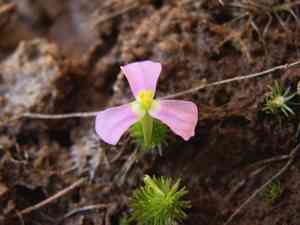
Stream bogmoss, a fragile water plant, flourishes when reproduced via stem sections. For effective cultivation, select robust stems and execute precise incisions with disinfected implements to prevent pathogen spread. Verify that every cutting possesses a minimum of one growth point for ideal root formation. Position these segments in water or a damp medium, sustaining elevated humidity and consistent warmth to stimulate development. This technique facilitates rapid proliferation while safeguarding the plant's intricate form.
When Is the Best Time to Propagate Stream Bogmoss?
Propagation Method
Cuttings
Propagation Period
Spring,Summer
What Tools Are Needed for Stream Bogmoss Propagation?
Sharp scissors or pruning shears
These are vital for making clean cuts from the parent stream bogmoss plant, ensuring the severed stems have a smooth edge, which aids in better healing and root formation. Sharpness prevents crushing delicate tissues, which could invite disease.
Rooting hormone
This promotes root development in stream bogmoss stem cuttings. Applying a rooting hormone to the cut end of the stem can significantly boost the chances of successful root growth by providing necessary growth stimulants.
Sterile potting mix
A sterile potting mix is essential for planting stream bogmoss stem cuttings as it lacks pathogens that could harm emerging roots. It offers an ideal environment for root growth, including good drainage and aeration, crucial for root health.
Propagation trays
These trays are utilized to plant multiple stream bogmoss cuttings in a controlled setting. They help maintain consistent moisture levels and temperature, both critical factors for successful rooting of cuttings.
Plastic covers or humidity domes
Maintaining high humidity around stream bogmoss cuttings is crucial for their survival, as it prevents excessive water loss through transpiration. A plastic cover or humidity dome over the propagation trays achieves this, creating a mini-greenhouse effect.
How to Propagate Stream Bogmoss?
Propagation Difficulty
Easy
How to Care for Your Newly Propagated Stream Bogmoss?
How to Care for Your Newly Propagated Stream Bogmoss?
Once roots are established, move the new stream bogmoss plant to its permanent growing spot, ideally an aquatic or semi-aquatic environment with good water flow and ample indirect light. Maintain consistent moisture and consider adding a general aquatic plant fertilizer to support healthy development. Regular checks for pests and diseases will help ensure the vitality of stream bogmoss.
Common Mistakes to Avoid When Propagating Stream Bogmoss
Overcrowding
When propagating stream bogmoss, gardeners might place too many cuttings too close. This can impede proper growth due to limited light and air circulation, potentially leading to rot or fungal issues.
Cutting too short
Gardeners sometimes use very short stream bogmoss cuttings, thinking smaller pieces are easier to manage. However, shorter cuttings may lack sufficient leaves to sustain initial growth and may struggle to establish roots.
Ignoring water quality
Using untreated or chlorinated water can harm the delicate roots of stream bogmoss. Such water can cause root burn or hinder growth.
Neglecting initial floating phase
Directly planting stream bogmoss cuttings into the substrate without an initial floating period might result in poor root development. Floating helps roots adjust and grow optimally before anchoring.
Tips For Propagating Stream Bogmoss
Proper cutting length
Use stream bogmoss cuttings that are approximately 3-5 inches long. This length typically provides enough stem and leaf nodes to encourage effective rooting and growth.
Optimal spacing
Space stream bogmoss cuttings a few inches apart to ensure they have adequate room for root expansion and access to sufficient nutrients and light.
Use of conditioned water
For water propagation, always use dechlorinated or aged water for stream bogmoss. This prevents chemical damage to new roots and promotes healthier, faster growth.
Monitoring light conditions
Position stream bogmoss in bright, indirect light during the propagation phase. This light level encourages vigorous growth without exposing young plants to the stress of direct sunlight.



