How to Propagate Garlic vine?
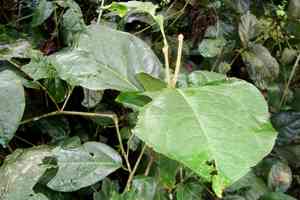
Originating from the tropical zones of the American landmass, garlic vine is a lignified climber recognized for its fragile violet blossoms and unique scent akin to garlic. For multiplying garlic vine, stem sections are proven to be the most efficient technique. Choose a robust, semi-lignified stem, making sure it possesses multiple leaf junctions. Cut beneath a junction, ensuring the segment measures approximately 4-6 inches in length, and strip foliage from the bottom half. Submerge the severed tip in rooting compound and position it in a potting blend that drains effectively. Supply steady hydration and warmth, then await root development before relocating to a more enduring spot.
What Is the Best Time To Propagate Garlic Vine?
Propagation Type
Cutting
Propagation Season
Spring,Summer
What Tools Are Used in Garlic Vine Propagation?
Sharp Pruning Shears
Crucial for making clean cuts from garlic vine, sharp pruning shears help ensure that the cuttings are not crushed or torn, which can significantly improve the chances of successful rooting. Precise cuts help prevent disease entry and stress on the cuttings.
Rooting Hormone
This chemical compound promotes root development in garlic vine cuttings. Applying a rooting hormone to the freshly cut base of the stem aids in triggering root growth at a faster rate and with higher success, providing essential support during the initial vulnerable phase of propagation.
Sterile Potting Mix
A clean, well-draining potting mix provides the ideal environment for the roots of garlic vine to grow. Sterility helps prevent the introduction of pathogens that could harm the cuttings before they establish. The structure of the mix supports proper air and moisture balance around the new roots.
Propagation Tray with Dome
A propagation tray coupled with a humidity dome creates a controlled microenvironment, which is crucial for the rooting of garlic vine cuttings. The dome helps maintain consistent humidity and temperature, both critical factors in enhancing root formation and early growth stability.
Heat Mat
By providing a gentle heat source underneath the propagation tray, a heat mat helps maintain an optimal rooting temperature. This is particularly beneficial for garlic vine, promoting faster root development and overall growth rate during the propagation phase.
How to Propagate Garlic Vine?
Propagation Type
Moderately Difficult
How to Care for Your Newly Propagated Garlic Vine?
How to Care for Your Newly Propagated Garlic Vine?
After rooting, gradually expose the young garlic vine plants to their growing environment. Provide them with bright, indirect light and keep the soil moist but not wet. Fertilize with a balanced, slow-release fertilizer according to the product recommendations. Prune garlic vine to encourage branching and maintain the desired shape. Protect from heavy frosts and ensure the plant has adequate support for climbing.
Common Mistakes to Avoid When Propagating Garlic Vine
Inadequate Cutting Selection
Using unhealthy or immature stem cuttings from garlic vine can lead to poor or no root development. Selecting cuttings with signs of disease or weakness will likely result in propagation failure.
Overwatering Cuttings
Maintaining overly moist conditions when rooting garlic vine's cuttings is a common mistake, as it can induce rot, fungal growth, and deteriorate the cutting before it has the chance to root.
Neglecting Humidity
Ignoring the need for a humid environment for garlic vine's cuttings can lead to desiccation and poor root formation since the plant cuttings require a certain level of humidity to encourage rooting.
Poor Soil Preparation
Using soil that is too dense or lacks proper drainage can lead to waterlogging and root rot in garlic vine. This can severely hinder the plant's chances of successful propagation.
Excessive Fertilization
Applying too much fertilizer to garlic vine's cuttings can cause chemical burns to the roots and impede growth. Cuttings are sensitive and require little to no fertilization until they have established roots.
Tips For Propagating Garlic Vine
Healthy Cutting Selection
Choose mature, healthy, and vigorous stem cuttings from garlic vine to ensure strong root development. Cuttings should ideally be semi-woody and free from any signs of pests or diseases.
Appropriate Watering
Water garlic vine's cuttings judiciously to keep the soil consistently moist but not waterlogged, allowing the cutting to develop roots without the risk of rotting.
Maintain Humidity
Enclose garlic vine's cuttings in a plastic bag or use a propagator to retain humidity and moisture around the cutting, promoting better root formation and preventing the cutting from drying out.
Soil and Drainage
Prepare a potting mix with good aeration and drainage for garlic vine's cuttings. A mix of peat, perlite, and vermiculite can provide the necessary conditions for successful rooting.
Gentle Fertilization
Wait until garlic vine's cuttings have established roots before applying a diluted, balanced fertilizer to support healthy growth without damaging the tender new roots.



