How to Propagate Loofah?
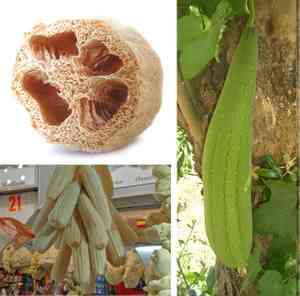
Originating from tropical and subtropical zones, loofah produces fibrous fruit frequently utilized as sponges. Effective propagation mainly entails planting seeds, which ideally should be new to improve sprouting. Before cultivation, steeping seeds overnight can soften their tough outer layers, encouraging quicker sprouting. Plant seeds in soil that drains well and ensure sufficient warmth and illumination. Steady hydration is vital, but refrain from excessive watering as it could cause root problems. With diligent attention, seeds will grow into young plants prepared for relocation, ultimately developing into productive plants.
When Is the Best Time to Propagate Loofah?
Propagation Type
Seeding
Propagation Season
Spring
What Tools Are Used for Loofah Propagation?
Seed trays
Seed trays are vital for initiating loofah's seeds in a regulated setting. These trays enable uniform spacing, ensuring each seed has ample room to sprout without competing with others. Seed trays also facilitate easy monitoring and care during the initial growth phases, which are crucial for developing robust seedlings.
Potting mix
A well-draining, nutrient-rich potting medium is essential for loofah's seed germination. This mix offers the necessary support and nutrients while ensuring good drainage and aeration, which are critical for preventing root rot and other moisture-related ailments. The correct potting mix also promotes stronger root development, vital for the subsequent transplanting process.
Heat mat
A heat mat is particularly advantageous for loofah during propagation, as it helps maintain a steady soil temperature, a key factor in boosting germination rates. Loofah seeds require warmth to break dormancy, making the heat mat an invaluable tool in colder climates or during the cooler months.
Watering can with a fine rose
A watering can equipped with a fine rose attachment ensures gentle irrigation that won't disturb or wash away the loofah seeds. Proper watering is crucial for seed germination, and using a fine rose helps distribute water evenly, providing moisture without causing soil erosion or seed displacement.
Grow lights
When natural light is insufficient, grow lights can supply the necessary light spectrum that loofah seedlings require for photosynthesis and growth. These lights help maintain a consistent light source, crucial for keeping seedlings strong and preventing etiolation.
How to Propagate Loofah?
Propagation Type
Simple
How to Care for Your Newly Propagated Loofah?
How to Care for Your Newly Propagated Loofah?
Once loofah seeds sprout and develop into seedlings, gradually introduce them to outdoor conditions if they were started indoors. Transplant them to a sunny garden spot with a trellis or support for climbing, as loofah is a vining plant. Water loofah plants deeply but infrequently, allowing the soil to dry out slightly between waterings. Fertilize with a balanced, all-purpose feed monthly during the growing season. Monitor for pests and diseases and address them as needed.
Common Mistakes to Avoid When Propagating Loofah
Overwatering
Excessive moisture can lead to decay, especially at the root level, which can be detrimental to loofah's health and reduce the chances of successful propagation.
Underestimating space needs
Since loofah can grow quite large, insufficient spacing between plants can result in competition for nutrients and sunlight, ultimately reducing vigor and productivity.
Ignoring plant depth
Planting loofah seeds too deep or cuttings too shallow can hinder proper germination or root formation, respectively, negatively affecting propagation success.
Neglecting to remove the flesh from seeds
Failure to adequately clean seeds extracted from loofah's fruit can lead to fungal diseases due to decaying organic material, which may prevent germination.
Using unripe seeds
Harvesting seeds from immature loofah fruits can result in non-viable seeds that do not germinate effectively, wasting propagation efforts.
Tips For Propagating Loofah
Proper seed preparation
For loofah, thoroughly clean and dry seeds from mature fruits to ensure high chances of germination and to minimize disease risk.
Optimal planting depth
Sow loofah seeds at an appropriate depth, generally about half an inch to one inch, to provide the ideal conditions for germination without causing potential issues with growth.
Adequate spacing
When planting loofah, ensure adequate spacing to accommodate its mature size, which will promote healthy growth, airflow, and access to sunlight.
Consistent but moderate watering
Provide loofah with consistent water to maintain a moist but not waterlogged environment, which is essential for seed germination and cutting establishment.
Planting healthy cuttings
If propagating loofah by cuttings, use healthy and disease-free plant material to increase the success rate of rooting and subsequent growth.



