How to Propagate Trailing ice plant?
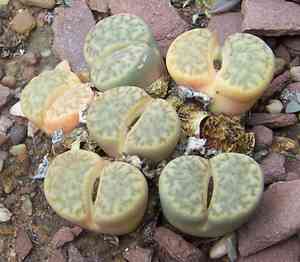
Trailing ice plant is generally propagated by planting seeds in Spring, which is the ideal period. This species exhibits a relatively straightforward propagation method, with successful outcomes indicated by the sprouting of seedlings and robust development. Proper drainage and ample sunlight are crucial for successful propagation.
Optimal Time for Trailing Ice Plant Propagation
Propagation Method
Seeding
Propagation Period
Spring
Tools for Trailing Ice Plant Propagation
Seedling trays or flats
These shallow containers with drainage holes are perfect for starting seeds. They offer ample room for seedlings to grow without crowding, ensuring each trailing ice plant seed receives adequate nutrients and water. The trays simplify managing environmental factors like moisture and temperature, which are vital for seed germination.
Sterilized potting mix
A well-draining and sterilized potting mix reduces the chance of soil-borne diseases that can harm delicate trailing ice plant seedlings. It also provides essential support and nutrients for seeds to sprout and young roots to thrive.
Misting bottle or watering can with a fine rose
Gentle watering is necessary to keep the soil moist for trailing ice plant seeds without dislodging them. A misting bottle or a watering can with a fine rose distributes water evenly, preventing soil erosion and providing optimal moisture for seed germination.
Heat mat (optional)
For trailing ice plant, which can benefit from warmth from below, a heat mat promotes consistent germination by maintaining a steady soil temperature. This is especially helpful when propagating trailing ice plant in cooler climates or during seasons with lower ambient temperatures.
Transparent dome or plastic wrap
Creating a mini-greenhouse effect over seedling trays helps maintain high humidity and stable temperatures, both beneficial for trailing ice plant germination. This cover also keeps pests away while allowing light to reach the seeds.
Grow lights (if indoors)
If propagating trailing ice plant indoors or in low-light conditions, grow lights provide the necessary light spectrum for seedlings to photosynthesize and grow strong. They are crucial for preventing seedlings from becoming leggy and weak due to insufficient light.
Labels and markers
Labels are important for tracking different varieties or sowing dates of trailing ice plant. Accurate labeling ensures proper care and monitoring, as various conditions may be needed during different stages of seedling development.
How to Propagate Trailing Ice Plant
Propagation Method
Seeding
Difficulty Level
Easy
Caring for Your Newly Propagated Trailing Ice Plant
How to Care for Your Newly Propagated Trailing Ice Plant?
After propagation, ensure the young trailing ice plant is placed in a bright area with indirect sunlight. Water sparingly, allowing the soil to dry out before the next watering to prevent root rot. As it matures, provide more direct light to encourage robust, healthy growth. Fertilize during the growing season with a balanced, water-soluble fertilizer diluted to half strength. Avoid overcrowding, as trailing ice plant thrives with good air circulation around its foliage. Protect from cold temperatures and frost, as trailing ice plant is sensitive to extreme cold.
Common Mistakes to Avoid When Propagating Trailing Ice Plant
Overwatering
Watering trailing ice plant too often can lead to root rot, as their succulent nature means they prefer drier conditions. Excessively wet soil can suffocate roots, making them vulnerable to fungal infections and decay.
Using non-sterile tools
When propagating trailing ice plant, using unsterilized tools can introduce pathogens to the plant cuts, which can hinder successful rooting or lead to disease.
Ignoring light requirements
Placing trailing ice plant cuttings in an environment with insufficient light can impede their growth. They need bright, indirect light to develop strong roots and healthy growth, but direct sunlight can sometimes scorch tender cuttings.
Planting too deeply
Burying trailing ice plant cuttings too deep can cause the stem to rot before it can root. These plants should be positioned so that the base is just covered by the soil.
Incorrect soil mix
Using a heavy soil mix that drains poorly can lead to waterlogged conditions that trailing ice plant cannot tolerate. It's crucial to use a well-draining mix that mimics their native, arid habitat.
Tips For Propagating Trailing Ice Plant
Adequate soil preparation
Prepare a well-draining soil mix using potting soil combined with sand or perlite. This creates a mixture similar to trailing ice plant's natural environment, promoting better root development.
Proper cutting technique
Make a clean, angled cut on a healthy part of the trailing ice plant with a sterilized knife or scissors to increase the rooting surface area and minimize infection risk.
Moderate watering
Provide enough water to keep the soil of trailing ice plant slightly moist but not waterlogged. Allow the topsoil to dry out between waterings to prevent rot.
Humidity control
While rooting, maintaining balanced humidity around trailing ice plant cuttings can encourage faster rooting without risking fungal issues. This can be achieved by occasional misting or using a clear covering while ensuring ventilation.
Patience during rooting
Allow trailing ice plant cuttings ample time to develop roots. Rushing the transplanting process or frequently disturbing the cuttings can damage delicate new roots and hinder growth.



