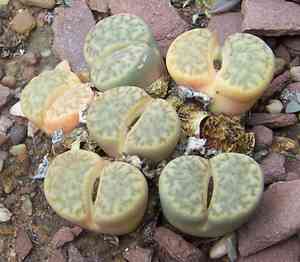
Trailing ice plant (Lampranthus spectabilis)
Also known as: Trailing Ice Plant, Lampranthus
Gazania (Gazania rigens), native to South Africa, is a vibrant ornamental species known for attracting butterflies and resisting deer. This hardy plant flourishes in full sunlight and well-drained soils, making it an excellent choice for gardens. Gazanias are easy to cultivate and are often featured in sunny borders and rock gardens.
In This Article
Attributes of Trailing ice plant
Lifespan
Perennial
Plant Type
Succulent, Herb
Plant Height
25 cm
Spread
30 cm to 60 cm
Leaf Color
Green Gray
Flower Size
5 cm
Flower Color
Pink Purple Red
Images of Trailing ice plant
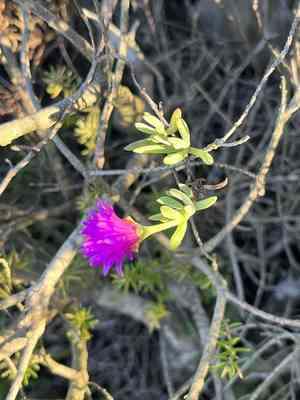
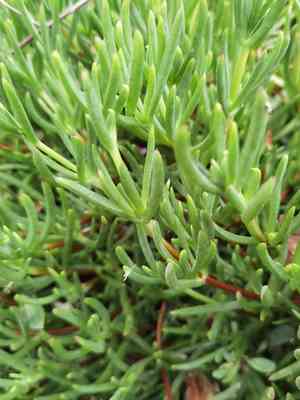
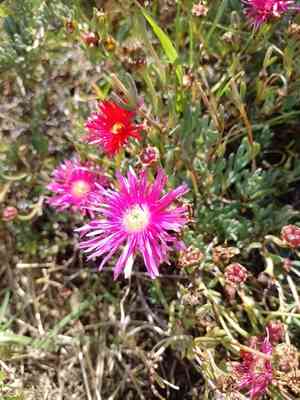
Quickly Identify Trailing ice plant
1
It can be identified by its semi-woody, succulent stems and bright, daisy-like flowers that bloom in shades of pink, purple, orange, or red. The leaves are small, elongated, and fleshy.
Scientific Classification of Trailing ice plant
Phylum
Vascular plants
Class
Dicotyledons
Order
Pinks, cacti, and allies
Family
Fig-marigold
Genus
Dewplants
Species
Trailing ice plant
Planting and Growing of Trailing ice plant
Care Difficulty
Easy
Watering Schedule
Every 4 days
Sunlight Requirements
Full sun
Sunshine Duration
6-10 hours
Ideal Temperature
60-75℉
Soil Type
Potting Mix, Peat Mix
Soil pH
6.5-7.5
Fertilizer Type
Balanced
Pruning Season
Spring, Summer
Pruning Area
Branches, Leaves
Pruning Frequency
2 times a year
Repotting Season
Spring
Pot Type
Plastic, Ceramic
 How to Water Trailing ice plant?
For Lampranthus spectabilis, ensure the soil is moderately moist. Water around 250 ml until water drains from the bottom, ensuring thorough saturation without waterlogging.
More About Watering Techniques→
What are the symptoms of an underwatered Trailing ice plant?
›
What should I do if my Trailing ice plant is not getting enough water?
›
What are the symptoms of an overwatered Trailing ice plant?
›
How to save an overwatered Trailing ice plant?
›
 What Are the Sunlight Requirements for Trailing ice plant?
Lampranthus spectabilis thrives best with full sun exposure, which significantly enhances flowering and foliage lushness, providing it with necessary energy for optimal photosynthesis and growth.
More About Sunlight Requirements Techniques→
What is the best location for Lampranthus spectabilis?
›
How can I ensure consistent light exposure?
›
What happens when Lampranthus spectabilis receives ideal light?
›
 What Is the Ideal Temperature Range for Trailing ice plant?
The ideal temperature range for Lampranthus spectabilis is between 60°F and 75°F. This succulent thrives in mildly warm conditions, providing it with sufficient warmth to enhance metabolic processes such as photosynthesis, but not so warm as to cause heat stress. Maintaining temperatures within this range ensures optimal growth and flowering.
 What Soil is Best for Trailing ice plant?
Lampranthus spectabilis thrives in well-draining soil as it prevents root rot by allowing excess water to escape. This feature is crucial for maintaining healthy root systems and promoting vigorous growth. While not overly fussy, this plant does benefit from balanced nutrients in its soil. Regularly ensuring that the soil has a balanced mixture helps the plant to flourish and show off its vibrant blooms. A pH range of 6.5 to 7.5 is ideal for Lampranthus spectabilis as it allows excellent absorption of essential nutrients, leading to robust growth and spectacular flowering.
More About Soil→
 How to Fertilize Trailing ice plant?
For Lampranthus spectabilis, it's crucial to apply fertilizers sparingly due to their natural adaptation to nutrient-poor environments. Typically, for liquid fertilizers, consider using a diluted solution at one-fourth the recommended strength to prevent root burn and stress.
 How to Prune Trailing ice plant?
Use sharp, sterilized pruning shears to cut back any dead or damaged stems. Trim just above a leaf node to encourage bushier growth. If your Lampranthus spectabilis becomes too leggy, prune back heavily by up to one-third to encourage denser foliage.
 How to Propagate Trailing ice plant plant?
1
Harvest seeds from mature Lampranthus spectabilis plants when the seed pods are dry and brown. Store them in a cool, dry place until ready to plant.
2
Select healthy stems from the existing plant. Cut 4-6 inch segments, removing leaves from the lower part. Allow the cut ends to dry and callous over before planting.
3
Gently remove the plant from its pot and separate the roots by hand or with a clean knife. Replant the divisions in individual pots with well-draining soil.
 How to Repot Trailing ice plant plant?
1
Lampranthus spectabilis shows signs for repotting when its growth becomes stunted or roots appear through the pot's drainage holes. Another indicator is when the plant needs frequent watering, suggesting it has outgrown its current pot.
2
Opt for a pot that is one size larger than the current one, with ample drainage holes. A slightly larger pot prevents waterlogging, which is crucial for succulents. This helps in aeration and ensures healthy root systems.
3
Choose a well-draining cactus mix that maintains a balance of moisture retention and aeration. Such soil prevents root rot by allowing excess water to drain quickly, which is essential for succulent health.



