How to Propagate Bottle gourd?
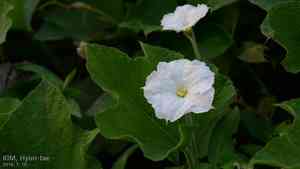
Lagenaria siceraria is most effectively propagated by planting seeds in the springtime. This procedure is quite straightforward, and successful cultivation is indicated by robust young plants. Sufficient warmth and humidity are crucial for ideal germination.
When Is the Best Time to Propagate Bottle Gourd?
Propagation Method
Seeding
Propagation Period
Spring
What Equipment Is Used in Bottle Gourd Propagation?
Seedling trays
Seedling trays are vital for initiating bottle gourd seeds indoors prior to the final frost. They offer individual compartments for each seed, minimizing root disruption during transplantation. The tray's sections ensure robust root systems without intertwining with adjacent seedlings, which is especially beneficial for bottle gourd's delicate early roots.
Quality potting mix
A sterile, nutrient-rich potting blend guarantees excellent seed-to-soil contact and provides essential support for bottle gourd seed germination. It also prevents soil-borne illnesses, which is crucial for the sensitive initial growth phase of bottle gourd. A seed-starting mix typically includes vermiculite or perlite, enhancing drainage and aeration, thus aiding bottle gourd's root development.
Watering can with a fine rose
This tool is indispensable for gently irrigating bottle gourd without disturbing the soil or dislodging the seeds. The fine rose attachment disperses the water flow into a soft sprinkle, reducing the risk of soil erosion or seed movement. Even water distribution is key for successful germination and the initial growth stages of bottle gourd.
Heat mat
A heat mat delivers consistent warmth from below, which is necessary for bottle gourd seed germination, particularly in cooler climates. It maintains an ideal soil temperature, crucial for accelerating the germination process of bottle gourd seeds that thrive in warm conditions.
Grow lights
These are especially useful if propagating bottle gourd indoors where natural light may be insufficient. Grow lights provide the full spectrum of light that seedlings require for photosynthesis. Sufficient light prevents bottle gourd from becoming leggy and encourages strong, compact growth.
Misting bottle
A misting bottle allows for adding moisture to seeds and seedlings without overwatering, which is critical as bottle gourd is prone to root rot in excessively wet conditions. Frequent light misting helps elevate humidity levels around the seedlings, fostering a favorable microenvironment for bottle gourd growth.
Dibber or small stick
Bottle gourd seeds can be quite large, and a dibber or small stick is helpful for creating appropriately sized holes in the potting soil for planting. It offers precision in planting depth, ensuring standardized sowing which contributes to uniform germination rates for bottle gourd.
Labels and markers
While not directly affecting bottle gourd, labels and markers assist in tracking planting dates and identifying seedlings, especially when propagating multiple varieties of bottle gourd. Efficient record-keeping is fundamental for managing the care schedule critical to bottle gourd's development.
How to Propagate Bottle Gourd?
Propagation Method
Seeding
Difficulty Level
Easy
How to Care for Your Newly Propagated Bottle Gourd?
How to Care for Your Newly Propagated Bottle Gourd?
Following propagation, ensure bottle gourd plants receive regular watering, particularly during dry spells as they have high moisture needs. Apply mulch around the base to retain soil moisture and stabilize soil temperature. Provide sturdy trellises or support structures for the vines to ascend. Monitor for pests and diseases, taking action as needed. Prune excessive growth if necessary to enhance air circulation. Once fruits begin to develop, support them with slings to prevent them from weighing down the vines. Harvest bottle gourd when the fruit sounds hollow when tapped, indicating ripeness.
Common Mistakes to Avoid When Propagating Bottle Gourd
Overwatering
Excessive moisture can lead to root rot and fungal infections in bottle gourd seedlings, significantly reducing their survival rate.
Planting seeds too deep
Bottle gourd seeds buried too deeply may struggle to germinate as they cannot easily reach the soil surface to access sunlight.
Ignoring soil composition
Using an unsuitable soil mix can impede root growth and drainage, causing poor development or root disease in bottle gourd.
Neglect seed quality
Attempting to propagate bottle gourd with old or inferior seeds may result in low germination rates and weak seedlings.
Skimping on spacing
Planting bottle gourd too closely can lead to overcrowding, which reduces air circulation, and can increase the chances of pest and disease infestation.
Tips For Propagating Bottle Gourd
Adequate watering
Provide bottle gourd seeds with consistent moisture, but ensure proper drainage to prevent waterlogging and encourage healthy root development.
Appropriate seed depth
Plant bottle gourd seeds at the correct depthâtypically not more than half an inch to an inch deepâto improve germination rates.
Optimal soil mixture
Use a well-draining soil rich in organic matter for bottle gourd to promote vigorous growth and healthy roots.
High-quality seeds
Choose fresh, high-quality seeds for bottle gourd propagation to ensure robust germination and ultimately stronger plants.
Proper spacing
Space bottle gourd's seeds or seedlings adequately apart to ensure ample air circulation and to minimize competition for nutrients and light.



