How to Propagate Guest tree?
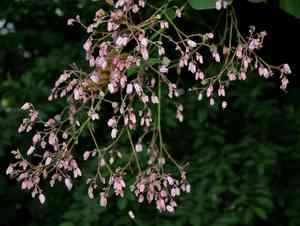
Guest tree can be successfully multiplied through the use of cuttings. For optimal root formation, it is advantageous to choose robust, developed stems from the parent plant. Divide these stems into segments, making sure each segment possesses at least one foliar node, as this enhances the probability of successful root emergence. Subsequently, the cuttings ought to be placed in a potting blend that drains efficiently and maintained in a moist atmosphere until roots are firmly established. Consistent observation of moisture content guarantees the growing medium remains favorable for root expansion without becoming oversaturated.
What Is the Best Time To Propagate Guest Tree?
Propagation Type
Cutting
Propagation Season
Autumn,Winter
What Tools Are Used in Guest Tree Propagation?
Sharp Pruning Shears
These are crucial for making clean cuts from guest tree, reducing harm to the parent plant and ensuring healthy cutting sites. Sharp shears create smooth cuts that heal faster and lower the chance of disease, vital for successful cuttings.
Rooting Hormone Powder
This promotes root development in guest tree cuttings. By dipping the cut end into the rooting hormone, you encourage quicker root formation and stronger root growth, increasing the overall success rate of propagation.
Sterile Potting Mix
Using a sterile, well-draining potting mix ensures that guest tree cuttings have the best environment for root development. It lowers the risk of soil-borne diseases, which is crucial for new cuttings that are more susceptible to infections.
Propagation Tray with Domes
These trays help maintain the necessary humidity and temperature for guest tree cuttings. Domes assist in retaining moisture and warmth, creating an ideal microenvironment that encourages faster rooting and growth.
Moisture Meter
This tool is essential for monitoring the moisture levels in the soil of guest tree cuttings. Proper moisture is critical for successful root establishment. Over-watering can cause root rot, while under-watering can dry out the cuttings.
How to Propagate Guest Tree?
Propagation Type
Moderately Difficult
How to Care for Your Newly Propagated Guest Tree?
How to Care for Your Newly Propagated Guest Tree?
Once roots are established, gradually acclimate guest tree to less humid conditions by removing the plastic cover for longer periods daily over a week. Move guest tree to a brighter area but still avoid direct sunlight initially. Water regularly to keep the soil moist but ensure proper drainage to prevent root rot. Fertilize with a balanced, slow-release fertilizer after the first month to support healthy growth. Regularly prune to maintain shape and improve air circulation, which is vital for guest treeâs overall health.
Common Mistakes to Avoid When Propagating Guest Tree
Overwatering
Excessive watering of guest tree can lead to root rot, which is harmful to the plant's health. Saturated soil can reduce oxygen availability, hindering root function and growth.
Insufficient light
Guest tree needs ample light during its growth stages. Inadequate light can result in weak, elongated stems and reduce the plant's overall vigor, affecting its ability to thrive and propagate.
Using non-sterile tools
Propagation with contaminated tools can introduce pathogens to guest tree, leading to diseases. This error can severely impede the plant's development and propagation success.
Tips For Propagating Guest Tree
Proper cutting techniques
Use sharp and sterile scissors or pruning shears to take cuttings from guest tree. This ensures healthy cut surfaces that heal quickly, minimizing the risk of disease.
Maintain humidity
To successfully propagate guest tree from cuttings, maintain a high humidity environment during the initial stages of rooting. This can be achieved by covering cuttings with a plastic cover, which helps in retaining moisture.
Adequate drainage
Ensure that the potting mix is well-draining to avoid waterlogging. This is crucial for the health of guest tree's roots and overall propagation success.



