How to Propagate Senegal mahogany?
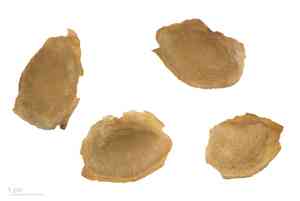
Khaya senegalensis flourishes when reproduced via cuttings. For optimal outcomes, utilize semi-hardwood sections from robust parent specimens. Verify that each cutting possesses a minimum of one leaf node, as this elevates the probability of successful root formation. Submerging the severed ends in a rooting compound prior to potting can stimulate root proliferation. Embed the cuttings in a well-aerated, nutrient-dense soil blend to supply the essential foundation and nourishment for early development.
Optimal Time for Senegal Mahogany Propagation
Propagation Method
Cutting
Propagation Period
Autumn,Winter
Tools for Senegal Mahogany Propagation
Sharp Pruning Shears
Used for making clean, precise cuts on senegal mahogany, sharp pruning shears help prevent damage and disease during the cutting process. The sharp blades minimize harm to the parent plant and improve rooting success by providing a clean surface for root generation.
Rooting Hormone
This chemical substance encourages root development from senegal mahogany cuttings. Applying rooting hormone to the fresh cut end increases the likelihood of rooting success, especially for hardwood species like senegal mahogany that can be difficult to root.
Sterilization Equipment (e.g., Alcohol, Heat source)
Sterilizing all cutting tools and pots is essential to prevent pathogen spread to senegal mahogany. Proper sterilization ensures healthy growth conditions for new cuttings, free from harmful bacteria or fungi that could hinder plant development.
Moisture-retaining Medium (e.g., Peat Moss, Vermiculite)
A suitable rooting medium that holds moisture without becoming waterlogged is vital for senegal mahogany cuttings. This medium provides the necessary support and moisture for root development. The balance of aeration and moisture retention in mediums like peat moss and vermiculite significantly impacts the success rate of propagating senegal mahogany.
Misting Bottle
Regular misting helps maintain the ideal humidity level needed for senegal mahogany cuttings to root. A misting bottle allows for gentle watering of cuttings without dislodging them, creating a stable and favorable environment for root formation.
Difficulty of Senegal Mahogany Propagation
Propagation Type
Moderately Difficult
Post-Propagation Care for Senegal Mahogany
How to Care for Your Newly Propagated Senegal Mahogany?
Once senegal mahogany cuttings have established roots, transplant them into larger containers or a permanent garden spot that receives full to partial sun. Ensure the soil is fertile and drains well. Water young senegal mahogany plants regularly, especially during dry periods, to maintain moist soil conditions without overwatering. Mulching can help retain soil moisture and suppress weeds. Monitor for pests and diseases and treat as needed to maintain the health and growth of senegal mahogany.
Common Propagation Errors for Senegal Mahogany
Inadequate watering
Overwatering or underwatering during the initial propagation stages can lead to root rot or dehydration, respectively, affecting the overall growth and survival of senegal mahogany.
Poor cutting selection
Using unsuitable or diseased parts of senegal mahogany for cuttings can significantly reduce propagation success, as these may lack the necessary vigor or health to establish new growth.
Incorrect soil mix
Using an inappropriate soil mix that drains poorly or doesn't retain enough moisture can stress senegal mahogany, impacting root development and plant strength.
Advice for Propagating Senegal Mahogany
Optimal cutting selection
Choose healthy, disease-free branches for cuttings. Ensure they are mature enough and have several nodes, as these areas are crucial for root initiation in senegal mahogany.
Soil preparation
Use a well-draining, nutrient-rich soil mix. Ensuring the mix retains moisture without becoming waterlogged is vital for effective rooting and growth of senegal mahogany.
Regular monitoring
Consistently check moisture levels and signs of growth or distress. Adequate attention during the initial stages can significantly increase propagation success for senegal mahogany.



