How to Propagate Millot kalanchoe?
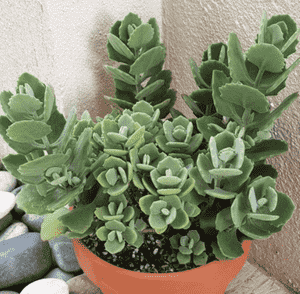
Kalanchoe Millot is most effectively multiplied in the Spring and Summer seasons by employing cuttings. This particular plant presents a moderate challenge level for propagation. Indicators of successful rooting encompass the development of new roots and the appearance of fresh foliage. For the best outcomes, confirm that the growing medium used offers excellent drainage.
Optimal Time for Millot Kalanchoe Propagation
Propagation Method
Cuttings
Propagation Period
Spring, Summer
Tools Required for Millot Kalanchoe Propagation
Sharp pruning shears or a knife
A sharp pair of pruning shears or a clean, keen knife is vital for taking millot kalanchoe cuttings. These instruments ensure a clean, precise cut, essential for the well-being of both the parent plant and the cutting. A clean cut minimizes harm and lowers infection risk, boosting rooting success.
Rooting hormone
Rooting hormone can be utilized to stimulate root development in millot kalanchoe cuttings. Applying it to the cutting's base promotes faster root formation and can enhance propagation success rates. It's particularly beneficial for semi-hardwood cuttings that might root more slowly.
Potting mix
A well-draining, sterile potting medium suitable for succulents is advised for millot kalanchoe cuttings. It should ideally be a blend of sand, perlite, and peat or coconut coir to provide the necessary aeration and drainage, preventing rot and aiding root growth.
Small pots or propagation trays
Small pots or propagation trays with drainage holes are necessary for planting millot kalanchoe cuttings. They offer individual space for each cutting to grow and establish its root system. The size and material of the containers should allow for proper moisture management during the rooting phase.
Transparent plastic bags or a humidity dome
Clear plastic bags or a humidity dome can be employed to create a mini-greenhouse effect around millot kalanchoe cuttings. This helps maintain high humidity and stable temperatures, which are advantageous for cuttings to root without drying out.
Watering can with a fine rose or a misting bottle
A watering can with a fine rose or a misting bottle allows for gentle watering or misting of millot kalanchoe cuttings. This is crucial for keeping the soil consistently moist but not saturated during the initial stages of root development. Overwatering can lead to rot, so a tool offering water control is essential.
Labels or markers
Labels or markers are important for identifying millot kalanchoe cuttings and recording the propagation date. This assists in monitoring rooting progress and ensuring the correct care routine is followed for each individual cutting.
Steps to Propagate Millot Kalanchoe
Propagation Method
Cuttings
Difficulty Level
Easy
Post-Propagation Care for Millot Kalanchoe
Post-Propagation Care for Millot Kalanchoe
Once millot kalanchoe has rooted, transition to standard care by providing bright, indirect sunlight and watering when the top inch of soil feels dry. Millot Kalanchoe should be potted in well-draining soil, and excessive watering should be avoided to prevent root rot. A balanced, water-soluble fertilizer can be applied during the growing season for optimal health and development.
Common Errors to Avoid When Propagating Millot Kalanchoe
Overwatering cuttings
Saturated soil can lead to root rot and fungal infections, which are detrimental to millot kalanchoe cuttings attempting to develop roots.
Using non-sterile tools
Propagating with contaminated equipment can introduce diseases, hindering millot kalanchoe growth or even killing the cuttings.
Cutting placement depth
Inserting cuttings too deeply into the soil can cause millot kalanchoe cuttings to rot before rooting, while too shallow placement might prevent them from staying upright and receiving adequate moisture.
Ignoring leaf health
Selecting unhealthy or damaged leaves for millot kalanchoe propagation can result in poor root development and reduced survival chances.
Excessive handling
Frequent touching or moving of millot kalanchoe cuttings can disrupt root formation, delaying or halting propagation success.
Tips For Propagating Millot Kalanchoe
Correct soil mix
Using a well-draining soil mix helps prevent water retention that could cause root rot, which is crucial for millot kalanchoe's root development.
Adequate moisture
Maintaining consistent moisture without overwatering supports healthy root growth in millot kalanchoe, while avoiding waterlogged conditions.
Proper cutting size
A cutting of the correct size, neither too small nor too large, will root most effectively with sufficient energy reserves to support millot kalanchoe during propagation.
Humidity control
Creating a humid environment using a plastic cover can help millot kalanchoe cuttings retain moisture, which is essential for rooting without encouraging fungal growth.
Indirect light
Providing bright but indirect light encourages millot kalanchoe to photosynthesize and grow roots without the risk of scorching the delicate new cuttings.



