How to Propagate Mother of thousands?
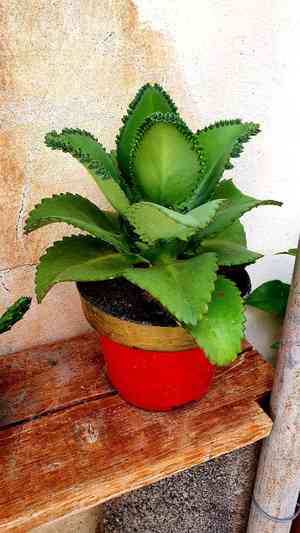
Kalanchoe daigremontiana is a distinctive succulent renowned for its unique propagation method—it effortlessly multiplies via small plantlets that develop along the margins of its foliage. These miniature plants, once fully developed, readily separate and drop to the earth, where they can take root and mature into individual specimens. While this process aids the natural dissemination of Kalanchoe daigremontiana in the wild, in cultivated settings, growers frequently remove these plantlets carefully and position them in their own substrate to foster development. A porous soil blend and ample, diffused illumination facilitate the rooting phase, and judicious watering is crucial, as the succulent's root system is susceptible to decay from excessive dampness.
What Is the Best Time To Propagate Mother Of Thousands?
Propagation Type
BudsOnTheLeaf
Propagation Season
Spring,Summer
What Tools Are Used in Mother Of Thousands Propagation?
Small scissors or precision pruners
These instruments are vital for carefully detaching the tiny plantlets that form along the leaf edges of mother of thousands. The sharp, accurate blades of small scissors or pruners ensure a clean cut, reducing harm to both the parent plant and the delicate plantlets. This precise cutting is crucial for preventing infections, promoting faster healing, and ensuring the health and viability of the propagated plants.
Trays or small pots
After gently detaching the plantlets from the parent plant, they should be placed on top of soil in trays or small pots. These containers offer a stable environment for the plantlets to develop roots. The size and depth of the trays or pots should be adequate to support root growth without overcrowding, leading to healthier plantlets with sufficient space to establish themselves.
Succulent or well-draining potting mix
A suitable potting medium, specifically formulated for succulents, is essential for propagating mother of thousands. The well-draining characteristic of the soil mix prevents water accumulation around the delicate roots of the plantlets, thereby lowering the risk of root rot. This choice of soil is critical for the successful establishment and growth of the plantlets.
Watering tool with a fine nozzle
A gentle watering device with a fine nozzle, such as a mist sprayer, is ideal for keeping newly planted plantlets moist without overwhelming them with excessive water pressure, which can dislodge them from their growing medium. The fine mist ensures the soil remains moist, encouraging root growth while preventing soil erosion or displacement of the young plants.
Tweezers
For handling smaller or fragile plantlets of mother of thousands, a pair of tweezers can be very useful. This tool allows for precise placement of plantlets in the soil, minimizing damage during handling and ensuring each plantlet is correctly positioned for optimal growth and root development.
How to Propagate Mother Of Thousands?
Propagation Type
Easy
How to Care for Your Newly Propagated Mother Of Thousands?
How to Care for Your Newly Propagated Mother Of Thousands?
Post-propagation, continue to provide mother of thousands with bright, indirect light, watering only when the top inch of the soil feels dry to prevent overwatering. A humid environment is not required. Fertilize sparingly with a balanced, diluted liquid fertilizer during the active growth period, and avoid feeding during dormancy. As mother of thousands grows, repot if necessary to accommodate its size and root development.
Common Mistakes to Avoid When Propagating Mother Of Thousands
Overwatering
Excessive watering can lead to root rot in mother of thousands, which is particularly vulnerable due to its efficient water storage. This often fatal condition can significantly reduce propagation success.
Deep burial of plantlets
Burying the tiny plantlets too deeply when attempting to root them can prevent them from receiving adequate light and air, which are vital for their initial growth phases.
Ignoring humidity needs
Failing to maintain an appropriate humidity range can impede the rooting process and overall health of mother of thousands plantlets, as they require a balanced moisture level in their environment to thrive.
Using non-sterile tools
Employing non-sterile tools for cutting or handling mother of thousands plantlets can introduce pathogens and diseases that may jeopardize the delicate propagation process or harm the mother plant.
Neglecting plantlets
Neglecting to separate and plant the naturally occurring plantlets promptly can result in overcrowding and competition for resources on the mother plant, affecting the health and propagation success of mother of thousands.
Tips For Propagating Mother Of Thousands
Gentle separation
Carefully detach the plantlets from the mother plant by gently twisting them off, ensuring minimal damage to their fragile stems and roots, which is crucial for the successful propagation of mother of thousands.
Adequate lighting
Provide bright, indirect illumination for mother of thousands plantlets, which helps to encourage strong, healthy growth without the risk of scorching the young foliage, vital for their establishment.
Well-draining soil
Utilize a well-draining soil mix for mother of thousands plantlets to prevent excessive moisture retention and reduce the risk of root rot, which is critical for the development of robust root systems.
Moderate watering
Water mother of thousands plantlets moderately, allowing the soil to dry out slightly between watering sessions, promoting healthy root growth without the risk of waterlogging.
Use of shallow trays
Propagate mother of thousands plantlets in shallow trays or small pots that allow for easy root establishment and efficient water drainage, as deep containers can retain excessive moisture detrimental to the young plants.



