How to Propagate Shrimp plant?
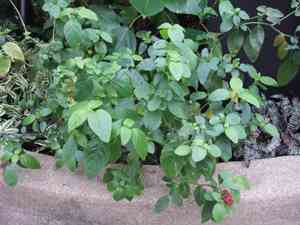
The Shrimp plant can be successfully multiplied by obtaining cuttings throughout the warmer periods of Spring and Summer. Its propagation presents a moderate challenge, with indicators of success being the emergence of fresh shoots and foliage. Ensure adequate moisture levels are consistently upheld during this procedure.
Optimal Time for Shrimp Plant Propagation
Propagation Method
Cuttings
Propagation Period
Spring, Summer
Tools Required for Shrimp Plant Propagation
Sharp pruning shears or scissors
These are crucial for making clean cuts on shrimp plant stems without harming the parent plant. A sharp blade ensures a smooth incision, which is less stressful for the plant and promotes faster healing and rooting.
Rooting hormone powder or gel
Applying this to the cut end of shrimp plant stem cuttings can significantly boost the likelihood of successful root formation. The hormone stimulates root growth and helps protect the cutting from disease as it establishes new roots.
Sterile potting mix
A well-draining, pathogen-free medium offers an ideal setting for shrimp plant cuttings to develop roots. It should be light and allow for air circulation, which is vital for root development and preventing rot.
Small pots or propagation trays
Containers are necessary to hold the cuttings while they root. They should have drainage holes to allow excess water to escape, preventing waterlogged conditions that could lead to rotting of shrimp plant cuttings.
Plastic wrap or humidity dome
Maintaining high humidity around shrimp plant cuttings is essential for preventing water loss through transpiration. Covering the pots or trays with plastic or a dome creates a mini greenhouse effect, helping to keep the cuttings moist and encouraging root growth.
Heating mat (optional)
Warmth can assist the rooting process of shrimp plant. A heating mat placed under the pots or propagation trays can provide consistent bottom heat, promoting quicker root development in cooler environments.
How to Propagate Shrimp Plant?
Propagation Type
Cutting
Difficulty Level
Easy
Post-Propagation Care for Your Shrimp Plant
How to Care for Your Newly Propagated Shrimp Plant?
After propagation, continue to provide shrimp plant with bright, indirect illumination. Water when the top inch of soil feels dry to the touch and fertilize with a balanced liquid feed every 4 to 6 weeks during the active growth period. Maintain high humidity by misting the foliage or using a pebble tray filled with water, and ensure good air circulation around the plant. Prune shrimp plant in the spring to encourage denser growth. Protect shrimp plant from temperatures below 50°F (10°C) as it is not frost-tolerant.
Common Errors to Avoid When Propagating Shrimp Plant
Excessive moisture
Maintaining overly wet soil conditions can lead to root rot or fungal disease in shrimp plant. This error may cause the propagation medium to be unsuitable for root development, ultimately hindering the plant's growth.
Using old stems
Choosing mature or woody stems for cuttings might result in poor rooting since they have less vigor compared to younger stems. This can severely limit the propagation success rate for shrimp plant.
Insufficient light
Providing too little light during propagation can cause shrimp plant cuttings to become leggy, weak, or fail to develop properly. This light deficiency can impede photosynthesis, creating unhealthy plants.
Overcrowding cuttings
Placing cuttings too close together can restrict airflow and create an environment conducive to disease. The limited space can hamper growth and lead to unhealthy development for shrimp plant.
Advice for Propagating Shrimp Plant
Semi-ripe cuttings
Utilize semi-ripe cuttings from new growth, as these tend to root more readily. This type of cutting strikes a balance between flexibility and strength, providing optimal conditions for root establishment in shrimp plant.
Moderate watering
Provide consistent moisture but avoid waterlogging. This balance ensures the cuttings of shrimp plant stay hydrated enough for root development without the risk of fungal diseases that come with excess water.
Bottom heat
Applying gentle bottom heat can encourage rooting by maintaining an ideal soil temperature. This can be particularly beneficial for shrimp plant's root development during the cooler months.
Indirect light
Place the cuttings in bright, indirect light to avoid scorching while providing the necessary energy for growth. The right balance of light will support photosynthesis without causing damage to shrimp plant.



