How to Propagate Needle juniper?
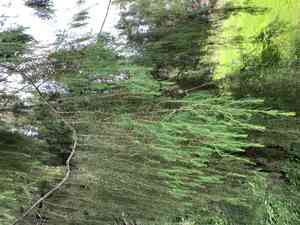
Originating from East Asia, the robust needle juniper stands out due to its pointed, needle-shaped foliage and capacity to thrive in diverse soil types. For reproduction, stem sections are highly efficient; select vigorous, semi-woody portions. Score the bottom to stimulate root development and apply a rooting compound. Insert into a substrate that drains effectively, guaranteeing elevated humidity and diffused illumination to facilitate rooting. Consistent spraying assists in preserving dampness while preventing root decay â a critical equilibrium for the needle juniper's flourishing.
Optimal Time for Needle Juniper Propagation
Propagation Method
Cutting
Propagation Period
Autumn,Winter
Essential Tools for Needle Juniper Propagation
Sharp Pruning Shears
These are crucial for making clean, precise cuts when taking cuttings from needle juniper. Sharp blades prevent damage to the parent plant and ensure each cutting has a clean surface, which is vital for encouraging successful root growth.
Rooting Hormone (Powder or Gel)
Applied to the cut end of the cutting before planting, this hormone stimulates root development and improves the chances of successful propagation for needle juniper. It's especially important for woody plants like needle juniper, which might otherwise struggle to root quickly.
Sterile Potting Mix
A sterile potting mix, free from pathogens, is essential for the health of new needle juniper cuttings. This medium provides a controlled environment for root growth without the risk of disease that can arise from unsterilized soil.
Propagator or Humidity Dome
Maintaining a high humidity environment is critical for the survival of needle juniper cuttings. A propagator or humidity dome helps keep the air around the cuttings moist, preventing them from drying out before they can establish roots.
Difficulty Level of Needle Juniper Propagation
Propagation Type
Moderately Difficult
Post-Propagation Care for Needle Juniper
How to Care for Your Newly Propagated Needle Juniper?
Once the needle juniper cutting has rooted, indicated by new growth, gradually acclimate it to outdoor conditions if it was started indoors. Slowly reduce humidity by making holes in the cover or lifting the dome until it's fully removed. Transplant the needle juniper to a larger pot or its permanent garden spot with soil suitable for needle juniper, typically well-drained with a slightly acidic to neutral pH. Water consistently to keep the soil moist but not waterlogged, and apply mulch to retain moisture and regulate soil temperature. Protect the young needle juniper from strong winds and extreme weather. As the needle juniper matures, it will require less frequent watering, but ensure the soil doesn't completely dry out.
Common Errors to Avoid When Propagating Needle Juniper
Overwatering
Excessive water can lead to root rot in needle juniper, particularly when cuttings are trying to establish. High moisture levels create an environment where fungal diseases can thrive, potentially killing the cuttings.
Using non-sterilized tools
Cuttings or seeds of needle juniper can easily become infected by pathogens transmitted through unclean tools, so sterilizing tools before use helps prevent the spread of diseases.
Ignoring soil composition
Using an unsuitable soil mix can impede needle juniper root development. Needle juniper requires well-draining soil, as dense soils can retain too much water and cause root rot.
Neglecting humidity levels
Needle juniper cuttings need a balanced humidity level for optimal root formation. Too little humidity can cause cuttings to dry out, while too much can encourage fungal growth.
Helpful Hints for Propagating Needle Juniper
Seed stratification
Cold stratifying needle juniper seeds before sowing helps break dormancy and stimulates germination, mimicking the natural winter conditions the seeds would experience in their native habitat.
Bottom heat
Applying gentle bottom heat can improve the rooting success of needle juniper cuttings by promoting a consistent and suitable temperature that encourages root growth.
Appropriate cutting size
Selecting semi-hardwood cuttings of the correct size (around 5-10 cm) from needle juniper increases the likelihood of successful rooting, as cuttings that are too large or too small may struggle to survive and grow.
Regular misting
Regularly misting needle juniper cuttings can help maintain the necessary humidity without overwatering, thus supporting cuttings in establishing roots within the desired moisture level.



