How to Propagate Bluntflower rush?
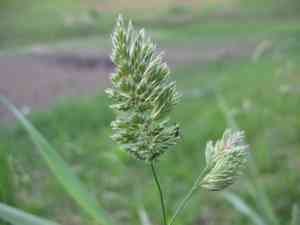
Juncus abortivus, a member of the Juncaceae botanical family, flourishes in marshy environments. For successful reproduction, separation is the most appropriate method. During its vigorous growth phase, meticulously separate the root mass, making sure every segment possesses sufficient roots. Immediately re-establish these separated portions in a damp substrate, replicating Juncus abortivus's inherent moist surroundings to foster effective rooting and development.
Optimal Propagation Period for Bluntflower Rush
Propagation Type
Division
Propagation Season
Spring,Autumn
Tools for Bluntflower Rush Propagation
Pruning Shears
Utilized for making clean cuts through the root structure of bluntflower rush, preventing unnecessary harm. Sharp blades are essential for precise cuts, encouraging quick recovery and new growth. Proper use of pruning shears greatly impacts the success of divisions, ensuring each root section has sufficient resources for independent establishment.
Spade or Garden Fork
Crucial for digging around and lifting bluntflower rush from the ground, minimizing root damage during the process. A spade is effective for cutting through dense soil, while a garden fork is gentler on root systems and aids in loosening soil for easier division.
Watering Can with a Fine Rose
Essential for gently watering bluntflower rush post-division to ensure adequate moisture without oversaturating or dislodging newly planted sections. Consistent hydration is vital for root establishment without causing soil erosion around the plant.
Gardening Gloves
Offer protection for the gardener's hands from sharp objects and potentially irritating plants. Gloves also enhance grip on tools and plants, improving accuracy during the delicate task of division propagation.
Propagating Bluntflower Rush
Propagation Type
Easy
Post-Propagation Care for Bluntflower Rush
Post-Propagation Care for Bluntflower Rush
After propagation, keep the soil consistently moist but not waterlogged; bluntflower rush thrives in damp conditions. Apply mulch to the area to retain soil moisture and control weeds. During the initial growing season, regularly monitor the plant and water as needed for establishment. A balanced fertilizer can be applied in early spring to encourage robust growth.
Common Propagation Errors for Bluntflower Rush
Overwatering
Excessive watering can lead to root rot and stunted growth in bluntflower rush. Its preference for well-drained, moist environments does not mean constant waterlogging, which can suffocate the root system and significantly impede healthy development.
Ignoring soil composition
Using an unsuitable soil mix can severely impact bluntflower rush's ability to establish and flourish. Bluntflower rush requires a specific blend that mimics its natural boggy habitat, rich in organic matter and well-draining. Inappropriate soil can result in poor root development and nutrient absorption.
Excessive handling of roots
Bluntflower rush possesses delicate root systems that are easily damaged by too much handling during propagation. Such damage can stress the plant, leading to poor growth or even death.
Bluntflower Rush Propagation Tips
Use division
Propagating bluntflower rush through division during its early growth stages increases the survival rate of each segment. This method allows for direct and effective establishment of new plants, each with a sufficient root system.
Maintain optimal humidity
Given that bluntflower rush thrives in moist environments, maintaining high humidity around new plants is crucial during the initial propagation phases. This can be achieved with a humidity dome or regular misting, replicating bluntflower rush's natural habitat.
Careful root handling
Handle bluntflower rush roots with care during propagation. Minimize air exposure and physical damage to promote better root health and facilitate quicker acclimatization in the new setting.



