How to Propagate Lesser creeping rush?
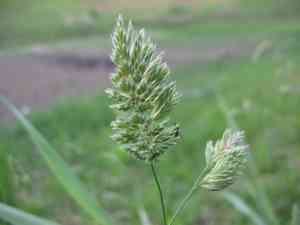
Juncus dudleyi is a perennial aquatic plant recognized for its spreading growth pattern, which makes it excellent for preventing soil erosion. To propagate, disperse seeds into a perpetually damp medium, replicating its native marsh environment. Ensure elevated humidity and strong illumination to encourage sprouting. This plant flourishes in brightly lit areas with abundant hydration, requiring the soil to be adequately drained but continuously wet.
When Is the Optimal Time to Propagate Lesser Creeping Rush?
Propagation Method
Seeding
Propagation Period
Spring
What Equipment Is Used for Lesser Creeping Rush Propagation?
Seed Trays
Seed trays offer a controlled setting for planting lesser creeping rush seeds. They facilitate proper watering and drainage, crucial for the initial growth phases of lesser creeping rush. They also help maintain stable temperature and humidity, encouraging successful germination.
Fine Seed Compost
Fine seed compost is vital for lesser creeping rush as it provides a nutrient-rich, well-draining growing medium. Its fine texture ensures good seed-to-soil contact, which is essential for the germination of lesser creeping rush seeds.
Spray Bottle
A spray bottle is utilized to gently moisten the seeds without dislodging them. For lesser creeping rush, maintaining sufficient moisture levels is critical without washing away the delicate seeds. A spray bottle helps achieve this balance.
Heating Mat
A heating mat can supply consistent bottom warmth, which aids in the germination process of lesser creeping rush. Maintaining an ideal soil temperature ensures quicker and more uniform seed sprouting.
Labels and Pens
Labeling is important to keep track of the various plantings of lesser creeping rush. Using waterproof labels and pens ensures that important information such as sowing dates and varieties are not lost.
Humidity Dome
A humidity dome helps create a microclimate with elevated humidity levels, which is beneficial for the germination of lesser creeping rush. It helps keep the soil moist and reduces water evaporation, creating ideal conditions for seedling growth.
Tweezers
Tweezers are useful for handling and sowing lesser creeping rush seeds, which can be very small and delicate. Using tweezers minimizes the risk of damaging the seeds or seedlings during the propagation process.
How to Propagate Lesser Creeping Rush?
Propagation Type
Simple
How to Care for Your Newly Propagated Lesser Creeping Rush?
How to Care for Your Newly Propagated Lesser Creeping Rush?
Once the seedlings of lesser creeping rush have established (after a few weeks), gradually acclimate them to outdoor conditions by placing them in a sheltered area outside for a few hours each day, increasing the duration over a week. Transplant them into a suitable wetland area or garden spot with plenty of sunlight and consistent moisture. Keep an eye on soil moisture levels, ensuring the soil remains moist but not flooded. Mulching can help retain moisture. Regularly remove any competing weeds to give lesser creeping rush the best chance to establish itself.
Common Mistakes to Avoid When Propagating Lesser Creeping Rush
Improper Soil Selection
Using dense or poorly draining soil can lead to root rot and impede growth.
Overwatering
Excessive watering can cause roots to suffocate and decay, especially if soil drainage is poor.
Insufficient Light
Placing the plant in a low-light environment can stunt growth and reduce vigor.
Incorrect Temperature
Exposing the plant to extreme temperatures, either too hot or too cold, can stress or kill it.
Inadequate Spacing
Failing to provide enough space between plants can lead to overcrowding, which decreases air circulation and increases disease risk.
Tips For Propagating Lesser Creeping Rush
Use Well-Draining Soil
Ensure the soil mix allows for adequate drainage to prevent waterlogging and root rot.
Moderate Watering
Maintain consistent soil moisture without overwatering to support healthy root development.
Provide Adequate Light
Place the plant in a location where it receives plenty of indirect sunlight to promote robust growth.
Maintain Optimal Temperature
Keep the plant in an environment with stable, moderate temperatures to prevent stress.
Ensure Proper Spacing
Allow ample space between each plant to improve air circulation and reduce the risk of disease.



