How to Propagate Plumas mousetail?
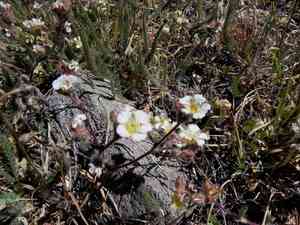
Plumas mousetail, a member of the Rosaceae family, is a perennial plant that tolerates dry conditions, making it perfect for rock gardens. To propagate, plant seeds in a soil blend that drains effectively. Lightly conceal the seeds and keep the substrate damp until sprouting occurs, which usually spans several weeks. Guarantee that the young plants receive ample sunlight to encourage vigorous development. Replant the seedlings once they are sufficiently sturdy to manage. Diligent attention will lead to successful propagation outcomes.
When Is the Best Time to Propagate Plumas Mousetail?
Propagation Type
Sowing
Propagation Season
Spring
What Tools Are Used in Plumas Mousetail Propagation?
Seed Trays
Seed trays are crucial for initiating plumas mousetail seeds in a regulated setting. Trays enable improved oversight of moisture levels and promote consistent germination, which is vital for the successful establishment of plumas mousetail seedlings.
Seedling Heat Mat
A seedling heat mat delivers consistent warmth from below, which can help accelerate the germination process for plumas mousetail seeds. This is especially useful in colder regions or during off-season propagation.
Humidity Dome
A humidity dome assists in maintaining elevated humidity levels, which are essential for the germination of plumas mousetail seeds. It establishes a microenvironment that prevents drying out and supplies the seedlings with the necessary moisture for growth.
Sterile Potting Mix
Utilizing a sterile potting mix prevents the introduction of pathogens and weeds that could impede the growth of plumas mousetail. A well-draining mix offers the correct balance of moisture retention and aeration.
Mister or Spray Bottle
A mister or spray bottle permits gentle watering of plumas mousetail seedlings without disturbing the soil or harming delicate sprouts. Consistent misting helps maintain appropriate moisture levels required for germination and early development.
Grow Lights
Grow lights are essential for providing sufficient illumination, particularly if natural sunlight is inadequate. Proper lighting ensures robust, healthy growth of plumas mousetail seedlings by supporting photosynthesis during their initial stages.
Labels and Markers
Using labels and markers helps keep track of plumas mousetail plantings, ensuring that different batches or varieties can be easily identified. This is important for monitoring germination rates and growth progress.
Small Trowel or Dibber
A small trowel or dibber is useful for transplanting plumas mousetail seedlings from the seed tray to individual pots or into the ground. These tools help minimize root disturbance and ensure proper planting depth, which is important for the continued health of the seedlings.
How to Propagate Plumas Mousetail?
Propagation Type
Simple
How to Care for Your Newly Propagated Plumas Mousetail?
How to Care for Your Newly Propagated Plumas Mousetail?
Post-germination, ensure seedlings receive ample light, ideally with a grow light or by placing them in a sunny spot. As seedlings mature, gradually introduce them to outdoor conditions by placing them outside for a few hours daily, increasing exposure over 1-2 weeks. Transplant seedlings to their final outdoor location, ensuring well-draining soil and adequate spacing for growth. Water regularly but avoid overwatering, allowing the soil to dry slightly between watering sessions.
Common Mistakes to Avoid When Propagating Plumas Mousetail
Overwatering
This can lead to root rot, as plumas mousetail prefers well-drained soil and is susceptible to waterlogged conditions.
Insufficient Light
Plumas mousetail requires ample sunlight for optimal growth; inadequate light can result in weak and leggy plants.
Incorrect Soil Type
Plumas mousetail thrives in specific soil conditions that are often overlooked by gardeners, using heavy clay or overly rich soil can hinder its growth.
Ignoring Soil pH
Plumas mousetail prefers slightly alkaline to neutral soil; ignoring this can affect nutrient uptake and overall health.
Improper Cuttings
Using old or unhealthy plant material can result in poor root development and failed propagation.
Tips For Propagating Plumas Mousetail
Well-Drained Soil
Ensure the soil mixes, such as sandy or gritty mediums, allow for adequate drainage to prevent root rot.
Adequate Sunlight
Place plumas mousetail in a location where it receives plenty of direct sunlight daily to promote healthy growth.
Proper Soil Type
Use a soil mix that mimics its natural habitat, avoiding heavy or overly rich soils.
Monitor Soil pH
Regularly check and adjust the soil pH to stay within a slightly alkaline to neutral range for optimal nutrient availability.
Healthy Cuttings
Select healthy, vigorous cuttings from the plant, ideally from young growth, ensuring they are disease-free and robust for better propagation success.



