How to Propagate Virginia sweetspire?
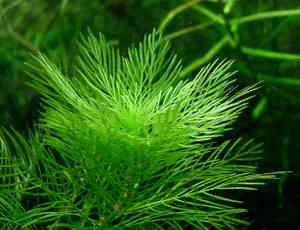
Virginia sweetspire is best multiplied in the fall and winter seasons, mainly through the use of cuttings and layering methods. Its propagation presents a moderate challenge. The appearance of fresh sprouts and root systems signifies successful propagation. Maintain adequate hydration for improved outcomes.
What Is the Best Time To Propagate Virginia Sweetspire?
Propagation Type
Cutting
Propagation Season
Autumn,Winter
What Tools Are Used in Virginia Sweetspire Propagation?
Pruning Shears
Pruning shears are vital for obtaining cuttings from virginia sweetspire. Their sharp blades ensure a clean cut, minimizing harm to the parent plant and boosting the chances of successful rooting. Sterilized pruning shears prevent disease transmission during the cutting process.
Rooting Hormone
Rooting hormone is utilized to encourage root development on virginia sweetspire cuttings. This chemical compound prompts the cut cells to transform into root cells, increasing the probability of successful rooting. Rooting hormone is especially beneficial for hardwood cuttings, which can be harder to root.
Potting Mix
A well-draining potting mix offers the ideal medium for virginia sweetspire cuttings to establish roots. The mix should be light and airy for oxygen penetration, yet retain enough moisture for root growth. It's crucial to select a mix that supports delicate new roots without being too dense.
Propagating Tray
A propagating tray organizes the soil and virginia sweetspire cuttings, allowing for easy observation and care. Features like integrated humidity domes can create a microclimate that further enhances rooting success.
How to Care for Your Newly Propagated Virginia Sweetspire?
How to Care for Your Newly Propagated Virginia Sweetspire?
Once roots have formed, typically within 4-8 weeks, gradually introduce the virginia sweetspire to less humid conditions by perforating the plastic cover or opening the humidity dome daily over a week. Transplant the rooted cutting into a larger container or garden soil prepared for virginia sweetspire with good drainage and a slightly acidic pH. Water the new virginia sweetspire regularly to keep the soil moist but not waterlogged and apply mulch to maintain soil moisture and temperature. Position the virginia sweetspire in an area with full sun to partial shade and shield it from strong winds. Periodically check for pests and diseases and fertilize sparingly, especially during its active growth period.
Common Mistakes to Avoid When Propagating Virginia Sweetspire
Inadequate rooting medium
Using unsuitable rooting mediums can lead to poor rooting of virginia sweetspire cuttings. An inappropriate medium may cause waterlogging or insufficient moisture retention, ultimately hindering root development.
Overwatering
Overwatering can result in root rot in virginia sweetspire, which is lethal for newly propagated plants. Excessive moisture in the soil lacks the necessary oxygen for roots to develop.
Ignoring pests and disease
Neglecting to monitor virginia sweetspire for pests and disease can lead to infestations or infections, which are particularly detrimental to young plants that lack established defense mechanisms.
Poor cutting selection
Taking cuttings from unhealthy or non-vigorous parts of virginia sweetspire can decrease the likelihood of successful propagation as these cuttings may lack the resources to root and grow.
Tips For Propagating Virginia Sweetspire
Healthy stem cuttings
Choosing robust and healthy cuttings from a mature virginia sweetspire ensures a higher success rate in propagation as these cuttings are more likely to possess the energy reserves needed to develop roots.
Appropriate moisture levels
Maintaining the correct moisture level in the soil is crucial for the successful rooting of virginia sweetspire. The soil should be consistently damp, but not saturated, to support root formation without causing decay.
Well-draining soil
Utilizing a well-draining soil mix can help prevent water retention problems and provide virginia sweetspire cuttings with the proper balance of moisture and aeration.
Monitor for health
Regularly checking the health of virginia sweetspire and promptly addressing any signs of distress can protect new cuttings from pests and diseases that might otherwise compromise their growth.



