How to Propagate Vine mesquite?
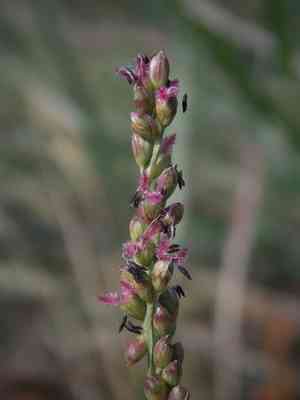
Vine mesquite flourishes when multiplied through root division, a technique perfectly suited for its vigorous root structure. Cultivators ought to meticulously excavate and delicately part the root mass, making certain that every new segment possesses a sound complement of roots. Immediately re-embed these separated portions into adequately draining earth, sustaining uniform dampness until they are firmly rooted. This strategy facilitates more rapid integration into the landscape, enabling vine mesquite to expand organically and occupy areas with its elegant greenery.
When Is the Optimal Time to Propagate Vine Mesquite?
Propagation Method
Division
Propagation Period
Spring,Autumn
What Implements Are Utilized in Vine Mesquite Propagation?
Sharp, Sterile Knife or Pruning Shears
These instruments are vital for making clean cuts through the root system of vine mesquite during division, which is crucial for minimizing plant stress and damage. A sharp, sterile tool ensures precise incisions, lowering the risk of disease transmission and encouraging faster recovery and root development in the separated sections.
Spade or Garden Fork
Used for gently lifting vine mesquite from the ground, a spade or garden fork is essential for division propagation. These tools allow for careful excavation of the root system, minimizing root damage while ensuring the extraction of substantial root clusters necessary for successful replanting.
Watering Can with a Fine Rose
After dividing and replanting vine mesquite, a gentle water supply is necessary to settle the soil and provide adequate hydration. This tool ensures a soft flow of water that won't disturb the newly planted divisions, facilitating initial root establishment and reducing transplant shock.
Rooting Hormone (Optional)
Applying a rooting hormone to the cut surfaces of vine mesquite's roots can encourage quicker and more robust root development. This is particularly useful in promoting the health and viability of new plants from divisions, enhancing their ability to establish and thrive in a new location.
How to Propagate Vine Mesquite?
Propagation Type
Easy
How to Nurture Your Recently Propagated Vine Mesquite?
How to Nurture Your Recently Propagated Vine Mesquite?
Following propagation, vine mesquite requires consistent irrigation, especially during dry periods, to become established. It flourishes in well-drained soil and benefits from a mulch layer to retain moisture. Partial to full sun exposure is ideal. Regular trimming will help maintain its form and encourage denser growth. Monitor for pests and diseases and treat as needed to keep the plant healthy.
Common Errors to Avoid When Propagating Vine Mesquite
Insufficient root development area
Using containers that are too small can restrict the root growth of vine mesquite, leading to poor establishment and stunted growth. This mistake can ultimately affect the overall health and survival rate of the propagated plants.
Excessive moisture
Overwatering can lead to root rot and fungal diseases in vine mesquite. This mistake is problematic because it compromises the plant's root system and can significantly reduce propagation success.
Disregarding soil composition
Utilizing incorrect or poor-quality soil mix that does not align with vine mesquite's requirements, such as well-drained soil, can impede proper root development and nutrient absorption, hindering plant growth and health.
Advice For Propagating Vine Mesquite
Utilize appropriate containers
Choose containers with sufficient space and adequate drainage to promote healthy root growth for vine mesquite. This ensures the roots have enough room to develop without being waterlogged.
Monitor irrigation
Maintain moist but not overly wet soil conditions. Proper water management prevents root diseases and supports healthy growth, enhancing the chances of successful propagation.
Select the correct soil
Employ a well-draining soil mix rich in organic matter. This caters to vine mesquite's specific soil preferences and ensures optimal growth conditions during the propagation phase.



