How to Propagate Sea-buckthorn?
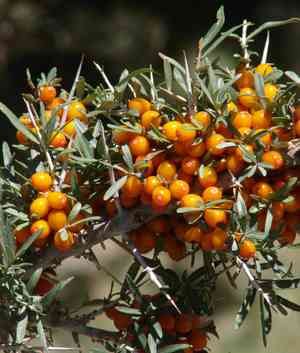
Sea-buckthorn flourishes when propagated via cuttings, a method specifically designed to foster its vigorous development. For the best results, semi-hardwood cuttings taken in early summer are most effective. It is essential to provide elevated humidity and steady dampness during the initial period of root formation. Applying rooting stimulant can boost the likelihood of success, guaranteeing the development of resilient, thriving specimens. Consistent observation and safeguarding against harsh conditions will further aid in the prosperous cultivation of new vegetation.
Optimal Period for Sea-buckthorn Propagation?
Propagation Method
Cutting
Propagation Period
Autumn,Winter
Tools Required for Sea-buckthorn Propagation?
Sharp pruning shears
These shears are vital for making clean cuts on sea-buckthorn stems or branches, minimizing damage and fostering healthier rooting. Precise cuts, essential for cutting propagation, reduce infection risk and stress to the parent plant.
Rooting hormone powder or gel
This compound encourages root development from sea-buckthorn cuttings. Applying rooting hormone to the cut end boosts the likelihood of successful root formation, crucial for new sea-buckthorn plant establishment. This tool is especially important for rooting some challenging hardwood cuttings.
Sterile medium
A sterile propagation substrate like perlite, vermiculite, or a sand and peat blend prevents disease and aids moisture retention around the cutting. The medium offers a supportive environment for root growth while inhibiting harmful fungi or bacteria near new sea-buckthorn cuttings.
Humidity dome or plastic bags
These items help maintain high humidity around sea-buckthorn cuttings, vital for preventing dehydration while roots form. Given sea-buckthorn's sensitivity during initial rooting, consistent humidity is key for successful cutting propagation.
Plant labels and marker
These are useful for documenting cutting details, such as collection date and applied conditions or treatments. Proper labeling assists in monitoring each sea-buckthorn cutting's progress and status, enabling better propagation management.
How to Propagate Sea-buckthorn?
Propagation Difficulty
Moderately Difficult
Post-Propagation Care for Sea-buckthorn?
Post-Propagation Care for Sea-buckthorn?
Once sea-buckthorn cuttings have rooted and acclimated, gradually expose them to more direct sunlight and environmental conditions. Transplant them into larger containers or directly into the garden if the climate is suitable. Sea-buckthorn thrives in sunny spots with well-draining soil. Continue regular watering to establish young plants, reducing frequency as they mature. Mulching can help retain soil moisture and control weeds. Established sea-buckthorn is drought-tolerant and needs minimal upkeep, though occasional pruning helps maintain its form and yield.
Common Errors to Avoid When Propagating Sea-buckthorn
Overwatering
When propagating sea-buckthorn, a common error is excessive watering, leading to root rot and fungal issues. This is problematic as it severely impairs root health, diminishing the chances of successful propagation.
Deep planting
Planting seeds or cuttings too deeply can impede the emergence or growth of sea-buckthorn. Deep planting might cause the plant to expend all its stored energy reaching for light, potentially exhausting it before establishment.
Ignoring pH levels
Neglecting soil pH can negatively impact sea-buckthorn's growth. Sea-buckthorn prefers slightly alkaline to neutral soil, and incorrect pH levels can result in poor nutrient absorption and stunted development.
Tips for Propagating Sea-buckthorn
Use of rooting hormones
Applying rooting hormones to sea-buckthorn cuttings can significantly enhance rooting success. Rooting hormones help stimulate root growth and improve the plant's overall development.
Gradual acclimatization
Gradually acclimating sea-buckthorn to outdoor conditions is vital for cuttings. This process helps the plant adjust to its new environment without shock, which can hinder growth or cause death.
Appropriate moisture levels
Maintaining optimal soil moisture is crucial for sea-buckthorn propagation. The soil should be kept moist but not waterlogged, providing an ideal environment for root development.



