How to Propagate Manchineel?
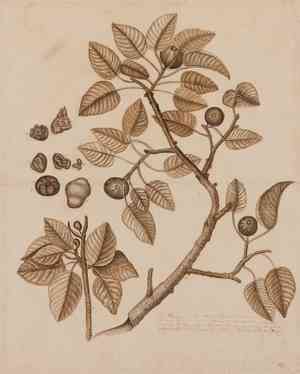
This poisonous tree flourishes in littoral and adjacent coastal areas and necessitates meticulous propagation methods because of its noxious latex. Cuttings represent the principal method of propagation and mandate handling with safety gear. The semi-hardwood cuttings ought to be acquired with exactness to avert harm, thereby enhancing the likelihood of successful root formation. Guaranteeing sterile and disinfected implements prevents contamination when harvesting cuttings. Rooting stimulant can assist in the formation of new roots; it is vital to embed the cutting in adequately draining substrate and sustain uniform hydration without oversaturation.
Optimal Time for Manchineel Propagation
Propagation Type
Cutting
Propagation Season
Autumn,Winter
Tools for Manchineel Propagation
Gloves
Given the highly poisonous sap of manchineel, it's vital to use thick, impenetrable gloves to shield skin and prevent any sap exposure. Gloves must be made from a material that doesn't absorb sap and resists corrosion from strong irritants.
Pruning Shears
Sharp, clean, and sterilized pruning shears are crucial for making precise cuts on manchineel's branches to obtain cuttings. The shears should be capable of making smooth, clean cuts to minimize damage and promote faster healing of the cut areas.
Rooting Hormone
Applying a rooting hormone helps improve the success rate of cuttings from manchineel. The hormone stimulates root development at the cut site, increasing the likelihood of a cutting growing into a healthy, viable plant.
Potting Mix
A well-draining, sterile potting mix is essential to provide ideal growing conditions for manchineel's cuttings. The mix should be free of pathogens and pests, helping to ensure healthy root development and minimize the risk of disease.
Propagation Tray
A propagation tray with a humidity dome is used to maintain consistent moisture and humidity levels around manchineel cuttings. This environment supports the cuttings in developing roots more efficiently by ensuring a stable, controlled climate.
Manchineel Propagation Method
Propagation Type
Moderately Difficult
Caring for Newly Propagated Manchineel
Caring for Newly Propagated Manchineel
Once the manchineel cutting has rooted and begun to show new growth, gradually acclimate it to less humid conditions by removing the plastic covering. Continue to ensure the plant receives indirect sunlight and adequate moisture. Due to the toxicity of manchineel, continue wearing protective gear while handling the plant, and position it in an area away from human and animal activity.
Common Mistakes to Avoid When Propagating Manchineel
Handling without protection
Gardeners often underestimate manchineel's toxicity. Contact with its sap causes severe skin irritation and can be dangerous. Touching manchineel without protective gloves and clothing can result in burns or other serious skin issues.
Ignoring locality of propagation
Attempting to propagate manchineel in non-native environments might lead to ecological problems. Manchineel is highly adaptable and can become invasive, displacing local flora and damaging ecosystems.
Improper disposal of trimmings
Discarding manchineel plant parts without careful consideration can be a mistake. Parts of the plant, even when pruned or dead, remain toxic and can harm unsuspecting animals or humans if not handled and disposed of correctly.
Tips For Propagating Manchineel
Use of protective gear
Handling manchineel requires meticulous care. Always wear protective gloves, long sleeves, and eye protection to safeguard against the toxic sap during propagation activities.
Controlled environments
Successful manchineel propagation requires controlled environmental conditions, especially regarding humidity and temperature. Using a greenhouse can help manage these factors effectively.
Responsible management
Propagation should be approached with an understanding of manchineel's invasive potential outside its native range. Consider regulations and ecological impacts before cultivating manchineel in non-native areas.



