How to Propagate Atlantic ivy?
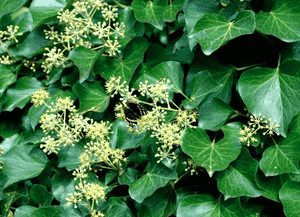
A perennial, vining specimen boasting abundant leaves, atlantic ivy can be readily multiplied via the cutting technique, which entails severing semi-hardwood stem sections. To achieve successful root formation, these cuttings ought to possess multiple leaf junctions and be embedded in damp, adequately draining substrate. Employing a rooting stimulant enhances the likelihood of establishment, and furnishing a steady setting with uniform humidity and diffused illumination fosters prime advancement. Preventing the severed ends from dehydrating is vital for the propagation endeavor.
When Is the Optimal Time to Propagate Atlantic Ivy?
Propagation Type
Cutting
Propagation Season
Spring,Summer
What Equipment Is Used in Atlantic Ivy Propagation?
Sharp Pruning Shears
Crucial for taking clean and precise atlantic ivy cuttings. Sharp blades minimize damage to the parent plant and cutting, fostering healthier root growth.
Rooting Hormone Powder or Gel
Applied to the cut end of atlantic ivy, this promotes faster and more dependable root formation. The hormone stimulates root development, vital for new plant establishment.
Potting Mix
A well-draining, nutrient-rich potting mix offers an ideal setting for atlantic ivy cuttings to develop roots. The mix should allow for good aeration and moisture retention to support root growth without rot.
Propagation Tray
Used to arrange and maintain atlantic ivy cuttings in a stable and controlled environment. Helps in sustaining appropriate humidity and temperature, crucial for rooting success.
Humidity Dome or Plastic Wrap
Covers the propagation tray to maintain high humidity around atlantic ivy cuttings, essential for encouraging root formation while reducing water loss from the cuttings.
How to Propagate Atlantic Ivy?
Propagation Type
Moderately Difficult
How to Care for Your Newly Propagated Atlantic Ivy?
How to Care for Your Newly Propagated Atlantic Ivy?
Once atlantic ivy cuttings have successfully rooted, typically after a few weeks, gradually acclimate them to drier conditions by removing the plastic cover for increasing durations daily. After hardening off, transfer them to individual pots or their permanent spot. Maintain consistent moisture and provide indirect sunlight or partial shade. Fertilize lightly every 4-6 weeks during the growing season to encourage robust growth. Regular trimming will help maintain the desired shape and size, and can prevent atlantic ivy from becoming too invasive.
Common Mistakes to Avoid When Propagating Atlantic Ivy
Inadequate Stem Cutting Preparation
Failing to choose healthy, non-flowering stems for cuttings or making improper cuts can lead to poor root development.
Excessive Watering
Overwatering atlantic ivy cuttings can result in root rot and fungal issues, hindering successful propagation.
Insufficient Humidity
Not maintaining a humid environment for atlantic ivy cuttings can cause them to dry out and reduce rooting success.
Ignoring Pest Control
Not monitoring atlantic ivy propagation setups for pests can lead to infestations that weaken or kill new plantlets.
Neglecting Aftercare
Insufficient care for atlantic ivy after rooting, such as sudden environmental changes, can shock the plant and impede growth.
Tips For Propagating Atlantic Ivy
Healthy Cutting Selection
Choose mature, healthy stems without flowers for atlantic ivy cuttings to ensure robust root development.
Proper Watering
Maintain an evenly moist propagation medium for atlantic ivy cuttings to encourage rooting without causing decay.
Humidity Control
Use a humidity dome or plastic bag to keep the air around atlantic ivy cuttings humid and promote successful rooting.
Pest Monitoring
Regularly check the propagation area for pests and treat atlantic ivy cuttings promptly to prevent damage.
Gradual Acclimatization
Slowly acclimatize atlantic ivy to less humid conditions post-rooting to strengthen the plant before potting or planting out.



