How to Propagate Hanguana malayana?
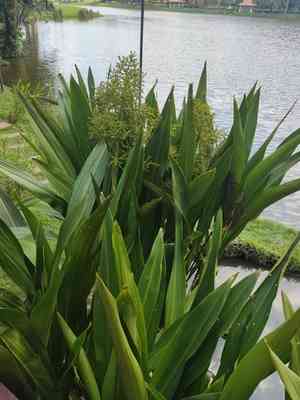
Hanguana malayana is chiefly multiplied by seeding. Verify that seeds are planted in soil that drains effectively and is abundant in organic material. Steady dampness is vital for seed sprouting. Sustain a warm and moist atmosphere to aid development. Periodically check for insect infestations and illnesses. Appropriate spacing assists in lessening rivalry for nourishment and illumination, fostering more robust growth.
When Is the Optimal Time to Propagate Hanguana Malayana?
Propagation Type
Seeding
Propagation Season
Spring
What Equipment Is Utilized in Hanguana Malayana Propagation?
Seed Trays
Crucial for germinating hanguana malayana seeds. They offer a controlled setting for sprouting, ensuring consistent moisture and temperature.
Sterile Potting Mix
Prevents fungal diseases and infections when planting hanguana malayana seeds. It provides a well-draining, nutrient-dense medium for young plants.
Seedling Heat Mat
Maintains an ideal soil temperature to boost germination rates and growth for hanguana malayana seedlings. The steady warmth mimics natural sprouting conditions.
Spray Bottle
Used for gentle irrigation to avoid disturbing the soil and harming delicate hanguana malayana seedlings. Even moisture distribution is vital for seed germination.
Humidity Dome
Creates a moist environment that encourages quicker germination and prevents hanguana malayana seeds from drying out. It helps maintain a stable microclimate.
Seed-Starting Fertilizer
Supplies essential nutrients that support the initial growth of hanguana malayana seedlings. Specialized formulas promote robust root and leaf development.
Labels
Ensures correct identification of hanguana malayana seedlings. Accurate labeling aids in tracking growth stages and care requirements.
Transplanting Tool
Facilitates the careful transfer of hanguana malayana seedlings to larger containers or planting sites. This tool minimizes root disturbance and transplant shock.
Grow Lights
Supplemental lighting ensures hanguana malayana seedlings receive sufficient light, especially in low-light conditions, promoting healthy development and preventing etiolation.
How to Propagate Hanguana Malayana?
Propagation Type
Simple
How to Care for Your Newly Propagated Hanguana Malayana?
How to Care for Your Newly Propagated Hanguana Malayana?
Once hanguana malayana seeds sprout, gradually introduce the seedlings to brighter light. Move them to individual pots when they are large enough, using a similar well-draining soil mix. Keep the soil consistently moist but avoid saturation. Check for pests and provide ample indirect sunlight to encourage vigorous growth. Hanguana malayana thrives in warm, humid conditions, so maintain these environmental factors for optimal development.
Common Errors to Avoid When Propagating Hanguana Malayana
Overwatering
Excessive watering of hanguana malayana can lead to root rot and fungal issues, severely hindering the plant's ability to establish new roots and grow robustly.
Using Incorrect Soil Type
Employing soil that drains poorly or lacks adequate nutrients can impede growth and propagation success. Hanguana malayana flourishes in well-draining, nutrient-rich soil.
Insufficient Light
Providing inadequate light can slow down photosynthesis and impede the development of new plants. Hanguana malayana benefits from bright, indirect sunlight.
Ignoring Pest Management
Neglecting pest control can result in infestations that can harm both parent and propagated plants. Common pests should be monitored and managed diligently.
Advice For Propagating Hanguana Malayana
Adequate Drainage
Ensure that the soil and containers used for propagating hanguana malayana have excellent drainage to prevent waterlogging.
Soil Quality
Use a premium, well-draining potting mix rich in organic matter to support healthy root development.
Light Conditions
Place hanguana malayana in an area with bright, indirect sunlight to encourage optimal growth without causing leaf burn.
Pest Monitoring
Regularly check for pests and take immediate action if any signs of infestation are noticed to protect both the cuttings and parent plant from damage.



