How to Propagate Hakone grass?
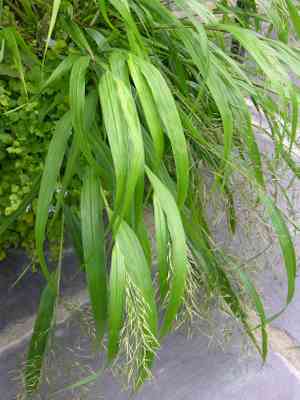
Hakone grass is most effectively multiplied through separation in the spring and fall. This procedure presents a moderate challenge. Evidence of successful propagation includes fresh shoots and abundant leaves. Guarantee robust root structures and damp soil environments for peak outcomes.
Optimal Time for Hakone Grass Propagation
Propagation Method
Separation
Propagation Period
Spring, Autumn
Tools for Hakone Grass Propagation
Garden fork or spade
These implements are used to gently lift Hakone grass from the ground without harming the roots, which is vital for successful separation. A garden fork is advantageous as its tines can loosen the soil and help separate roots with minimal damage.
Sharp knife or pruning shears
A sharp blade or pruning shears are employed to cleanly cut through the root ball of Hakone grass. This ensures a smooth incision that will heal quickly, reducing the risk of disease and encouraging faster root establishment after division.
Watering can or hose with a gentle spray setting
Following Hakone grass propagation, a soft water source is essential to settle the soil around the new divisions and provide sufficient moisture. A gentle spray setting mimics natural rainfall, decreasing the chance of soil erosion or harm to the newly planted divisions.
Rooting hormone (optional)
While not always required, applying rooting hormone can stimulate root development in the new divisions of Hakone grass. This is particularly beneficial for promoting vigorous root growth, which is crucial for the establishment of new plants.
Gloves
Wearing gloves protects the propagator's hands from dirt, sharp implements, and potential skin irritants in the garden. They also provide a better grip, making it easier to handle Hakone grass safely during the division process.
Planting containers or pots (if container propagation is preferred)
These are utilized to pot up divisions of Hakone grass if immediate garden planting is not feasible. The pot must have adequate drainage to prevent waterlogging and root rot, which is essential for the plant's health post-propagation.
Method for Propagating Hakone Grass
Propagation Method
Division
Difficulty Level
Simple
Caring for Newly Propagated Hakone Grass
Caring for Newly Propagated Hakone Grass
To care for Hakone grass after propagation, water the new divisions regularly, especially during dry periods, to help them establish. Maintain consistent moisture without overwatering. Provide shade if the climate is particularly hot, as Hakone grass prefers cooler conditions. Fertilize in the spring with a balanced fertilizer to encourage growth. Divide the plants every few years to rejuvenate them and manage their spread. Remove any dead or damaged foliage to keep the plant looking neat. Hakone grass is a relatively low-maintenance plant and will thrive with these basic care requirements.
Common Errors to Avoid When Propagating Hakone Grass
Excessive watering after division
Overwatering can lead to root rot in Hakone grass, which thrives in well-drained conditions. Saturated soil may suffocate the newly divided roots, hindering growth and potentially killing the plant.
Planting divisions too deep
Planting divisions of Hakone grass too deeply can cause the crown to decay. The crown should remain above the soil level to ensure proper growth and prevent rot.
Using dull tools for division
Dull tools can damage the roots and crown of Hakone grass during division, leading to poor recovery and growth of the propagated plants.
Ignoring soil conditions
Hakone grass prefers rich, fertile soil. Disregarding soil quality and structure can result in poor establishment and growth of the divided plants, impeding their development.
Advice for Propagating Hakone Grass
Sharp tools for division
Utilize sharp, sterile instruments to cleanly cut through the root system, minimizing damage and disease risk, and promoting faster recovery of Hakone grass.
Adequate spacing
Provide sufficient room between divisions of Hakone grass to ensure proper air circulation and sunlight penetration, which encourages robust growth.
Soil amendment
Incorporate organic material into the planting site to enhance soil quality, promoting the health of Hakone grass and improving water retention and drainage.
Watering regime
Maintain consistent moisture after division without overwatering. Balanced irrigation is crucial for root establishment, but saturated soil must be avoided.



