How to Propagate Gynura divaricata?
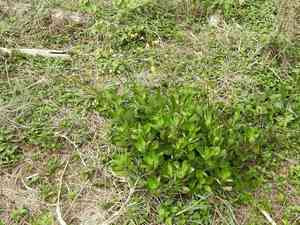
Gynura divaricata is readily multiplied via stem sections, preferably collected in the Spring or Summer seasons. This method is relatively straightforward, with indicators of success being the emergence of fresh foliage. Ensure good sanitation practices to enhance the likelihood of positive outcomes.
When Is the Best Time To Propagate Gynura Divaricata?
Propagation Method
Cutting
Propagation Period
Spring, Summer
What Tools Are Used in Gynura Divaricata Propagation?
Sharp Pruning Shears
These are crucial for making clean cuts from the parent gynura divaricata plant without causing harm or bruising. A precise cut helps to lower the risk of infection and promotes better root formation when the cutting is planted.
Rooting Hormone Powder or Gel
This substance encourages root development on the cutting, boosting the likelihood of successful propagation. It contains auxins which mimic the plant's natural growth hormones, especially useful for gynura divaricata, which may root more easily with this aid.
Sterile Potting Mix
A well-draining, pathogen-free potting mix is essential for the newly cut gynura divaricata to establish roots. The sterility of the mix ensures no harmful organisms can affect the cutting before it develops a strong root system.
Small Pots or Trays
These containers are used to plant the cuttings. It is important that they are the correct size for gynura divaricata to prevent overwatering and to encourage adequate root development.
Plastic Covers or Mini Greenhouses
A humid microenvironment is vital for gynura divaricata cuttings to prevent moisture loss while the cuttings lack roots to absorb water. These tools help maintain high humidity and warm temperatures, fostering root and leaf development.
Watering Can with a Fine Rose
Gentle watering is necessary to keep the soil moist without disturbing the gynura divaricata cuttings. A watering can with a fine rose attachment delivers a soft sprinkle of water that won't displace or compact the soil around the developing roots.
How to Propagate Gynura Divaricata?
Propagation Method
Cutting
Difficulty Level
Easy
How to Care for Your Newly Propagated Gynura Divaricata?
How to Care for Your Newly Propagated Gynura Divaricata?
After propagation, gynura divaricata needs consistent moisture without becoming waterlogged. It thrives in bright, indirect light and benefits from a balanced, all-purpose fertilizer applied every 4 weeks during the growing season. Regular trimming can encourage fuller growth and remove any leggy or unhealthy stems. Avoid exposing gynura divaricata to temperatures below 50°F (10°C). Continue to check for pests or diseases and treat as needed.
Common Mistakes to Avoid When Propagating Gynura Divaricata
Overwatering cuttings
Cuttings of gynura divaricata can rot if the soil is kept too wet. Excessive watering creates an anaerobic environment which promotes fungal growth, often leading to the cutting's decay before it can root.
Using non-sterile tools
Propagating gynura divaricata with contaminated equipment can introduce pathogens to the fresh cuttings, potentially causing disease and poor rooting.
Cutting too small a section
Small cuttings of gynura divaricata might not possess enough energy reserves to support root development, decreasing the chances of successful propagation.
Ignoring leaf health
Taking cuttings from unhealthy or diseased leaves of gynura divaricata can lead to poor propagation outcomes because the cutting may lack the necessary vigor to grow new roots.
Tips For Propagating Gynura Divaricata
Correct moisture balance
Maintaining a balance where the soil is moist but not soggy when propagating gynura divaricata ensures an optimal environment for root development without the risk of rot.
Sterilize equipment
Always use sterilized scissors or blades to make cuttings of gynura divaricata to minimize the risk of infection and encourage healthy root growth.
Proper cutting size
Ensure that cuttings of gynura divaricata are of a sufficient size, generally a few inches long with several leaf nodes, to increase the chances of successful rooting.
Healthy parent plant
Select the healthiest leaves or stems for propagation from gynura divaricata as it's more likely they contain the necessary energy and resources to initiate new roots.



