How to Propagate Velvet plant?
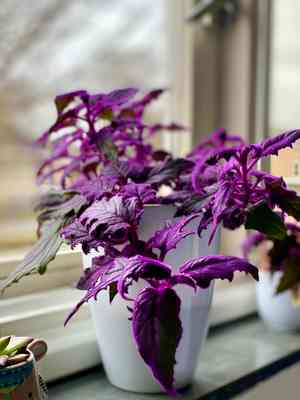
Gynura aurantiaca can be readily multiplied in the spring and summer seasons using soft stem sections. Observe indicators of successful propagation, including fresh shoots and vibrant leaves. A crucial recommendation is to ensure the growing medium remains damp, yet not oversaturated.
Optimal Time for Velvet Plant Propagation
Propagation Method
Cuttings
Propagation Period
Spring, Summer
Tools for Velvet Plant Propagation
Sharp pruning shears or scissors
These implements are essential for making precise cuts on velvet plant stems without causing undue harm. Clean cuts facilitate faster healing and minimize infection risks that could hinder rooting.
Rooting hormone powder or gel
Applying rooting hormone to the severed end of velvet plant stem cuttings aids in stimulating root development and improves the likelihood of successful propagation. This is particularly advantageous for accelerating and standardizing root formation.
Sterile potting mix
Utilizing a sterile, well-draining potting medium offers a clean and favorable environment for velvet plant stem cuttings to establish roots. It reduces the danger of soil-borne illnesses that might otherwise compromise the health of new plants.
Propagation trays or small pots
These containers hold the potting medium and provide a stable setting for velvet plant cuttings to develop roots. They also enable easy monitoring of moisture levels and root growth.
Clear plastic cover or bag
Velvet plant thrives with high humidity during the root formation stage. A transparent plastic cover or bag over the propagation tray or pot helps maintain the necessary humidity, mimicking a greenhouse effect.
Spray bottle
A spray bottle is employed to gently mist the velvet plant cuttings and the surrounding potting mix. This ensures adequate moisture for the cuttings without over-saturating, which is vital for preventing rot and disease.
Propagating Velvet Plant: A Guide
Propagation Method
Cuttings
Difficulty Level
Easy
Caring for Your Newly Propagated Velvet Plant
Caring for Your Newly Propagated Velvet Plant
Ensure velvet plant is situated in a spot with bright, indirect illumination. Water when the top inch of the substrate feels dry. Velvet plant prefers elevated humidity, so misting or employing a humidifier can be advantageous. Fertilize velvet plant with a balanced, water-soluble plant food every 4-6 weeks during the active growth period. Prune velvet plant regularly to encourage denser growth and prevent legginess. Inspect for pests and diseases, and address them promptly if any issues arise.
Common Errors to Avoid When Propagating Velvet Plant
Overwatering cuttings
Excessive watering can lead to stem and root decay, which is especially detrimental for velvet plant cuttings. These delicate new plants require moist but well-drained conditions to flourish, and too much water can suffocate developing roots, reducing their oxygen supply.
Using dull cutting tools
Blunt tools might crush or damage the stem of velvet plant, resulting in unsuccessful propagation. Clean, sharp cuts are necessary to promote proper healing and root development.
Ignoring humidity needs
Velvet plant cuttings require a specific level of humidity to root successfully. Failing to provide a humid environment can lead to the dehydration of cuttings before they have a chance to root.
Taking cuttings from unhealthy plants
Cuttings should be sourced from robust, healthy velvet plant specimens. Propagating from a weak or diseased plant can result in poor growth or the spread of diseases to new plants.
Planting cuttings too deeply
Inserting velvet plant cuttings too far into the propagation medium can cause the stems to rot. Cuttings need to be planted at the correct depth to allow sufficient air circulation and root development.
Tips For Propagating Velvet Plant
Proper cutting technique
Cut below a node using a clean, sharp pair of scissors or shears. A cut made at a 45-degree angle increases the surface area for velvet plant to develop roots and helps absorb more water.
Right medium choice
Selecting a well-draining, sterile propagation medium is crucial for velvet plant as it supports the development of new roots while minimizing the risk of disease.
Optimal humidity maintenance
Covering the cuttings with a clear plastic bag or placing them in a propagation chamber can help maintain the humidity levels required by velvet plant to root successfully.
Adequate light conditions
Provide bright, indirect light for velvet plant cuttings to encourage growth without the risk of scorching the delicate new plants.
Rooting hormone application
Utilizing a rooting hormone on the cut end of velvet plant can stimulate root growth and enhance the chances of successful propagation.



