How to Propagate Common corn-flag?
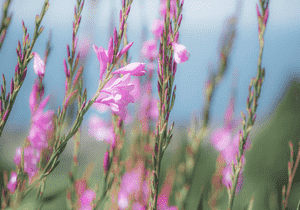
Reproducing common corn-flag is generally accomplished using corms in the prime period of Spring. This procedure presents a moderate challenge, and the emergence of new leaves signifies successful propagation. Correct handling of the corms is essential for achieving the best outcomes.
Optimal Period for Propagating Common Corn-flag?
Propagation Method
Utilize The Tubers
Propagation Period
Spring
Tools Required for Common Corn-flag Propagation?
Trowel
A trowel is a compact hand implement for excavating small holes, particularly useful when planting common corn-flag's tubers. Its pointed blade enables precise placement of tubers at the correct depth, typically around 4 inches, fostering proper root development and stability.
Gardening Gloves
Gloves safeguard hands from soil-borne pathogens and prevent harm to common corn-flag tubers during handling. Gentle handling facilitated by gloves helps preserve tuber integrity, leading to successful propagation.
Watering Can with a Fine Rose
A watering can fitted with a fine rose attachment delivers a gentle, rain-like spray that moistens the soil around common corn-flag's tubers without dislodging them or causing erosion. Proper irrigation is vital for tuber germination and growth.
Labeling Stakes and Marker
Durable labeling stakes and a weather-resistant marker are used to identify common corn-flag in the soil, which is especially helpful for monitoring growth stages and maintaining appropriate care schedules throughout propagation.
Soil Thermometer
Monitoring soil temperature with a soil thermometer ensures common corn-flag's tubers are planted at an ideal temperature for root initiation and development. Common corn-flag requires a soil temperature range of approximately 55\u00b0F to 65\u00b0F for vigorous growth.
Horticultural Fleece
Horticultural fleece is a specialized fabric used to cover common corn-flag during unexpected cold snaps or frosts, protecting young shoots that emerge after propagation. It allows light and moisture to reach the plant while ensuring temperature stability.
Organic Matter and Fertilizer
Incorporating organic matter such as well-rotted manure or compost into the soil provides nutrients and improves structure, promoting healthier root development for common corn-flag. A balanced fertilizer offers additional nutrients to support vigorous growth post-propagation.
How to Propagate Common Corn-flag?
Propagation Method
Utilize The Tubers
Difficulty Level
Easy
Caring for Your Newly Propagated Common Corn-flag?
Caring for Your Newly Propagated Common Corn-flag?
Maintain consistently moist soil and provide a sunny location for common corn-flag. Support the plant with stakes if needed as it grows to prevent stem breakage. Fertilize lightly with a balanced fertilizer every 4-6 weeks during the active growth period. After flowering, reduce watering to allow foliage to naturally die back, which helps tubers store energy for the next season. In colder climates, dig up tubers before the first frost, cure, and store them as outlined in the propagation steps.
Common Errors to Avoid When Propagating Common Corn-flag
Insufficient soil preparation
Using poorly draining or nutrient-deficient soil can lead to root rot or stunted growth for common corn-flag. This is problematic as common corn-flag requires well-draining soil to prevent waterlogged conditions that can cause fungal diseases and poor bulb development.
Excessive watering
Watering common corn-flag too frequently can saturate the bulbs, promoting rot and fungal growth. This error is particularly detrimental during dormancy when the plant is not actively growing and requires minimal water.
Planting depth issues
Planting common corn-flag's corms too deep or too shallow can hinder their emergence and proper development. Shallow planting may result in weak, unsupported plants, while deep planting might prevent the plant from breaking the soil surface.
Neglecting pest control
Failing to monitor for common pests like thrips or aphids can lead to infestations that damage common corn-flag or impede propagation. Pests can spread disease and harm corms, reducing plant viability.
Improper corm separation
Incorrectly detaching offsets or baby corms from the mother corm can cause damage, leading to poor propagation success for common corn-flag. Precise handling is necessary to ensure the offsets' survival and growth.
Advice for Propagating Common Corn-flag
Corm selection
Choose healthy and firm corms for propagation to give common corn-flag a robust start. Healthy corms are more likely to produce vigorous plants and are less susceptible to disease.
Adequate spacing
Space the corms appropriately to ensure sufficient air circulation and reduce disease risk. Proper spacing allows common corn-flag to grow without competing for nutrients and helps prevent moisture-related issues.
Sterilize tools
Use sterilized cutting tools when dividing corms to minimize the risk of spreading disease among common corn-flag plantings. Clean cuts and reduced pathogen exposure support healthy corm development.
Disease control
Apply appropriate fungicides or implement cultural practices to manage disease in the common corn-flag planting area. Proactive disease management can prevent losses in both existing and newly propagated plants.
Proper soil conditioning
Amend the soil with organic matter like compost to ensure it is nutrient-rich and well-draining for optimal common corn-flag growth. Good soil conditions support robust root systems and overall plant health.



