How to Propagate Prairie Smoke?
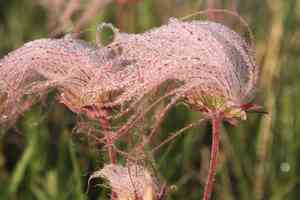
Geum triflorum, a species within the Rosaceae family, can be successfully multiplied through seed propagation. Cultivators ought to plant the seeds in soil that drains efficiently, given that Geum triflorum thrives in damp yet not saturated conditions. A valuable recommendation for successful propagation involves subjecting the seeds to cold stratification prior to planting; this process mimics winter temperatures to overcome dormancy and enhance sprouting rates. Following sowing, ensure continuous hydration and adequate illumination, steering clear of direct sunlight until the young plants are firmly rooted. Subsequently, carefully relocate the nascent plants to prevent damage to their fragile root systems.
Optimal Time for Prairie Smoke Propagation
Propagation Method
Seeding
Propagation Period
Spring
Tools for Prairie Smoke Propagation
Seed Trays with Drainage Holes
Seed trays featuring adequate drainage holes are crucial for initiating prairie Smoke seeds. These holes prevent water accumulation, which can cause seed decay, ensuring a healthy start for young plants. Trays should be shallow and wide to accommodate initial root spread.
Fine-Grained Seed Starting Mix
A fine-textured seed starting mix is vital for prairie Smoke, enabling delicate new roots to easily penetrate the soil. This specialized blend helps maintain moisture balance and supplies essential nutrients for early germination and growth stages.
Misting Bottle
A misting bottle is essential for gently watering prairie Smoke seeds without disturbing their position. Direct water streams can dislodge or bury seeds too deeply, but a fine mist provides necessary hydration, promoting germination without harm.
Grow Lights
For indoor propagation or low-light conditions, grow lights are beneficial, providing prairie Smoke with the full spectrum light needed for robust seedling development. Sufficient light prevents plants from becoming leggy and weak, supporting healthier growth.
Heating Mat
A heating mat is particularly useful for prairie Smoke, as it helps maintain a consistent soil temperature, critical for optimal germination rates. Since germination can be slow and temperature-dependent, the heating mat ensures an ideal environment for seed sprouting.
Labels and Marker
Labels and markers are simple yet vital tools for tracking prairie Smoke propagation progress. Proper labeling aids in monitoring developmental stages and applying appropriate care for different plant trays at various growth phases.
How to Propagate Prairie Smoke?
Propagation Type
Simple
Caring for Newly Propagated Prairie Smoke
Caring for Newly Propagated Prairie Smoke
Post-propagation, prairie Smoke plants require full sun to partial shade and well-drained soil. Regular watering aids in establishing young plants, but once mature, prairie Smoke is drought-tolerant. Mulching can help retain soil moisture and keep roots cool. Deadheading is unnecessary as prairie Smoke's seed heads are ornamental, but dividing clumps in spring or fall can maintain plant vigor.
Common Mistakes to Avoid When Propagating Prairie Smoke
Overwatering
Excessive watering can lead to root rot in prairie Smoke, as it prefers well-drained soil. Too much moisture around the roots can foster fungal diseases and negatively impact the growth of new plants.
Deep planting
Planting prairie Smoke seeds or divisions too deeply can result in poor germination and weak growth. Prairie Smoke's seeds require light for effective germination, and its roots need adequate oxygen exchange.
Overcrowding
Overcrowding can restrict air circulation and light exposure for prairie Smoke, increasing the likelihood of disease and competition for nutrients, which hinders overall propagation success.
Tips For Propagating Prairie Smoke
Stratification
Stratification can enhance prairie Smoke germination rates by mimicking the natural conditions dormant seeds experience before sprouting. This process involves cold treating seeds prior to sowing to break their dormancy.
Light exposure
Providing adequate light exposure for seeds is crucial for successful prairie Smoke propagation. Ensure seeds are sown on the soil surface or lightly covered with soil to facilitate germination.
Soil preparation
Preparing well-draining soil is essential for prairie Smoke to prevent waterlogging and diseases. Incorporate organic matter to ensure fertility and good moisture retention while still allowing excess water to drain away.



