How to Propagate Showy gentian?
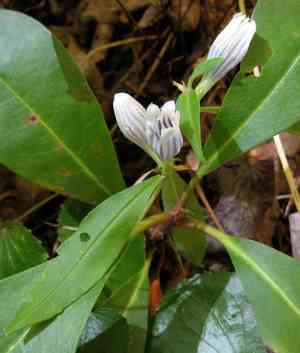
Gentiana decora, a perennial herbaceous plant, is recognized for its vibrant blue blossoms. Its reproduction primarily occurs through planting seeds in a soil mixture that drains effectively and is rich in organic matter. It's crucial to keep the seeds damp and lightly covered. Sprouting may take time, so perseverance is key. Employing recently harvested seeds enhances the likelihood of successful germination. Prevent excessive density to foster robust development. Consistent, gentle irrigation is recommended until the young plants are well-rooted.
Optimal Period for Showy Gentian Propagation
Propagation Method
Seeding
Propagation Period
Spring
Tools Required for Showy Gentian Propagation
Seed Tray
An essential item for sowing showy gentian seeds, offering a controlled setting for germination and initial growth before transplanting.
Seed Starting Mix
A premium, well-draining seed starting mix is vital. The correct blend ensures adequate moisture retention while preventing waterlogging, which is especially important for successful showy gentian germination.
Heat Mat
A heat mat assists in maintaining a steady and ideal temperature, encouraging quicker and more uniform germination of showy gentian seeds.
Humidity Dome
A humidity dome traps moisture, creating a greenhouse effect, which provides the high humidity necessary for showy gentian germination. It also helps shield seeds from external temperature shifts.
Sieve
Using a sieve to gently cover sown seeds with a thin layer of fine soil or sand is beneficial for showy gentian. This ensures good seed-to-soil contact and proper light penetration, crucial for germination.
Watering Can with Fine Rose
A watering can equipped with a fine rose allows for gentle irrigation, minimizing disturbance to the delicate showy gentian seeds and ensuring they stay adequately hydrated.
Seed Dibber
A seed dibber aids in creating small, uniform holes in the soil for sowing showy gentian seeds at the correct depth, ensuring consistent germination rates.
Plant Labels
Plant labels are crucial for tracking the various stages and types of showy gentian being propagated. Accurate labeling helps in monitoring progress and managing care.
Grow Lights
Grow lights are important if natural light is insufficient. They ensure that showy gentian seedlings receive ample light for healthy growth and development, especially during short winter days.
How to Propagate Showy Gentian
Propagation Type
Simple
Caring for Your Newly Propagated Showy Gentian
Caring for Your Newly Propagated Showy Gentian
Post-propagation, continue to water showy gentian regularly, particularly during dry spells, ensuring the soil stays moist but not waterlogged. Apply mulch around the plant bases to conserve moisture and deter weeds. Fertilize sparingly with a balanced, slow-release fertilizer in early spring to support robust growth. Monitor for any signs of pests or diseases, and address issues promptly to maintain healthy plants.
Common Propagation Errors to Avoid with Showy Gentian
Overwatering
This can lead to root rot, which impairs the plant's ability to absorb nutrients and water, ultimately causing its demise.
Improper Soil Mix
Using a soil mix that retains too much moisture or is too dense can suffocate the roots, leading to poor growth and root diseases.
Incorrect Light Conditions
Providing too little light can result in weak, elongated growth, while excessive direct sunlight can scorch the leaves.
Skipping Sterilization
Not sterilizing tools and pots before use can introduce pathogens, which can cause diseases and significantly reduce propagation success.
Neglecting Temperature Requirements
Failing to maintain the appropriate temperature can slow down germination and growth, or even kill the plant if conditions are too extreme.
Tips For Propagating Showy Gentian
Use Well-draining Soil
Opt for a sandy or loamy soil mix to prevent waterlogging and promote healthy root growth.
Maintain Optimal Moisture Levels
Water the plant moderately, ensuring the soil remains consistently moist but not soggy.
Provide Indirect Sunlight
Place the plant in a location with bright, indirect sunlight to promote healthy growth, avoiding direct exposure that can cause leaf burn.
Sterilize Tools and Pots
Always sterilize your propagation equipment to minimize the risk of bacterial or fungal infections.
Monitor Temperature
Keep the propagation environment within the ideal temperature range for successful germination and growth, typically avoiding extreme cold or heat.



