How to Propagate Salal?
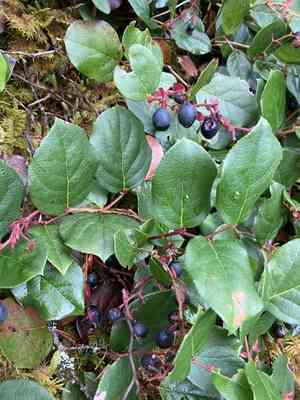
Salal is most effectively multiplied via cuttings in the warmer periods, particularly spring and summer. Its propagation presents a moderate challenge. Evidence of successful propagation is indicated by root formation, and maintaining adequate moisture is vital for prime development.
Optimal Period for Salal Propagation
Propagation Method
Cutting
Propagation Season
Spring, Summer
Tools Required for Salal Propagation
Sharp Pruning Shears
Crucial for making precise cuts on salal stems, sharp pruning shears minimize harm to both the parent plant and the cutting. A clean incision aids in faster callus formation and lowers infection risk, thereby boosting successful rooting.
Rooting Hormone
Stimulates root development in salal cuttings by supplying essential auxins that foster root cell growth. This enhances the success rate of salal propagation by improving root initiation and the plant's overall viability after separation from the parent.
Sterile Potting Mix
Utilizing a sterile potting mix prevents contamination and disease in new salal cuttings. A blend that offers good drainage while retaining sufficient moisture creates an ideal setting for root development, vital for salal's propagation success.
Plant Pots with Drainage Holes
These containers offer space for salal cuttings to establish roots while allowing excess water to escape, preventing issues like root rot. Proper drainage is necessary to maintain the correct moisture balance for healthy rooting in salal.
Humidity Dome or Plastic Bag
Maintaining elevated humidity around salal cuttings is critical to prevent excessive water loss through transpiration, especially before roots can absorb water. A dome or plastic bag creates a mini-greenhouse effect, keeping humidity levels high.
Heating Mat (Optional)
Supplying gentle warmth from below can improve the rooting success of salal cuttings by fostering a favorable environment for root growth. While not always essential, a heating mat can be particularly useful in colder climates or seasons.
How to Propagate Salal?
Propagation Method
Cutting
Difficulty Level
Moderately Challenging
Caring for Your Newly Propagated Salal
Caring for Your Newly Propagated Salal
Post-propagation, salal plants require consistent watering to keep the soil moist, but avoid overwatering. They thrive in partially shaded to shaded locations and benefit from a mulch layer to retain moisture and cool roots. Fertilize salal in early spring with a balanced, slow-release fertilizer. Prune unruly or overgrown branches in late winter to maintain shape and encourage denser growth. Shield from extreme temperatures and drying winds.
Common Errors to Avoid When Propagating Salal
Improper stem cutting selection
Choosing stems that are either too young or too mature for cuttings can result in poor rooting and establishment. Young stems may lack sufficient stored energy for root development, while older stems might be too woody and less capable of generating new roots.
Disregarding humidity requirements
Failing to maintain a high humidity environment for salal's cuttings can cause them to dry out before roots can form. This issue can lead to a complete loss of propagation material.
Excessive watering
Overwatering the cuttings or soil can lead to root rot and fungal infections. This error can destroy new root formations and ultimately kill the cutting before it successfully establishes.
Underestimating light needs
Providing insufficient light for salal cuttings can result in weak, elongated growth, which can compromise the plant's overall vigor and ability to establish once planted out.
Neglecting soil conditions
Using soil that drains poorly or lacks organic matter can hinder the root growth of salal, leading to poor development or death of the cutting.
Tips For Propagating Salal
Stem cutting selection
Choose semi-hardwood stem cuttings that are neither too young nor too old. These have the best chance of rooting successfully and should be taken from healthy, disease-free mother plants.
Humidity control
Maintain high humidity around salal's cuttings during the rooting process by using a humidity dome or plastic bag over the propagation environment, ensuring ventilation to prevent fungal growth.
Water management
Water the cuttings or soil carefully to ensure dampness without saturation. Regular monitoring of soil moisture will support healthy root development without the risk of rot.
Appropriate lighting
Provide salal cuttings with bright, indirect light. Adequate light is essential for photosynthesis and growth, but direct sunlight can be too intense and lead to desiccation or burn.
Soil preparation
Prepare a well-draining, fertile soil mix rich in organic matter for salal's cuttings to promote healthy root development and provide a strong foundation for future growth.



