How to Propagate Black ash?
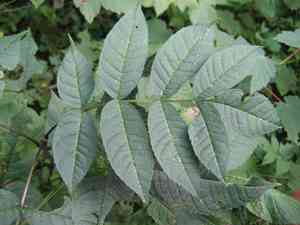
Fraxinus nigra can be multiplied via dormant stem sections, aerial layering, and planting seeds in the fall and winter seasons. The ease of propagation differs, yet indicators of successful multiplication encompass fresh shoots and root formation. Recommendations involve guaranteeing adequate drainage, utilizing a rooting hormone compound, and preventing excessive watering.
Optimal Period for Black Ash Propagation
Propagation Method
Cutting
Propagation Period
Autumn,Winter
Tools Required for Black Ash Propagation
Sharp Pruning Shears
Utilized for taking cuttings from black ash, sharp blades ensure clean cuts, minimizing harm to the parent plant and enhancing cutting vitality.
Rooting Hormone
Promotes root formation in black ash cuttings, boosting the propagation success rate.
Sterilization Agent (e.g., Alcohol, Bleach Solution)
Prevents disease transmission by sanitizing tools before cutting black ash, ensuring cuttings are pathogen-free.
Propagation Trays with Dome
Maintains elevated humidity and a controlled environment for black ash cuttings, essential for their survival and root development.
Perlite or Vermiculite
Soil mix additives, providing aeration and moisture retention, crucial for the delicate roots of black ash to develop.
Heating Mats
Provides consistent bottom warmth to black ash cuttings if needed, encouraging faster root growth, especially in cooler temperatures.
Grow Lights
Supplies sufficient light for black ash cuttings in the absence of natural lighting conditions, supporting photosynthesis and healthy growth post-cutting.
Post-Propagation Care for Your Black Ash
Post-Propagation Care for Your Black Ash
After successful propagation, ensure black ash establishes well by providing consistent moisture, keeping the soil damp but not saturated. Position in a location with full sun to partial shade. Protect from harsh weather and pests. As black ash matures, prune to maintain shape and remove any dead or diseased branches.
Common Errors to Avoid When Propagating Black Ash
Excessive Watering
Too much moisture can lead to root rot in black ash, resulting in poor root development or plant demise.
Incorrect cutting selection
Using non-viable or diseased material for cuttings can hinder black ash propagation efforts due to poor rooting or infection spread.
Neglecting cleanliness
Not sterilizing propagation tools can introduce pathogens to black ash cuttings, impeding growth or causing disease.
Inappropriate soil mix
A soil mix that doesn't drain well can retain excess moisture, which is detrimental to the root health of black ash.
Planting cuttings too deep
Inserting cuttings too far into the substrate can reduce oxygen availability, which is vital for the rooting of black ash.
Advice for Propagating Black Ash
Correct cutting selection
Choosing healthy, disease-free shoots increases the likelihood of successful rooting for black ash.
Application of rooting hormones
Applying rooting hormones to the cutting bases can stimulate root production in black ash, improving propagation success.
Maintaining optimal humidity
Keeping humidity levels high around black ash cuttings helps prevent desiccation while roots develop.
Sterilize equipment
Using sterilized cutting tools minimizes the risk of disease transmission to black ash during propagation.
Well-draining substrate
Employing a well-draining soil mix supports root growth and prevents waterlogging for black ash.
Appropriate cutting depth
Planting black ash cuttings at the correct depth ensures sufficient support and access to oxygen.



