How to Propagate Dwarf morning glory?
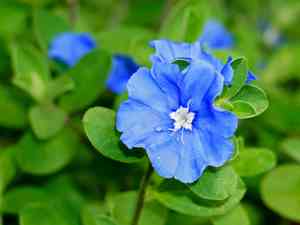
The most effective method for propagating dwarf morning glory involves planting seeds during the spring season. This propagation process is straightforward, with the appearance of young plants signifying successful germination. Dwarf morning glory flourishes when its seeds are planted in soil that drains efficiently and receives abundant solar exposure.
Optimal Time for Dwarf Morning Glory Propagation
Propagation Type
Sowing
Propagation Season
Spring
Tools for Dwarf Morning Glory Propagation
Seed trays
Seed trays are perfect for starting dwarf morning glory from seed, allowing numerous seeds in a small area. Their shallow design ensures seeds aren't planted too deep, which is good for dwarf morning glory's small seeds that need light to sprout.
Sterile Seed Starting Mix
Sterile seed starting mix offers a clean, balanced environment for dwarf morning glory seeds, lowering the chance of diseases that can harm seedling growth. It's light and drains well, preventing waterlogging, which can be bad for dwarf morning glory seedlings.
Misting Bottle
A misting bottle gently keeps the soil moist without disturbing dwarf morning glory's tiny seeds. Consistent watering is crucial for the delicate seedlings that emerge.
Heat Mat
A heat mat helps keep the soil at a steady, ideal temperature, leading to faster and more reliable dwarf morning glory germination. Consistent temperatures are key for even seedling development.
Grow Lights
Grow lights are vital for providing enough light when propagating dwarf morning glory indoors. This ensures young seedlings get the necessary light intensity for healthy growth, especially if natural light is insufficient.
Dibber or Toothpick
A dibber or toothpick can make small holes in the soil for planting dwarf morning glory seeds. These tools help plant seeds at the right depth, gently place them, and assist in moving tiny seedlings if needed.
Labels or Markers
Labels or markers are essential for tracking dwarf morning glory's progress from planting to transplanting. They help identify the species and monitor germination and growth stages.
How to Propagate Dwarf Morning Glory
Propagation Type
Sowing
Difficulty Level
Easy
Caring for Newly Propagated Dwarf Morning Glory
How to Care for Your Newly Propagated Dwarf Morning Glory?
Once dwarf morning glory has been successfully propagated, continue to care for the plant by providing full to partial sunlight exposure for optimal growth. Water regularly, but allow soil to dry slightly between watering to prevent root rot. Fertilize lightly with a balanced liquid fertilizer every 4-6 weeks during the growing season. Prune as necessary to maintain the desired shape and size. Protect dwarf morning glory from frost and extreme cold, as it prefers a warmer climate.
Common Propagation Mistakes for Dwarf Morning Glory
Overwatering
Excessive watering of dwarf morning glory can lead to root rot and fungal issues. These plants need well-draining soil and moderate moisture.
Too deep planting
When propagating dwarf morning glory from cuttings or seeds, planting them too deep can hinder germination or rooting, as they require light for these processes.
Overcrowding
Planting dwarf morning glory too close together restricts air circulation and sunlight, which are crucial for healthy growth, resulting in stunted plants and increased disease risk.
Neglecting hygiene
Failing to sterilize propagation tools can introduce pathogens, which may infect dwarf morning glory and impede successful propagation.
Ignoring soil composition
Dwarf morning glory requires well-draining soil to thrive. Using heavy or clay-rich soil can retain too much moisture, negatively impacting root health.
Tips For Propagating Dwarf Morning Glory
Softwood cuttings
Using softwood cuttings during dwarf morning glory's early growth stages ensures a higher rooting success rate because the cuttings are more flexible and have greater growth potential.
Bottom heat
Providing gentle bottom heat can encourage root development when propagating dwarf morning glory from cuttings, as consistent warmth supports root growth.
Moderate watering
Maintaining balanced moisture levels helps dwarf morning glory cuttings root without rotting; allowing soil to dry slightly between waterings is recommended.
Well-draining soil
Using a potting mix that promotes good drainage is crucial for dwarf morning glory propagation to prevent waterlogging and root rot.
Rooting hormone
Applying rooting hormone to the cut ends of dwarf morning glory cuttings can accelerate root formation and improve propagation success rates.



