How to Propagate African milk tree?
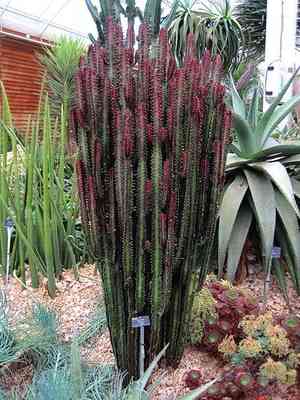
The African milk tree is most effectively multiplied via cuttings throughout the warmer periods of Spring and Summer. While somewhat challenging, successful propagation is evidenced by fresh development and robust stalks. Exercising caution with its poisonous latex is essential for personal safety.
Optimal Period for African Milk Tree Propagation
Propagation Method
Cuttings
Propagation Period
Spring, Summer
Essential Tools for African Milk Tree Propagation
Sharp Pruning Shears
Pruning shears are crucial for making clean cuts on african milk tree stems without crushing or harming the plant tissue. A sharp blade ensures a smooth incision that heals quickly, minimizing infection risk and aiding successful propagation.
Protective Gloves
Given african milk tree's toxic sap, protective gloves are necessary to prevent skin irritation or allergic reactions during handling and cutting. Nitrile gloves offer chemical resistance and good dexterity.
Rubbing Alcohol or Disinfectant
Sanitizing pruning shears with rubbing alcohol or a disinfectant before use helps prevent disease transmission between plants. This is vital for maintaining african milk tree's health during propagation.
Clean Pots with Drainage Holes
African milk tree needs well-draining pots to avoid waterlogging, which can cause root rot during propagation. Pots with drainage holes allow excess water to escape, promoting healthy root development.
Sterilized Potting Mix
Using a sterile cactus or succulent potting mix reduces the risk of soil-borne diseases affecting african milk tree. A well-draining mix also supports strong root development by providing optimal aeration and moisture.
Rooting Hormone (Optional)
Applying rooting hormone to the cut end of african milk tree stems can boost root development and increase propagation success. While not mandatory, it can be particularly helpful for encouraging reluctant cuttings to root.
Plastic Bags or Propagation Domes
Enclosing african milk tree cuttings in a plastic bag or propagation dome creates a humid environment conducive to root growth. These tools help maintain consistent moisture levels around the cuttings, which is important for successful rooting.
How to Propagate African Milk Tree?
Propagation Method
Cuttings
Difficulty Level
Easy
Caring for Your Newly Propagated African Milk Tree
Caring for Your Newly Propagated African Milk Tree
Water african milk tree sparingly, as it tolerates drought and is susceptible to root rot from too much moisture. Provide bright, indirect light, avoiding harsh direct sun that can scorch leaves. Maintain warm temperatures, as african milk tree is not cold-hardy. Fertilize only during the growing season with a diluted, balanced liquid fertilizer formulated for cacti and succulents. Avoid wetting the leaves to prevent disease, and ensure good air circulation around the plant. Repot every two to three years to refresh the soil and accommodate growth.
Common Errors to Avoid When Propagating African Milk Tree
Overwatering after cutting
After taking african milk tree cuttings for propagation, immediate watering can lead to rot. African milk tree cuttings require time for the cut surface to callous before any moisture is introduced.
Using dull or dirty cutting tools
Cutting african milk tree with dull or unsterilized tools can damage the parent plant and the cutting, potentially leading to infection and poor growth.
Incorrect cutting technique
Taking too small a cutting, or cutting in a way that harms the nodes where new roots emerge, can impede successful african milk tree propagation.
Neglecting to provide proper light
After planting, african milk tree needs ample indirect light. Without it, the new plant may become etiolated (stretched out) and weak.
Tips For Propagating African Milk Tree
Allow cuttings to dry
After taking a cutting, let the cut end of african milk tree dry and form a callous for a few days before planting to prevent rot.
Use sharp, clean tools
Always cut african milk tree with sharp and sterilized tools to ensure a healthy, clean cut, reducing the risk of disease and stress to the plant.
Cut at the right spot
Take african milk tree cuttings from a healthy part of the plant that is at least 3-6 inches long, ensuring the cut is made above a node to facilitate rooting.
Provide ample indirect light
Once the african milk tree cutting is planted, place it in a location with bright, indirect sunlight to promote robust growth.



