How to Propagate Jounama snow gum?
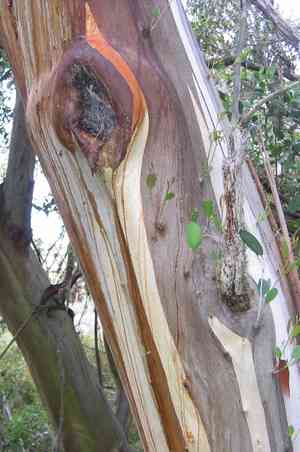
Jounama snow gum flourishes in adequately drained substrates, favoring colder surroundings. Reproducing via cuttings entails choosing robust, semi-lignified shoots. Employing rooting stimulant can hasten root development. Sustain steady hydration without saturation to foster successful root growth. For peak performance, offer a protected spot to shield nascent cuttings from harsh solar exposure and powerful air currents. Consistent observation and careful manipulation will guarantee the finest results when propagating jounama snow gum.
Optimal Time for Jounama Snow Gum Propagation
Propagation Method
Cutting
Propagation Period
Autumn,Winter
Tools for Jounama Snow Gum Propagation
Sharp Pruning Shears
For harvesting jounama snow gum cuttings. Clean cuts minimize harm to the parent plant and reduce disease risk.
Rooting Hormone
To stimulate root development on jounama snow gum cuttings. Accelerates and improves the success of root formation.
Clean Pots or Trays
For planting the cuttings. Sterile containers help prevent disease transmission to delicate young cuttings.
Sterilized Potting Mix
A well-draining medium suitable for jounama snow gum cuttings. Ensures proper aeration and moisture for successful rooting without excessive wetness.
Heating Mat
To provide consistent warmth to jounama snow gum cuttings, especially in cooler climates. Encourages root growth by maintaining an optimal temperature.
Plastic Dome or Cloche
To maintain humidity around the cuttings. Reduces water loss and creates a favorable microenvironment for root development.
Labeling Stakes
For identifying and tracking jounama snow gum cuttings. Essential for organization and accurate record-keeping of propagation efforts.
Spray Bottle
For misting the cuttings. Keeps leaves moist without overwatering, supporting the delicate balance needed during initial rooting.
Jounama Snow Gum Propagation Difficulty
Propagation Type
Moderately Difficult
Post-Propagation Care for Jounama Snow Gum
How to Care for Your Newly Propagated Jounama Snow Gum?
Once cuttings have rooted, transfer them to individual pots with well-draining soil. Gradually introduce them to outdoor conditions by increasing sunlight exposure and decreasing humidity. Water regularly, keeping the soil slightly moist but not saturated. Ensure good air circulation to prevent fungal issues and check for pests. When plants are strong and established, they can be moved to their permanent outdoor locations.
Common Propagation Errors to Avoid with Jounama Snow Gum
Overwatering
Excessive moisture can lead to root rot, which is harmful to jounama snow gum's health. Roots require well-draining soil to prevent water accumulation.
Improper soil preparation
Jounama snow gum needs well-draining, slightly acidic to neutral soil. Heavy or clayey soils can hinder root development and plant growth.
Insufficient light
Jounama snow gum requires ample sunlight for optimal growth. Propagating in shaded areas can result in weak, leggy plants.
Neglecting temperature requirements
Jounama snow gum is adapted to specific temperatures. Exposure to extreme heat or cold can stress the plant and impede successful propagation.
Not using fresh seeds or cuttings
Old or poorly stored seeds and cuttings may have lower viability, reducing the chances of successful propagation.
Tips For Propagating Jounama Snow Gum
Use well-draining soil
Ensure the soil mix drains well, adding sand or perlite if needed. This helps prevent waterlogging and root rot.
Provide adequate sunlight
Choose a location with plenty of sunlight, as jounama snow gum thrives in bright conditions. This promotes robust, healthy growth.
Maintain appropriate temperature
Keep the temperature within the ideal range for jounama snow gum, avoiding extremes. This supports plant growth and reduces stress.
Select fresh seeds or healthy cuttings
Use fresh seeds or healthy cuttings for propagation to ensure higher viability and success rates.
Monitor watering carefully
Water sparingly and only when the topsoil feels dry. This prevents excess moisture and root rot.



