How to Propagate Matchbox bean?
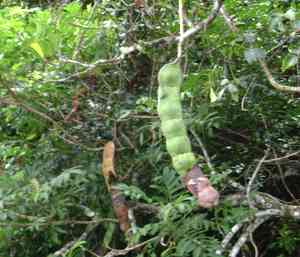
The matchbox bean, a tropical climbing plant recognized for its substantial seed casings, exhibits the capacity to flourish across diverse settings. Reproduction is generally effective via layering; a portion of the matchbox bean's stalk inserted into earth can naturally produce roots. Guarantee consistent hydration and adequately draining substrate to foster rapid root development.
Optimal Time for Matchbox Bean Propagation
Propagation Method
Cutting
Propagation Period
Spring,Summer
Tools for Matchbox Bean Propagation
Sharp Pruning Shears
Crucial for taking clean, precise matchbox bean cuttings, sharp pruning shears minimize harm to both the parent plant and the cuttings. A clean cut enhances rooting success by preventing excessive damage and potential disease entry, vital for the delicate initial stages of matchbox bean propagation.
Rooting Hormone
Applied to the cut end of the matchbox bean stem to stimulate root growth and boost propagation success. Rooting hormone contains auxins that promote root development, especially important for woody cuttings like matchbox bean, which might otherwise struggle to form roots independently.
Sterile Potting Mix
Offers a clean, pathogen-free environment essential for the healthy development of new roots. A sterile potting mix lowers the risk of soil-borne diseases affecting new matchbox bean cuttings, critical for their survival and robust growth during early stages.
Humidity Dome or Plastic Cover
Maintains high humidity around new matchbox bean cuttings, preventing moisture loss through leaves until the cutting can sustain itself with new root growth. This tool effectively creates a mini-greenhouse effect, crucial for preserving moisture levels and encouraging successful rooting.
Heat Mat
Provides gentle warmth to the base of the pot where matchbox bean cuttings are planted, encouraging root development. Heat mats are particularly beneficial for matchbox bean, which may need consistent warmth to initiate and sustain root growth, thereby increasing propagation success.
How to Propagate Matchbox Bean?
Propagation Type
Moderately Difficult
Caring for Your Newly Propagated Matchbox Bean
Caring for Your Newly Propagated Matchbox Bean
After successful matchbox bean propagation, gradually introduce the new plant to less humid conditions by progressively removing the plastic cover. Water regularly to keep the soil moist but not waterlogged. Once established, provide support for climbing, as matchbox bean is a vigorous climber. Fertilize lightly with a balanced fertilizer monthly during the growing season to support healthy growth. Regularly monitor for pests and diseases and treat promptly if necessary.
Common Errors to Avoid When Propagating Matchbox Bean
Ignoring seed hardness
The seeds of matchbox bean possess a very tough outer shell, which can hinder water absorption and germination. Failing to address seed hardness can result in very low germination rates.
Overwatering
After planting, excessive watering can lead to fungal growth or seed rot, as matchbox bean seeds are particularly vulnerable to overly moist conditions before they germinate.
Using poor soil medium
Selecting an unsuitable soil medium can impede proper root development. As matchbox bean requires well-draining soil, using a heavy, clay-rich medium can be detrimental.
Tips For Propagating Matchbox Bean
Scarification
To enhance matchbox bean germination rates, mechanical scarification of the seeds is recommended. This involves carefully nicking or sanding the seed coat to allow water to penetrate the hard outer shell.
Adequate watering
Maintain a balanced soil moisture level, ensuring it is consistently moist but not waterlogged. This supports the germination process without causing the seeds to rot.
Proper soil selection
Utilize a well-draining soil mix, ideally one rich in organic material but with sufficient sand or perlite to prevent water retention. This promotes healthy root development.



