How to Propagate Empetrum rubrum?
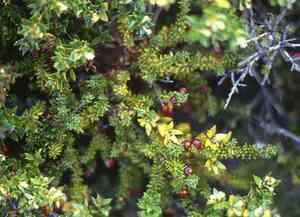
Empetrum rubrum, frequently encountered in South America, flourishes in acidic, well-draining ground. For reproduction, stem sections prove efficient. Utilize robust, semi-woody cuttings and establish their roots in damp, permeable growing media. Sustaining high humidity aids in achieving successful root formation. Refrain from excessive watering to avert decay. Implement shading if solar exposure is strong, yet guarantee sufficient illumination for development.
Optimal Period for Empetrum Rubrum Propagation
Propagation Method
Cuttings
Propagation Period
Spring,Summer
Tools Required for Empetrum Rubrum Propagation
Pruning Shears
Crucial for obtaining healthy cuttings from the parent Empetrum Rubrum. These shears ensure clean cuts, minimizing harm and lowering the chance of disease entry.
Rooting Hormone
Stimulates root growth in Empetrum Rubrum cuttings. This powdered or gel substance helps speed up root formation and boosts the likelihood of successful propagation.
Propagation Trays
Offer an ideal environment for Empetrum Rubrum cuttings to develop roots. They provide regulated conditions vital for initial growth phases and prevent overcrowding.
Growing Medium
A specialized blend, such as perlite and peat moss, guarantees proper air circulation and moisture retention for Empetrum Rubrum cuttings. It fosters healthy root development through balanced drainage and nutrient content.
Misting Bottle
Maintains appropriate moisture levels for Empetrum Rubrum cuttings. Regular misting prevents the cuttings from drying out, aiding in creating a humid environment necessary for rooting.
Heating Mat
Delivers consistent bottom warmth, beneficial for Empetrum Rubrum cuttings. It enhances root development by maintaining optimal soil temperature, especially in cooler climates.
Humidity Dome
Helps create a micro-environment with elevated humidity around Empetrum Rubrum cuttings. It prevents dehydration and reduces stress, crucial for successful rooting.
Sterilized Cutting Tools
Minimizes the risk of introducing pathogens when taking cuttings from Empetrum Rubrum. Sterilization helps maintain the cuttings' health, reducing the chance of disease transmission.
How to Propagate Empetrum Rubrum?
Propagation Type
Moderately Difficult
Post-Propagation Care for Your Empetrum Rubrum
Post-Propagation Care for Your Empetrum Rubrum
Once rooted, transfer young Empetrum Rubrum into individual pots with well-draining soil. Position them where they receive partial to full sun. Water consistently but avoid overwatering, ensuring the soil stays moist but not waterlogged. Apply a balanced fertilizer during the growing season to support robust growth. Monitor for pests and diseases, and consider mulching to retain soil moisture.
Common Errors to Avoid When Propagating Empetrum Rubrum
Overwatering
Excessive watering can lead to root rot and fungal infections, severely impeding the plant's growth and propagation success.
Incorrect Soil Composition
Using soil that holds too much moisture or lacks proper drainage can suffocate the roots and result in poor growth conditions.
Insufficient Light
Failure to provide adequate light can result in weak, leggy plants that are not strong enough to propagate successfully.
Neglecting pH Levels
Not monitoring the soil pH can cause nutrient imbalances, impacting the health and propagation efficiency of the plant.
Ignoring Pests
Overlooking pest control can lead to infestations that damage the plant and reduce its ability to propagate.
Advice for Propagating Empetrum Rubrum
Well-Draining Soil
Utilize a soil mix that ensures good drainage to prevent root rot and provide an ideal growing medium for the plant.
Moderate Watering
Water the plant moderately, ensuring the soil remains moist but never waterlogged, to maintain optimal root health.
Consistent Light
Place the plant in a location where it receives consistent, indirect sunlight to promote healthy growth and development.
PH Monitoring
Regularly check and maintain the soil pH within the slightly acidic to neutral range to support nutrient uptake and overall plant health.
Pest Management
Implement regular pest control measures, such as using organic or chemical controls, to prevent infestations that could harm the plantâs growth.



