How to Propagate Paperbush?
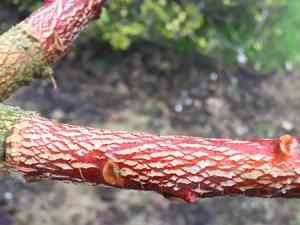
The most effective ways to propagate Paperbush are through cuttings and layering, ideally performed in the fall and winter seasons. This plant presents a moderate challenge for propagation. Indicators of successful propagation include the emergence of new shoots and the development of roots on the cuttings. Ensuring adequate humidity levels will yield the best outcomes.
Optimal Period for Paperbush Propagation
Propagation Method
Cutting
Propagation Season
Autumn,Winter
Essential Tools for Paperbush Propagation
Sharp pruning shears
These instruments are utilized to achieve precise cuts on paperbush stems, minimizing plant tissue damage. A clean incision helps deter disease and promotes superior rooting.
Rooting hormone powder or gel
This substance is applied to the severed end of the stem cutting to stimulate root development and enhance the likelihood of successful paperbush propagation.
Sterile potting mix
A soilless medium offers a pathogen-free environment to avert illness and supports the growth of new roots in paperbush cuttings.
Propagation tray or pots
These containers hold the sterile growing medium and provide an appropriate setting for paperbush cuttings to establish roots. They must have adequate drainage.
Plastic cover or propagator
Maintaining elevated humidity is vital for cutting propagation. A plastic cover or propagator creates a microclimate with the necessary humidity levels for paperbush.
Heating mat (optional)
For cuttings that benefit from warmth at the base, a heating mat can supply consistent heat, potentially accelerating root development in paperbush.
Misting bottle
Used to preserve the moisture around paperbush cuttings, particularly important for preventing leaf dehydration while roots are forming.
Sharp knife or scalpel
This implement is perfect for taking smaller or more accurate cuttings from paperbush, where clean cuts are crucial for encouraging healing and reducing infection.
Post-Propagation Care for Your Paperbush
Post-Propagation Care for Your Paperbush
Once paperbush cuttings have rooted, indicated by gentle resistance when tugged, gradually introduce them to drier conditions over a week before moving them to individual pots with standard potting mix. Position the young plants in a bright spot, away from direct sunlight, and water consistently, keeping the soil moist but not waterlogged. As paperbush prefers a sheltered location, shield the young plants from strong winds. When the plants are established and exhibit new growth, fertilize monthly with a balanced liquid feed during the growing season.
Common Errors to Avoid During Paperbush Propagation
Overwatering
Excessive watering can cause root rot in paperbush, hindering the plant's ability to develop a healthy root system post-propagation. Too much moisture reduces oxygen in the soil, leading to root suffocation and decay.
Using old or diseased cuttings
Propagating paperbush with unhealthy or aged cuttings can lead to poor growth or failure to root. Diseased cuttings can also transmit pathogens to new plants.
Ignoring soil conditions
Employing an unsuitable soil type can negatively impact the rooting process of paperbush cuttings. Poorly draining soil affects root growth, and nutrient deficiency can weaken the plant's overall vitality.
Neglecting humidity control
Failure to maintain proper humidity levels can cause paperbush cuttings to lose moisture and fail to root. Adequate humidity is essential for supporting new growth and preventing desiccation.
Planting cuttings too deep
Inserting paperbush cuttings too far into the soil can cause them to rot before they can establish roots. It is crucial for a portion of the cutting to be exposed to air.
Advice for Propagating Paperbush
Appropriate watering
Water paperbush cuttings moderately, allowing the soil to dry slightly between waterings, which helps prevent root rot and encourages healthy root development.
Healthy cutting selection
Select robust, disease-free cuttings from the current or previous year's growth of paperbush, as these are more likely to root successfully and mature into strong plants.
Soil preparation
Utilize a well-draining, fertile soil mix for paperbush cuttings to promote good root growth without the risk of waterlogging.
Humidity management
Maintain a high humidity environment for paperbush cuttings by using a humidity dome or regular misting to prevent water loss from leaves and to support new root formation.
Correct planting depth
Plant paperbush cuttings at an appropriate depth, ensuring that only the lower third or half of the cutting is buried in the medium, with several nodes above the soil surface for optimal rooting and growth.



