How to Propagate Blacksamson echinacea?
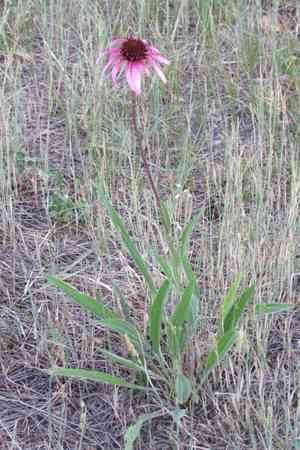
Blacksamson echinacea flourishes when reproduced through seeding. To achieve successful sprouting, confirm the utilization of new seeds, as aged seeds might not sprout effectively. Create a growing medium that drains properly and sustain steady dampness without saturating the soil. The seeds ought to be lightly veiled with earth since they need some illumination for peak germination. Careful handling and limited disruption will foster more robust root growth.
Optimal Period for Blacksamson Echinacea Propagation
Propagation Method
Seeding
Propagation Period
Spring
Tools Utilized in Blacksamson Echinacea Propagation
Seed trays
Seed trays are vital for planting blacksamson echinacea seeds in a regulated setting. These containers enable uniform seed distribution and efficient space utilization. They also facilitate easy monitoring and management of moisture levels, which is crucial for blacksamson echinacea germination. The trays should feature fine drainage holes to prevent waterlogging, which can cause root diseases in blacksamson echinacea.
Fine sieved potting mix
Employing a fine sieved potting mix ensures that the small blacksamson echinacea seeds make good contact with the soil, enhancing water absorption and germination rates. The fine texture also prevents seeds from being buried too deeply, which can hinder sprouting. This mix should be lightly compacted to maintain air circulation and soil structure.
Misting bottle
A misting bottle is perfect for gently watering blacksamson echinacea seeds without disturbing them. The fine spray provides consistent moisture, essential for seed germination, while minimizing the risk of washing away or burying seeds too deeply. Consistent moisture levels can significantly improve the germination success of blacksamson echinacea.
Heat mat
A heat mat encourages blacksamson echinacea germination by maintaining a steady soil temperature. Blacksamson echinacea seeds benefit from a warm environment to stimulate sprouting. The mat should be regulated to prevent overheating, ensuring an optimal temperature range is consistently maintained.
Grow lights
Grow lights are advantageous for blacksamson echinacea seedlings, particularly if natural sunlight is insufficient. These lights help mimic natural light conditions, promoting healthier growth and preventing seedlings from becoming leggy. Adjustable settings on grow lights allow for control over light intensity and duration, adapting to the specific needs of blacksamson echinacea as it develops.
How to Propagate Blacksamson Echinacea?
Propagation Difficulty
Simple
How to Care for Your Newly Propagated Blacksamson Echinacea?
How to Care for Your Newly Propagated Blacksamson Echinacea?
Blacksamson echinacea thrives in full sun and well-draining soil. Consistent watering is crucial, especially during extended dry periods. Mulching can help retain moisture and suppress weeds. To encourage a strong, bushier plant, consider removing spent flowers. Be aware of potential diseases like powdery mildew and pests such as aphids, addressing them promptly with suitable organic or chemical treatments.
Common Mistakes to Avoid When Propagating Blacksamson Echinacea
Overwatering
Excessive watering can lead to root rot in blacksamson echinacea, which is particularly sensitive to waterlogged conditions. This error can impede root development and growth, ultimately affecting the plant's overall health and survival.
Deep planting of seeds
Planting blacksamson echinacea seeds too deeply can prevent them from germinating due to insufficient light exposure and potential difficulty in breaking through the soil surface. Correct seed depth is vital for successful germination.
Ignoring stratification
Blacksamson echinacea seeds require a period of cold stratification to break dormancy. Neglecting this step can result in very low germination rates, delaying or preventing the propagation process.
Tips For Propagating Blacksamson Echinacea
Cold stratification
To ensure successful germination, blacksamson echinacea seeds should undergo a period of cold stratification. This process mimics natural winter conditions, helping to break seed dormancy and promote sprouting.
Light soil cover
When sowing blacksamson echinacea seeds, cover them lightly with soil. Since they require some light to germinate, a heavy soil cover can prevent germination, so a thin covering is ideal.
Moderate watering
Blacksamson echinacea benefits from consistent, moderate watering, especially during germination and early growth stages. Ensure the soil is moist but not waterlogged to support healthy root development.



