How to Propagate Venus flytrap?
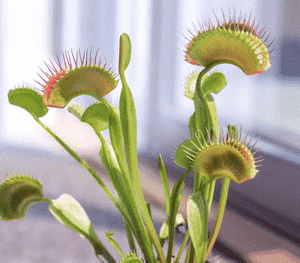
The Venus flytrap is generally multiplied by separating its parts in favorable periods such as spring and fall. Its propagation can present a moderate level of difficulty, with indicators of successful growth being fresh shoots and root development. Sufficient hydration and perseverance are crucial for achieving positive outcomes.
Optimal Period for Venus Flytrap Propagation
Propagation Type
Separation
Propagation Season
Spring, Autumn
Tools Required for Venus Flytrap Propagation
Sterile scalpel or sharp knife
These instruments are employed for precise cuts through the rhizome to divide venus flytrap plants, minimizing potential harm and exposure to disease. A sterile blade prevents the introduction of bacteria or fungi during the delicate division process.
Disinfectant (e.g., rubbing alcohol or bleach solution)
This is vital for sanitizing tools before and after use to stop the spread of pathogens. Given venus flytrap's susceptibility to rot and fungal infections, sterilization is a critical step for successful propagation.
Tweezers or forceps
These enable careful handling of venus flytrap during division without damaging the fragile traps or roots. This tool assists in placing divided sections into new growing media with minimal contact.
Peat moss-sand or peat moss-perlite mix
This specialized growing substrate offers the acidic and well-draining conditions that venus flytrap needs. Such a medium guarantees an appropriate environment for newly propagated plants to establish roots and thrive.
Plastic pots with drainage holes
These containers are essential for potting each venus flytrap division. Drainage holes are crucial to prevent waterlogging, which can be detrimental to the plant's health during propagation and acclimatization.
Humidity dome or plastic wrap
Maintaining elevated humidity is important for venus flytrap as it recovers from propagation. A dome or wrap creates a microclimate that can prevent dehydration and aid in the establishment of new growth.
How to Propagate Venus Flytrap?
Propagation Type
Division
Difficulty Level
Easy
Post-Propagation Care for Your Venus Flytrap
How to Care for Your Newly Propagated Venus Flytrap?
Following propagation, venus flytrap should be situated in an area receiving adequate light and humidity. Water with distilled or rainwater once the soil surface becomes slightly dry. During the active growth period, feed the venus flytrap with insects or a specialized fertilizer. As they originate from a subtropical habitat, maintain venus flytrap in temperatures of 70-95°F (21-35°C) during the day and 50-60°F (10-15°C) at night. Avoid fertilizing in winter and reduce watering as venus flytrap enter dormancy. Repot every few years to refresh the substrate and accommodate growth.
Common Errors to Avoid During Venus Flytrap Propagation
Overwatering
Keeping the propagation medium excessively wet can lead to root rot and fungal diseases. Venus flytrap requires a moist environment, but too much water can be harmful as it lacks the adaptive capacity for waterlogged soils.
Using tap water
Tap water frequently contains minerals and chemicals that can accumulate in the soil and harm venus flytrap. Their natural habitat is low in nutrients and minerals, making them sensitive to these additional substances.
Feeding during propagation
Attempting to feed venus flytrap during the propagation process can overwhelm and damage the developing plantlets. As carnivorous plants, they have specific feeding requirements that do not involve traditional fertilizers.
Incorrect soil mix
Using a standard potting mix can result in failure as venus flytrap requires a specific soil composition: typically a blend of peat and perlite or sand. Regular soil can be too nutrient-rich and lack proper drainage.
Neglecting humidity levels
Venus flytrap propagates best in high humidity environments. Failure to maintain such an environment can hinder rooting and growth, as venus flytrap naturally thrives in humid areas and depends on this for optimal health.
Tips For Propagating Venus Flytrap
Use rainwater or distilled water
To emulate venus flytrap's natural water source, use rain or distilled water for propagation to prevent mineral and chemical buildup that could harm the sensitive plant.
Create a high humidity environment
Utilizing a clear plastic bag or a propagation dome can help maintain the necessary high humidity for venus flytrap. This will facilitate rooting and acclimation to the growing medium.
Prepare the correct soil mix
Combine sphagnum peat moss with perlite or sand to create a suitable growing medium that ensures proper drainage and mimics venus flytrap's natural growing conditions.
Maintain a sterile environment
When propagating venus flytrap, use sterilized tools and containers to prevent the introduction of pathogens that could affect the vulnerable cuttings or seedlings.
Be patient
Venus flytrap can take longer to propagate than other plants. It requires time for cuttings to develop roots or for seeds to germinate and grow. Providing consistent care without overintervention is key.



