How to Propagate Grecian foxglove?
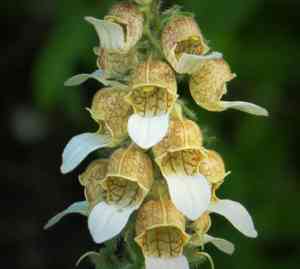
Digitalis lanata is successfully multiplied by planting seeds. For optimal sprouting, it is essential to keep the growing medium uniformly damp, avoiding oversaturation. Planting the seeds superficially will aid in appropriate root formation. The best propagation environment is well-draining, fertile soil that contains ample organic material. Ensure young plants are shielded from harsh climatic elements, offering filtered sunlight in very bright locations and sufficient warmth during colder periods.
Optimal Period for Grecian Foxglove Propagation
Propagation Method
Seeding
Propagation Period
Spring
Tools for Grecian Foxglove Propagation
Seed trays
Utilized for starting the seeding process of grecian foxglove. These trays facilitate organized sowing in separate compartments, promoting even growth and minimizing root disturbance during later propagation stages.
Peat pots
Advantageous for grecian foxglove due to their biodegradable nature. Peat pots allow direct transplanting of seedlings into the ground without disturbing the root system, which is vital for grecian foxglove's delicate roots.
Fine vermiculite or perlite
Incorporated as a soil amendment in seed trays or pots to improve drainage and aeration. This is critical for grecian foxglove, as its seeds and seedlings are vulnerable to waterlogging and fungal infections.
Misting bottle
Crucial for supplying moisture to grecian foxglove seedlings without excessive watering. The fine spray ensures gentle, even hydration of seeds, fostering better germination rates.
Heat mat
Employed to maintain an ideal soil temperature for grecian foxglove germination. Consistent warmth, particularly in cooler climates, can significantly boost germination success and the seedlings' overall growth rate.
Grow lights
These are especially helpful when propagating grecian foxglove indoors or in areas with limited sunlight. Grow lights provide the necessary light spectrum to support healthy growth and development of grecian foxglove during its initial phases.
How to Propagate Grecian Foxglove?
Propagation Type
Simple
Caring for Your Newly Propagated Grecian Foxglove
Caring for Your Newly Propagated Grecian Foxglove
Post-transplant, ensure grecian foxglove is situated in a spot receiving partial sun to mimic its natural forest environment. Maintain moderate soil moisture and apply an organic mulch layer to conserve soil moisture and temperature. Fertilize young plants with a balanced, slow-release formula to support healthy development. Regularly check for pests like aphids and treat with eco-friendly options if needed.
Common Propagation Errors to Avoid with Grecian Foxglove
Overwatering
Excessive moisture can lead to root rot and fungal diseases in grecian foxglove, diminishing the likelihood of successful propagation.
Deep planting
Planting grecian foxglove seeds or cuttings too deeply can hinder their access to essential sunlight and air, impeding germination and growth.
Ignoring soil composition
Using an unsuitable soil mix can impact water drainage and nutrient availability, critical factors for the healthy development of grecian foxglove.
Neglecting acclimatization
Failure to gradually introduce grecian foxglove to outdoor conditions can cause shock, resulting in weakened plants less likely to flourish.
Tips For Propagating Grecian Foxglove
Appropriate soil mix
Utilize a well-draining soil mix enriched with organic matter to support the root development and overall health of grecian foxglove.
Shallow planting
Sow grecian foxglove seeds on the soil surface or plant cuttings shallowly to ensure they receive adequate light and air, crucial for successful propagation.
Moderate watering
Keep the soil consistently moist but not waterlogged to provide grecian foxglove with an optimal environment for germination and rooting without risking root diseases.
Gradual acclimatization
Introduce grecian foxglove gradually to outdoor conditions if propagated indoors, to prevent shock and enhance its adaptation and survival rate in a new environment.



