How to Propagate Rock orchid?
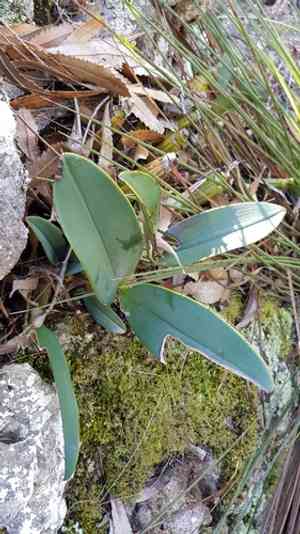
A distinguishing characteristic of the orchid lineage, rock orchid is celebrated for its impressive flower exhibitions and vigorous development. Reproduction is most effectively achieved via segmentation, which entails detaching the pseudobulbs. Cultivators ought to meticulously divide thriving clusters, making certain each fresh segment possesses a minimum of three pseudobulbs for sufficient energy stores. Employing sanitized tools is crucial to avert disease, and to plant the fresh divisions in a substrate that drains efficiently, suitable for rock orchid's epiphytic or lithophytic tendencies. Diligent post-care, encompassing proper irrigation and atmospheric moisture, will foster successful integration and subsequent flowering.
Optimal Period for Rock Orchid Propagation
Propagation Method
Separation
Propagation Season
Spring,Autumn
Tools Required for Rock Orchid Propagation
Sharp pruning shears
These are vital for making clean cuts through the rhizomes or pseudobulbs of rock orchid during division, minimizing harm and encouraging faster recovery. Sharp blades ensure precise cuts and prevent tissue tearing, which is crucial for reducing infection risk and stress to rock orchid.
Sterilizing solution (e.g., alcohol or bleach solution)
Used to sanitize pruning shears and any other instruments that come into contact with rock orchid. This prevents the spread of diseases and pathogens during the propagation process, ensuring the health and viability of new rock orchid divisions.
Potting medium specific for orchids
A well-draining, aerated potting mix suitable for orchids supports the growth of rock orchid after division. The medium should be specifically formulated to retain moisture while allowing excess water to drain quickly, mimicking rock orchid's natural habitat and promoting healthy root development.
Pots with ample drainage
Suitable for planting the new divisions of rock orchid, these containers should have excellent drainage to prevent waterlogging, which is detrimental to rock orchid's health. Ensuring proper drainage aids in maintaining an optimal moisture level around the roots, crucial for successful establishment and growth post-propagation.
Labels and a marker
Used to identify newly potted divisions of rock orchid, which helps in tracking the growth and health of each division over time. Accurate labeling is crucial for effective management and care of rock orchid during its development stages, ensuring each division receives appropriate care based on its specific needs.
How to Propagate Rock Orchid?
Propagation Type
Simple
How to Care for Your Newly Propagated Rock Orchid?
How to Care for Your Newly Propagated Rock Orchid?
Following propagation, position the rock orchid divisions in a location with bright, indirect illumination and good air circulation. Water when the potting medium begins to dry, typically every 5-7 days, depending on environmental conditions. Fertilize with a balanced orchid fertilizer every two to four weeks during the growing season. Monitor for pests and diseases, and maintain moderate temperatures to encourage healthy growth and eventual flowering.
Common Mistakes to Avoid When Propagating Rock Orchid
Overwatering
Excessive watering of rock orchid can lead to root rot, a condition detrimental to most orchids. This error creates an environment susceptible to fungal and bacterial infections, jeopardizing the plant's health and hindering successful propagation.
Poor humidity control
Failure to maintain a consistent and appropriate level of humidity can be problematic. Rock orchid thrives in moderate humidity. Too much humidity can cause fungal issues, whereas too little can lead to dehydration and poor growth.
Incorrect medium
Using an unsuitable potting medium can impede proper root development and aeration. Rock orchid requires a medium that mimics its natural growing conditions, offering good drainage and air circulation.
Contaminated tools
Using contaminated tools during propagation can spread disease to rock orchid. Sterilization is essential to prevent the introduction of pathogens that can severely affect the plant's health.
Overcrowding
Overcrowding rock orchid can lead to competition for light, space, and nutrients, affecting overall growth and the health of individual plants. Adequate space is crucial to prevent stress and promote vigorous growth.
Tips For Propagating Rock Orchid
Division method
When propagating rock orchid through division, ensure that each section has several healthy pseudobulbs to sustain growth. This helps in establishing the plant more quickly and effectively.
Hydration balance
Maintain a balance in watering routines. Rock orchid should be watered thoroughly but allowed to dry slightly between waterings to ensure the roots are not left in constant dampness, which can lead to rot.
Appropriate temperature
Ensure the temperature is consistent with rock orchid's natural habitat. Stable temperatures within the preferred range encourage healthy growth and successful propagation.
Adequate lighting
Provide bright, indirect light, as rock orchid flourishes in these conditions. Direct sunlight can be harmful, while too little light can stunt growth and hinder the propagation process.
Careful handling
Handle rock orchid with care during propagation, as damage to roots and pseudobulbs can occur easily and set back the growth of the new plant. Gentle handling is key to maintaining plant integrity.



