How to Propagate Dendrobium Noble?
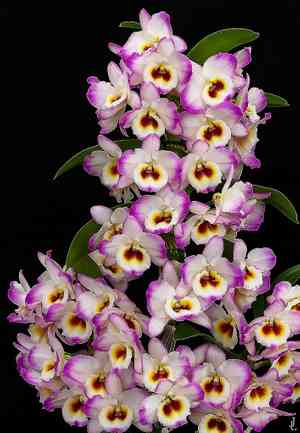
Dendrobium Noble is most effectively multiplied in the Spring and Autumn seasons through the process of division. This technique is regarded as moderately challenging, necessitating the meticulous detachment of pseudobulbs. Indicators of successful multiplication encompass the emergence of new roots and shoots. Guarantee the selection of a robust parent plant to achieve the best outcomes.
What Is the Best Time To Propagate Dendrobium Noble?
Propagation Type
Splitting
Propagation Season
Spring, Autumn
What Tools Are Used in Dendrobium Noble Propagation?
Sharp, Sterile Pruning Shears
Pruning shears are utilized to cleanly separate pseudobulbs for division propagation of dendrobium Noble. Sharp, sterile blades help prevent disease transmission and ensure precise cuts that minimize damage to the plant tissue.
Rubbing Alcohol or Bleach Solution
To sanitize pruning shears before and after use, minimizing the risk of introducing pathogens to dendrobium Noble during the propagation process. A clean cut is crucial for the prevention of infections which can jeopardize the success of propagation.
Floral or Horticultural Knife
A floral knife may be required for detailed work to divide tightly clustered pseudobulbs or to remove dead tissue from dendrobium Noble. The narrow blade is especially useful for making precise, clean cuts in confined spaces.
Tweezers or Forceps
These tools are helpful for removing any debris or pests from the small crevices within the dendrobium Noble's pseudobulbs or roots without causing unnecessary damage to the plant.
Rooting Hormone Powder or Gel
While not always necessary for dendrobium Noble, applying rooting hormone to the cut surfaces of a divided pseudobulb can encourage quicker root development and facilitate successful establishment of the new plant.
New Growing Containers
Fresh containers are essential for planting the divided sections of dendrobium Noble. They should have good drainage and be the appropriate size to accommodate the new plant's root system without being too large, which could hinder swift root growth.
High-Quality Orchid Potting Mix
An appropriate substrate is crucial for the rooting and growth of dendrobium Noble divisions. A mix designed for epiphytic orchids, with excellent drainage and aeration properties, supports healthy root development.
Watering Can with a Gentle Spout
A watering can with a fine, gentle spout allows for controlled watering of dendrobium Noble without disturbing the new divisions or the potting medium. Proper watering technique is vital for preventing rot in the delicate new roots.
How to Propagate Dendrobium Noble?
Propagation Type
Splitting
Difficulty Level
Easy
How to Care for Your Newly Propagated Dendrobium Noble?
How to Care for Your Newly Propagated Dendrobium Noble?
Maintain high humidity around dendrobium Noble and ensure that it receives bright, indirect sunlight. Water dendrobium Noble when the top inch of the potting medium is dry to the touch. Fertilize dendrobium Noble monthly with a balanced orchid fertilizer at half-strength during the growing season. Provide a temperature range between 50-70 degrees Fahrenheit at night and up to 85 degrees during the day. Ensure good air circulation around dendrobium Noble to prevent disease.
Common Mistakes to Avoid When Propagating Dendrobium Noble
Overwatering
Overhydrating dendrobium Noble during propagation can cause rot, particularly in the delicate new growths and roots. This may result in stunted growth or the death of propagules.
Inadequate humidity
Failing to provide high enough humidity can hinder dendrobium Noble's root development. This plant needs a moist environment to promote healthy root growth.
Using old media
Utilizing old or reused potting media can introduce pathogens to dendrobium Noble. Fresh sterile medium reduces the risk of disease.
Excessive handling
Frequent handling or disturbing dendrobium Noble's cuttings can damage emerging roots, prolonging the establishment phase or causing the propagation attempt to fail.
Improper cutting
Cutting the canes of dendrobium Noble improperly or at incorrect nodes can prevent new shoot development. Precise cuts are essential for the emergence of keikis (baby plants).
Tips For Propagating Dendrobium Noble
Humidity and ventilation
Maintaining high humidity and good ventilation is crucial for dendrobium Noble to form roots without rotting. This enables successful growth of new plants from cuttings.
Sterilize tools
Sterilizing cutting tools before propagation ensures that dendrobium Noble is not infected by pathogens, reducing the risk of disease during the sensitive stage of rooting.
Appropriate cutting size
Selecting a healthy cane and cutting it with at least one node increases the likelihood of successful keiki growth on dendrobium Noble.
Apply rooting hormone
Using a rooting hormone on the cut ends can stimulate root growth in dendrobium Noble, enhancing the chances of success.
Cane support
Providing support for the cane sections of dendrobium Noble during propagation can ensure that they do not topple over or become dislodged as new growths and roots develop.



