How to Propagate Hooker's cymbidium?
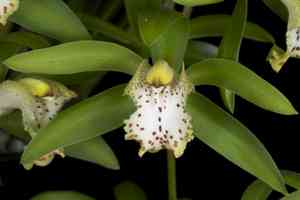
Hooker's cymbidium can be successfully multiplied by dividing its clumps, making sure each segment possesses adequate root systems. Gently detach the pseudobulbs while transplanting, ideally when the plant is not flowering. This encourages the development of stronger, more vigorous new plants, closely mirroring how hooker's cymbidium naturally reproduces in its native environment. By upholding the precise needs for illumination, hydration, and warmth, cultivators can achieve effective propagation and guarantee the robustness of the young plants.
When Is the Optimal Time to Propagate Hooker's Cymbidium?
Propagation Type
Division
Propagation Season
Spring,Autumn
What Implements Are Utilized for Hooker's Cymbidium Propagation?
Sharp, sterile knife or pruning shears
These instruments are vital for safely performing division, the primary method for propagating hooker's cymbidium. A sharp, sterile knife or pruning shears ensure clean cuts, preventing tissue damage, reducing disease risk, and promoting faster healing and regrowth.
Disinfectant for tools
Disinfecting cutting tools before and after dividing hooker's cymbidium is crucial to prevent disease transfer between plants. This practice helps maintain the overall health and vitality of the divisions.
Potting mix suitable for orchids
Hooker's cymbidium needs a specific potting mix that offers adequate drainage and aeration, essential characteristics for orchid health. A quality orchid potting mix often contains bark, perlite, and charcoal, supporting new root development post-propagation.
Pots with drainage holes
After dividing hooker's cymbidium, planting each division in a pot with proper drainage is essential. This allows excess water to escape, preventing root rot and other moisture-related problems.
How to Propagate Hooker's Cymbidium?
Propagation Type
Easy
How to Nurture Your Newly Propagated Hooker's Cymbidium?
How to Nurture Your Newly Propagated Hooker's Cymbidium?
Ensure hooker's cymbidium divisions receive bright, indirect light and consistent, moderate temperatures. Water when the potting mix starts to dry, typically weekly, and fertilize monthly with a balanced orchid fertilizer. Mist foliage regularly to maintain humidity. Once new growth appears, gradually acclimate the plant to its usual growing conditions.
Common Errors to Avoid When Propagating Hooker's Cymbidium
Overwatering
Excessive watering of hooker's cymbidium after repotting can lead to root rot due to insufficient aeration. This severely impacts plant health and may cause its demise.
Using the wrong compost mix
Propagating hooker's cymbidium in general-purpose compost can hinder root growth as it may lack the necessary drainage and nutrients for this orchid.
Not sterilizing tools
Using unsterilized tools for cutting or repotting can introduce harmful pathogens to hooker's cymbidium, resulting in disease and poor development.
Incorrect pot size
Choosing a pot that's too large can cause the potting mix to remain wet for too long, while an undersized pot won't provide enough space for root growth.
Neglecting humidity
Hooker's cymbidium requires a high humidity environment. Ignoring this need can lead to desiccation and reduced propagation success.
Advice for Propagating Hooker's Cymbidium
Mist regularly
Maintain high humidity around hooker's cymbidium by frequent misting without saturating the medium, mimicking its natural humid habitat.
Use appropriate medium
Prepare a potting mix specifically for orchids, typically including fir bark or moss, to ensure good drainage and proper root support.
Sterilize cutting tools
Always use sterilized cutting tools to divide hooker's cymbidium to prevent disease transmission and ensure healthy new growth.
Choose correct pot size
Select a pot size suitable for the division of hooker's cymbidium. It should comfortably accommodate the plant's root system without being excessively large.
Provide indirect light
Position hooker's cymbidium in a location where it can receive bright, indirect sunlight to facilitate vigorous growth without risk of sunburn.



