How to Propagate Winter squash?
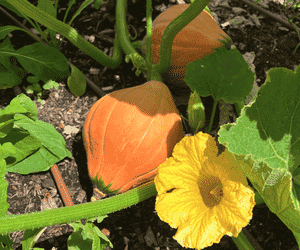
For propagating winter squash, plant seeds in the Spring when conditions are optimal. This process is quite straightforward and typically yields high germination success. Indicators of successful propagation include robust sprout development. Make sure to space seeds appropriately to prevent excessive density.
Optimal Period for Winter Squash Propagation
Propagation Method
Seeding
Propagation Season
Spring
Tools Required for Winter Squash Propagation
Seed trays or pots
Seed trays or pots are containers utilized for planting seeds individually or in small clusters. They enable precise spacing and depth management, crucial for the development of winter squash. Proper spacing helps prevent congestion and guarantees each seedling receives ample nutrients and space for root establishment.
Seed starting mix
A seed starting mix is a soilless substrate that offers a sterile, nutrient-rich environment for winter squash seeds to sprout. It is often formulated to retain moisture yet drain effectively to prevent root rot, providing an ideal balance for the initial growth of seedlings.
Watering can with a fine rose
This implement permits gentle irrigation that will not dislodge or embed winter squash seeds deeper into the soil. The fine spray emulates natural rainfall and keeps the seed starting mix moist without causing waterlogging, which is vital for seed germination.
Heat mat
A heat mat gently warms the soil, encouraging faster and more uniform germination of winter squash seeds. As temperature plays a significant role in the propagation of winter squash, this tool is especially useful in colder climates or during early spring when indoor temperatures might be too low for optimal germination.
Grow lights
Grow lights supply the necessary light spectrum for winter squash seedlings post-germination, particularly when natural light is insufficient. They are important for photosynthesis and preventing etiolation, where seedlings become weak and elongated in search of light.
Dibber or seeding tool
A dibber or seeding tool assists in creating precise holes in the seed starting mix to plant winter squash seeds at the correct depth. This ensures the seeds have adequate cover to maintain moisture and are not planted too deeply, which can hinder germination.
Misting bottle
A misting bottle is beneficial for maintaining high humidity around winter squash seedlings without over-saturating the soil. This is crucial immediately after germination when root systems are still developing, and excessive water can harm delicate new roots.
Steps to Propagate Winter Squash
Propagation Type
Sowing
Difficulty Level
Easy
Caring for Your Newly Propagated Winter Squash
Caring for Your Newly Propagated Winter Squash?
After propagating winter squash, ensure the plant receives ample sunlight and consistent watering, allowing the soil to dry slightly between waterings to prevent root rot. Utilize a balanced fertilizer to support growth. Apply mulch around the base to retain moisture and suppress weeds. Provide generous space for vines to spread, or use a trellis for space-saving and fruit support. Monitor for pests and diseases, and apply organic controls if necessary. Harvest fruits when the rind is firm and a deep, uniform color to confirm maturity.
Common Errors to Avoid When Propagating Winter Squash
Overwatering
Excessive watering of winter squash seeds or seedlings can lead to damping-off disease, root rot, and stunted growth, due to reduced oxygen availability and fungal infections.
Planting seeds too deep
Winter squash seeds planted too deeply may fail to germinate due to insufficient access to light and oxygen, potentially causing the seeds to decay.
Ignoring soil preparation
Neglecting proper soil preparation can result in poor drainage and fertility, which negatively impacts winter squash's root development and overall health.
Crowding seedlings
Overcrowding winter squash seedlings restricts airflow and nutrient availability, increasing vulnerability to pests and diseases while hindering growth.
Using unsterilized tools
Unsanitized gardening tools can introduce diseases to winter squash, leading to infection and potentially impeding propagation.
Advice for Propagating Winter Squash
Adequate seed spacing
Allowing sufficient space between seeds ensures proper air circulation, sunlight penetration, and room for growth, which is vital for the health of winter squash.
Proper depth for sowing
Sowing seeds at the correct depth (typically about four times the seed's size) facilitates proper germination and root establishment for winter squash.
Soil amendment
Enriching soil with compost or well-rotted manure improves nutrient content and drainage, providing a robust growing medium for winter squash.
Moderate watering
Providing a balanced amount of moisture helps maintain an optimal environment for winter squash's germination and growth, preventing waterlogging and drought stress.
Sterilizing tools
Sterilizing gardening tools before use reduces the risk of disease transmission, creating a healthier environment for winter squash's propagation.



