How to Propagate Cucumber?
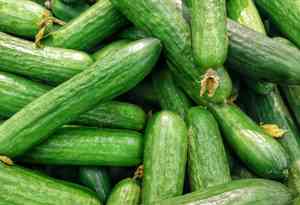
Cucumbers are primarily multiplied through seed planting, ideally in the springtime. Effective seed management and soil conditioning are essential for successful propagation. The emergence of sprouts and robust seedling development signify successful propagation.
When Is the Optimal Time to Propagate Cucumber?
Propagation Method
Sowing
Propagation Period
Spring
What Equipment Is Used in Cucumber Propagation?
Seeds of cucumber
Seeds serve as the primary means by which cucumber is propagated. They are placed in a growing medium to develop into mature plants. It is essential to utilize top-quality, disease-free seeds to ensure successful sprouting and robust seedlings.
Seedling trays or starter pots
These containers offer a secure environment for cucumber seeds to sprout. The trays typically feature individual compartments, which help prevent root intertwining, simplifying transplanting and minimizing root damage.
Seed-starting mix
This specialized soilless blend offers ideal conditions for cucumber seed germination, including good drainage, moisture retention, and a sterile environment to lessen the risk of soil-borne diseases affecting delicate seeds and young plants.
Watering can with a fine rose
Delivers gentle and uniform water distribution to moisten the seed-starting mix without displacing or burying cucumber seeds too deeply. Sufficient water is vital for seed absorption and germination.
Dibber or pencil
Utilized for creating appropriately sized holes in the growing medium for planting cucumber seeds. It ensures seeds are sown at the correct depth, which is crucial for proper germination.
Tweezers
Aid in the handling and precise placement of individual cucumber seeds, especially when seeds are small or require methodical spacing to avoid overcrowding.
Temperature control mat
Provides consistent warmth from below, mimicking optimal soil temperatures for cucumber seed germination. Stable warm conditions can boost germination rates and speed.
Humidity dome
Covers seed trays to maintain high moisture levels around cucumber seeds, reducing water loss through evaporation and creating a microclimate favorable for germination.
Grow lights
They supply the necessary light spectrum for the photosynthesis of cucumber seedlings, encouraging strong and healthy development, particularly when natural sunlight is insufficient.
Fertilizer
Once cucumber seedlings have developed true leaves, they require additional nutrients. Fertilizers formulated for seedlings provide balanced nourishment to support vigorous growth until transplanting.
How to Propagate Cucumber?
Propagation Method
Sowing
Difficulty Level
Easy
How to Care for Your Newly Propagated Cucumber?
How to Care for Your Newly Propagated Cucumber?
After propagation, regularly water cucumber to maintain consistent soil moisture and provide support structures like trellises for the vines. Monitor for pests and diseases, managing them with appropriate methods. As cucumber matures, ensure full sunlight, temperatures between 70-90°F (21-32°C), and provide a balanced fertilizer. Harvest cucumber when they reach the desired size to encourage further fruiting.
Common Mistakes to Avoid When Propagating Cucumber
Overwatering
Watering cucumber too often can lead to waterlogged soil, reducing oxygen availability to the roots. This can result in root rot and fungal diseases, compromising plant health and growth.
Planting too early indoors
Starting cucumber indoors prematurely can result in leggy seedlings due to inadequate light. Weak seedlings may struggle to thrive when transplanted outdoors.
Using poor soil mix
Planting cucumber in an inferior or unsuitable soil mix can lead to insufficient nutrient supply and drainage problems. This hinders root development and overall plant vigor.
Planting too deep
Sowing cucumber seeds too deeply can prevent successful germination, as the seed may not be able to break through the soil surface.
Neglecting to harden off
Failing to gradually acclimate cucumber seedlings to outdoor conditions can shock the plants, potentially leading to stunted growth or plant death.
Tips For Propagating Cucumber
Adequate watering
Provide cucumber with consistent moisture, but avoid excessive watering. Ensure the soil drains well to maintain a good balance of moisture and air around the roots.
Appropriate planting time indoors
Start cucumber seeds indoors 3-4 weeks before the last anticipated frost date to ensure robust, well-developed seedlings ready for transplanting.
High-quality soil mix
Use a nutrient-rich, well-draining soil mix for cucumber to promote healthy root growth and optimal plant development.
Correct seed depth
Sow cucumber seeds at the proper depth, generally 1/2 inch to 1 inch deep, to facilitate successful germination and seedling strength.
Harden off seedlings
Gradually expose cucumber seedlings to outdoor conditions over a week to help them adjust and reduce transplant shock, which encourages better growth and resilience.



