How to Propagate Bear's paw?
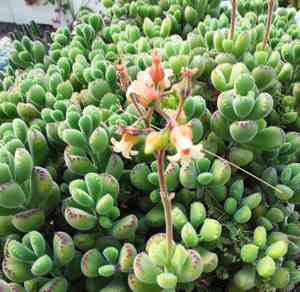
Bear's paw can be multiplied via soft stem cuttings during the prime seasons of spring and summer. This procedure presents a moderate challenge, yet indicators of successful propagation encompass fresh shoots and root formation. A crucial recommendation is to consistently employ a sanitized, keen implement when harvesting cuttings to avert harm to the source plant.
Optimal Time for Bear's Paw Propagation
Propagation Method
Cutting
Propagation Period
Spring, Summer
Tools Required for Bear's Paw Propagation
Sharp and Sterile Pruning Shears
These are vital for making clean cuts without harming the bear's paw plant's tissues. A precise cut helps avoid infection and promotes successful rooting. Shears should be sanitized between uses to prevent disease spread.
Rooting Hormone Powder or Gel
This promotes root growth when applied to the cut end of the bear's paw cutting. It contains synthetic auxins that mimic the plant's natural growth hormones, which can boost the chance of successful rooting, especially for succulents like bear's paw that might otherwise take longer to establish roots.
Well-Draining Potting Mix
A mix specifically formulated for succulents and cacti provides the necessary drainage and aeration for the bear's paw plant's roots to develop without rotting, particularly important for cuttings which are more vulnerable to excessive moisture.
Small Pots or Propagation Trays
These containers are used for planting the bear's paw cuttings after they have been treated with rooting hormone. They should have drainage holes to prevent water from accumulating at the bottom, which is crucial for the delicate new roots that will form.
Clear Plastic Bags or Propagation Domes
Maintaining high humidity around the bear's paw cutting can help prevent water loss through transpiration, while it is trying to establish roots. These tools create a mini-greenhouse effect, which helps to keep the humidity level high.
Heat Mat
Consistent and appropriate warmth from a heat mat can accelerate the speed and success rate of root formation in bear's paw cuttings. This is especially beneficial in cooler environments where ambient temperatures might not be ideal for propagation.
How to Propagate Bear's Paw?
Propagation Method
Cutting
Difficulty Level
Easy
Caring for Your Newly Propagated Bear's Paw
Caring for Your Newly Propagated Bear's Paw
Once bear's paw is established, continue to provide it with bright, indirect sunlight and water when the soil has completely dried out. Fertilize during the growing season with a diluted cactus or succulent fertilizer. Protect bear's paw from frost and excessive moisture to prevent rot. Prune as necessary to maintain shape and encourage bushier growth.
Common Mistakes to Avoid When Propagating Bear's Paw
Overwatering cuttings
Planting bear's paw cuttings in overly wet soil can lead to rot. This species is susceptible to rot if the soil lacks proper drainage or if the cuttings are not allowed to callus over properly before planting.
Deep planting
Inserting cuttings of bear's paw too deeply into the soil can cause the delicate stem to rot. Bear's paw stems need to be planted shallowly enough to prevent moisture accumulation around the base.
Ignoring light needs
Failing to provide bear's paw with sufficient light after propagation can lead to etiolation, where the plant becomes leggy and weak. Bear's paw requires plenty of bright, indirect light for optimal growth.
High humidity conditions
Bear's paw cuttings can struggle or rot in a high-humidity environment as they prefer arid conditions. Enclosing the propagated cuttings too tightly can increase fungal growth and decay.
Using unsterilized tools
Cutting bear's paw with unsterilized tools can introduce pathogens that affect the health of the cutting. This practice compromises the success rate of propagation.
Tips For Propagating Bear's Paw
Proper callusing
Allowing the cuttings of bear's paw to dry and form a callus over the cut end before planting is crucial. This process, which typically takes a few days, helps prevent rot and encourages rooting.
Well-draining soil
Using a well-draining soil mix is essential for the successful propagation of bear's paw. A mix with perlite, sand, or pumice increases drainage and aeration, reducing the risk of rot.
Shallow planting
Planting the cuttings shallowly will ensure that the base of bear's paw does not stay too moist. The cutting should be just deep enough to stand on its own and not fall over.
Gradual acclimatization
Once planted, gradually acclimatize bear's paw cuttings to their new conditions, particularly light exposure. Start with indirect light and slowly introduce them to the bright light they thrive in.
Spatial consideration
Providing enough space between bear's paw cuttings when planting will ensure proper airflow and prevent moisture buildup, reducing the risk of disease transmission between cuttings.



