How to Propagate Spiral ginger?
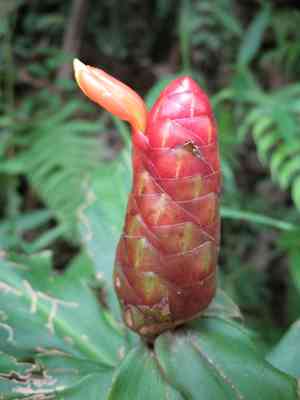
Costus spiralis is a captivating tropical flora recognized for its coiled stalks and vivid blossoms. It flourishes in adequately draining substrate and dappled light. For reproduction, utilize fresh seeds from fully developed blooms by planting them in a warm, moist setting, guaranteeing steady hydration. Keep temperatures between 70-85°F for ideal sprouting. In a matter of weeks, young plants will appear, necessitating consistent attention for robust growth.
Optimal Period for Spiral Ginger Propagation
Propagation Method
Seeding
Propagation Period
Spring
Tools for Spiral Ginger Propagation
Seed Trays or Seedling Flats
These containers are perfect for planting spiral ginger seeds. They offer a controlled setting for consistent seed sprouting and simplify managing numerous seedlings.
Sterilized Potting Soil
Employing sterilized potting soil helps prevent soil-borne illnesses that could harm delicate spiral ginger seedlings. It ensures a healthy beginning by providing a clean growth medium.
Humidity Domes
Humidity domes maintain a high moisture environment, vital for spiral ginger seed germination. They help retain dampness, reducing frequent watering needs and preventing seeds from drying.
Heat Mat
Heat mats provide consistent warmth from below, crucial for spiral ginger seed germination. This tool ensures an ideal and stable temperature, promoting quicker and more uniform sprouting.
Fine Mist Spray Bottle
A fine mist spray bottle is used to gently water seedlings without disturbing them. It allows precise control over watering, ensuring the soil stays moist but not saturated.
Plant Labels
Labeling trays or flats with the date and plant type aids in tracking spiral ginger's propagation. It helps monitor growth stages and ensures correct identification during transplanting.
Seed Starting Fertilizer
A balanced, diluted fertilizer specifically for seedlings provides essential nutrients for spiral ginger's early growth. It supports healthy root development and overall vigor.
How to Propagate Spiral Ginger?
Propagation Type
Simple
Caring for Your Newly Propagated Spiral Ginger
Caring for Your Newly Propagated Spiral Ginger?
Post-propagation, keep spiral ginger in warm, moist conditions. Water regularly to maintain consistent dampness, but avoid waterlogging. Position plants in partial shade to mimic their natural habitat. Fertilize lightly with a balanced, water-soluble fertilizer during the growing season. Regularly check for pests and diseases, and ensure good air circulation around the plants.
Common Errors to Avoid When Propagating Spiral Ginger
Overwatering
Excessive moisture can lead to root rot, which is harmful to the plant's health and can stop propagation efforts. Spiral ginger prefers well-drained soil.
Insufficient light
Placing spiral ginger in inadequate light conditions can result in weak, elongated growth. This species needs bright, indirect light to thrive and develop strong roots.
Using poor quality soil
Inferior soil can hinder proper root development. A soil mix that doesn't drain well can retain too much moisture, leading to issues like root rot.
Cutting too small segments
Taking segments that are too small can reduce their ability to root successfully. Each segment should have at least one node and a healthy portion of the stem.
Not sterilizing tools
Using unsterilized tools can introduce pathogens, leading to infections that might kill the new cuttings.
Tips For Propagating Spiral Ginger
Ensure proper drainage
Use well-draining soil and containers with drainage holes to prevent water from accumulating and causing root rot.
Provide indirect light
Place spiral ginger in a spot where it receives bright, indirect light. Avoid direct sunlight as it can scorch the leaves.
Use high-quality potting mix
Choose a potting mix rich in organic matter and with good aeration. This helps provide necessary nutrients and suitable conditions for root development.
Cut healthy segments
When taking cuttings, ensure each segment has at least one node and is healthy. This increases the chances of successful rooting.
Sterilize tools
Always sterilize pruning tools before making cuts to prevent disease transmission. Use a disinfectant like alcohol or bleach solution.



