How to Propagate Bird in a bush?
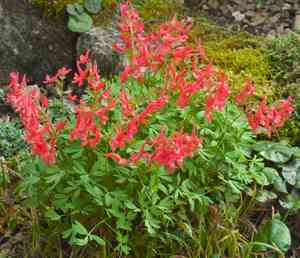
Bird in a bush can be reproduced by planting its seeds. After gathering them from established specimens, the seeds ought to be planted in soil that drains effectively, enriched with compost, making sure they are not covered excessively deep. To achieve successful growth of seedlings, keep the soil uniformly damp without oversaturation, and offer a protected location to shield the nascent plants from severe weather. Careful handling is essential during relocation because the fragile roots of bird in a bush are susceptible to disruption.
Optimal Time for Bird In A Bush Propagation
Propagation Method
Seeding
Propagation Period
Spring
Tools for Bird In A Bush Propagation
Seed trays or pots
Specifically used for planting the small seeds of bird in a bush. These containers offer a controlled setting crucial for germination. Filling them with well-draining, fertile soil mixed with sand encourages healthy root growth. Clear covers can be added to maintain humidity, a key factor for successful bird in a bush seed germination.
Fine mist spray bottle
Essential for gently watering bird in a bush seeds. The fine mist ensures the soil is moist but not waterlogged, which is vital to prevent seeds from washing away or being buried too deep. Consistent moisture, provided by the mist, promotes even germination without disturbing seed placement.
Tweezers
Helpful for precisely handling the tiny seeds of bird in a bush during planting. Tweezers assist in accurately placing each seed in the soil, avoiding excessive depth that could impede germination. Accurate seed placement improves space efficiency and germination rates.
Labeling sticks and marker
Important for noting details like planting date and seed type, especially when propagating multiple plants. Proper labeling prevents confusion and helps track bird in a bush's growth and care needs during the critical germination phase.
How to Propagate Bird In A Bush
Propagation Type
Simple
Caring for Your Newly Propagated Bird In A Bush
Caring for Your Newly Propagated Bird In A Bush
After propagation, continue to cultivate bird in a bush in cooler, partly shaded conditions to replicate its natural woodland habitat. The soil should remain damp but drain well. Minimal feeding is necessary; a light application of a balanced, slow-release fertilizer in early spring can be beneficial. Protect young plants from extreme temperatures and ensure they are not overshadowed by more vigorous nearby plants.
Common Propagation Mistakes to Avoid with Bird In A Bush
Overwatering
Excessive moisture can lead to root rot and fungal diseases, especially since bird in a bush prefers well-drained soil.
Deep planting
Planting the tubers too deeply can hinder sprouting. Bird in a bush tubers should be positioned just beneath the surface for successful growth.
Overcrowding
Placing tubers too close together can result in competition for nutrients and space, impeding proper development of bird in a bush.
Ignoring soil condition
Failing to prepare loose and fertile soil can restrict root expansion and nutrient uptake, which is crucial for bird in a bush's growth.
Tips for Propagating Bird In A Bush
Gentle handling
Handle the tubers with care to prevent damage. Damaged tubers may not sprout or could be more prone to disease.
Adequate spacing
Space the tubers correctly, as advised for bird in a bush, to ensure each has sufficient room to grow without competition.
Moisture management
Maintain a balanced soil moisture level, as bird in a bush's tubers require moist but well-draining conditions to thrive without rotting.
Soil enrichment
Before planting, enrich the soil with organic matter to create the fertile environment that bird in a bush needs for optimal growth.



