How to Propagate Brown dogwood?
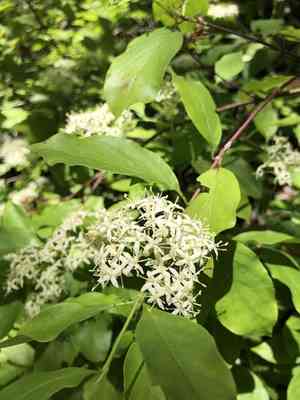
Brown dogwood flourishes optimally in damp, adequately drained earth. For propagation via seeding, gather newly harvested seeds and immerse them in water for a full day to boost sprouting. Place the seeds in a ready seedbed that receives plenty of sunlight. Consistent irrigation ensures the soil remains uniformly moist without becoming saturated. Applying a layer of mulch aids in preserving soil humidity and inhibiting weed proliferation, fostering robust development. Perseverance is crucial, as seed germination and establishment may require a period of time.
What Is the Best Time To Propagate Brown Dogwood?
Propagation Type
Sowing
Propagation Season
Spring
What Tools Are Used in Brown Dogwood Propagation?
Seed Tray
Seed trays offer a controlled setting for planting seeds. They enable precise spacing and depth management, which is crucial for preventing overcrowding and ensuring each seed gets sufficient resources.
Seed Compost
Employing a quality seed compost guarantees that brown dogwood seeds receive vital nutrients and appropriate moisture retention, fostering an ideal environment for germination.
Heating Mat
A heating mat positioned beneath the seed tray can deliver steady warmth, which is especially beneficial for seeds needing a stable temperature for successful germination.
Humidity Dome
A humidity dome placed over the seed tray helps maintain high humidity levels, which is essential for preventing seed desiccation and promoting a quick and even germination process.
Label Stakes
Label stakes allow gardeners to clearly mark and identify rows of seedlings, ensuring proper tracking of growth stages and any necessary interventions.
How to Propagate Brown Dogwood?
Propagation Type
Easy
How to Care for Your Newly Propagated Brown Dogwood?
How to Care for Your Newly Propagated Brown Dogwood?
Once brown dogwood seedlings have developed a few sets of true leaves, they can be moved to individual pots. Gradually introduce them to outdoor conditions before planting them in their permanent spots. Water regularly, especially during dry spells, and mulch around the base to retain soil moisture. Prune as needed to maintain shape and encourage healthy growth.
Common Mistakes to Avoid When Propagating Brown Dogwood
Overwatering
Excessive watering can lead to root rot, which can ultimately kill brown dogwood. Ensuring the soil is well-drained is crucial.
Underwatering
Failing to provide enough moisture can stress the plant and hinder root development, impacting the success of propagation.
Improper cutting technique
Taking cuttings incorrectly, such as using dull tools or making uneven cuts, can damage the stems and reduce the chances of successful rooting.
Using inappropriate soil
Using heavy, compacted, or poorly draining soil can suffocate the roots and prevent the cuttings from establishing.
Lack of temperature control
Exposing the cuttings to extreme temperatures can either dry them out too quickly or cause them to rot, hindering propagation efforts.
Tips For Propagating Brown Dogwood
Use well-draining soil
Opt for a sandy or loamy soil mix to ensure proper drainage and aeration for the cuttings.
Keep cuttings moist but not waterlogged
Maintain consistent moisture levels in the soil without overwatering to prevent root rot.
Use sharp and clean tools
Ensure tools are sanitized and sharp to make clean cuts, which reduce the risk of infection and promote healthier growth.
Provide consistent humidity
Cover the cuttings with a plastic dome or place them in a humidity-controlled environment to retain moisture and support rooting.
Monitor temperature
Keep the cuttings in a stable environment with moderate temperatures, avoiding extreme heat or cold to facilitate healthy root development.



