How to Propagate Roughleaf dogwood?
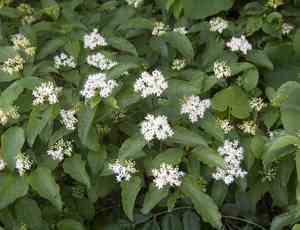
Roughleaf dogwood can be multiplied during the fall and winter seasons through the use of hardwood cuttings, air layering, or by planting seeds. The ease of propagation for this species is minimal, and indicators of successful multiplication involve the emergence of fresh roots and new stems. Recommendations for effective propagation encompass the application of a rooting stimulant and ensuring sufficient hydration.
When Is the Optimal Time to Propagate Roughleaf Dogwood?
Propagation Type
Cutting
Propagation Season
Fall,Winter
What Equipment Is Used for Roughleaf Dogwood Propagation?
Sharp pruning shears or scissors
These are crucial for taking roughleaf dogwood cuttings cleanly and precisely. A keen blade prevents crushing or damaging the cuttings, which could impede rooting and invite disease.
Rooting hormone
This encourages root formation and boosts the likelihood of successful propagation by stimulating new root growth. It's especially important for roughleaf dogwood, which can sometimes be difficult to root.
Sterilizing agent (e.g., alcohol or bleach solution)
This is used to sanitize cutting tools before and after use, preventing disease spread. Clean tools are vital for maintaining the health and viability of roughleaf dogwood cuttings.
Potting mix or soilless medium
A light and well-draining medium is necessary for rooting roughleaf dogwood cuttings. It allows for proper air circulation and moisture retention, fostering healthy root development without risking waterlogging and root rot.
Propagation tray or pots
These containers hold the medium where roughleaf dogwood cuttings are planted. They should have drainage holes to prevent excessive water retention and promote root health.
Plastic cover or propagation dome
Maintaining a high humidity environment is essential for the survival of roughleaf dogwood cuttings, particularly to prevent them from drying out before roots establish. A plastic cover helps create such an environment, mimicking greenhouse conditions.
Heat mat (optional)
This tool can be especially beneficial for enhancing root development in roughleaf dogwood cuttings by providing consistent warmth from below. A steady temperature can improve rooting success, especially during cooler propagation periods.
Misting bottle or system
Gentle misting keeps humidity high and roughleaf dogwood cuttings moist without overwatering, which is key to encouraging root formation without causing rot or fungal diseases.
How to Nurture Your Newly Propagated Roughleaf Dogwood?
How to Nurture Your Newly Propagated Roughleaf Dogwood?
Once the roughleaf dogwood cutting has developed a strong root system, gradually acclimate the young plant to less humid conditions by removing the plastic covering. Transplant it to a larger container or its permanent growing spot, ensuring it's in well-drained soil with partial to full sun exposure. Maintain soil moisture and apply mulch to retain water and suppress weeds. Prune annually to encourage bushy growth and improve air circulation.
Common Errors to Avoid When Propagating Roughleaf Dogwood
Ignoring soil ph
Soil with incorrect pH levels can impede roughleaf dogwood's root development and nutrient absorption, leading to stunted growth or rooting failure.
Overwatering
Excessive water can lead to root rot and fungal diseases, which are detrimental to roughleaf dogwood's health and can hinder successful propagation.
Deep planting
Burying roughleaf dogwood's cuttings or seeds too deeply can reduce oxygen availability and obstruct sprouting or rooting.
Neglecting humidity
Low humidity levels may cause roughleaf dogwood's cuttings to dry out before they can establish roots, decreasing the chances of successful propagation.
Advice For Propagating Roughleaf Dogwood
Semi-hardwood cuttings
Utilize semi-hardwood cuttings from roughleaf dogwood for higher rooting success rates, as they are more mature and stable.
Soil preparation
Ensure the soil is well-draining and slightly acidic to match roughleaf dogwood's natural preferences for optimal rooting conditions.
Moisture control
Maintain consistent but moderate moisture levels in the soil to support roughleaf dogwood's cuttings without causing waterlogging.
Rooting hormone
Applying a rooting hormone to roughleaf dogwood's cuttings can stimulate root growth and improve the overall success rate of propagation.



